Cairo's Small Business Owners Brace for Headwinds as ...
Rising operational expenses and volatile supply chains are squeezing profit margins across the city's thriving informal and formal SME sectors.
Rising operational expenses and volatile supply chains are squeezing profit margins across the city's thriving informal and formal SME sectors.
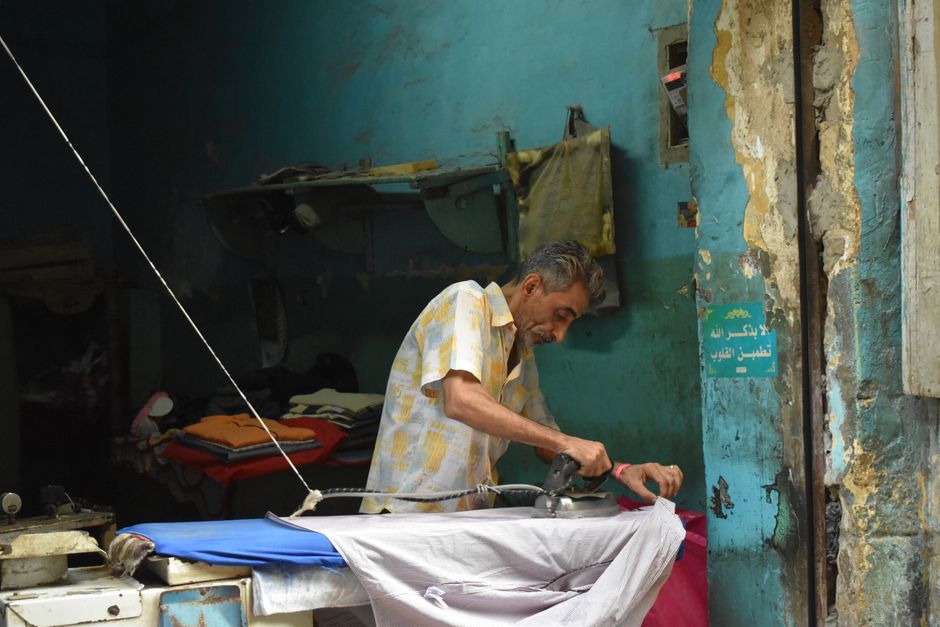
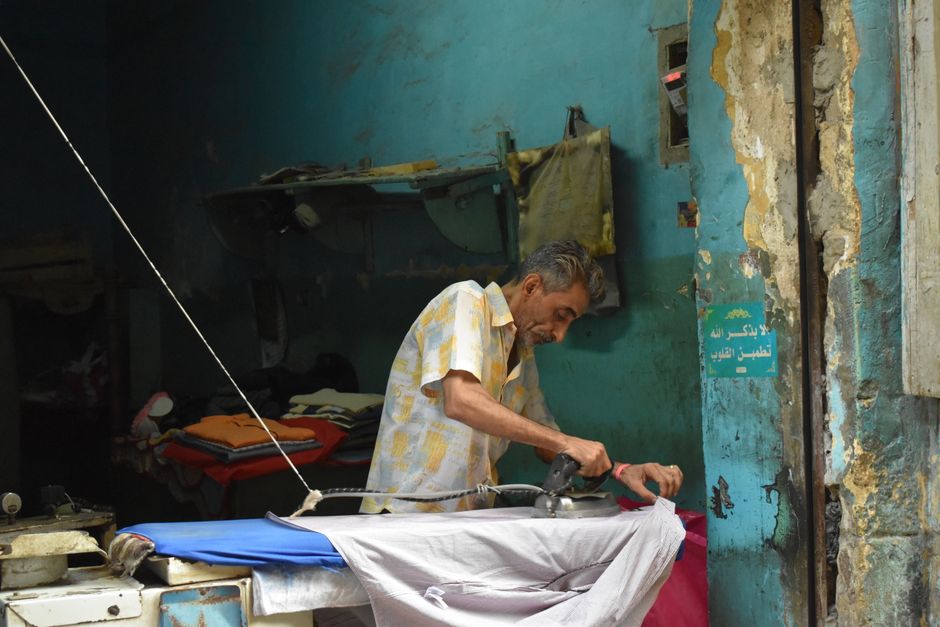
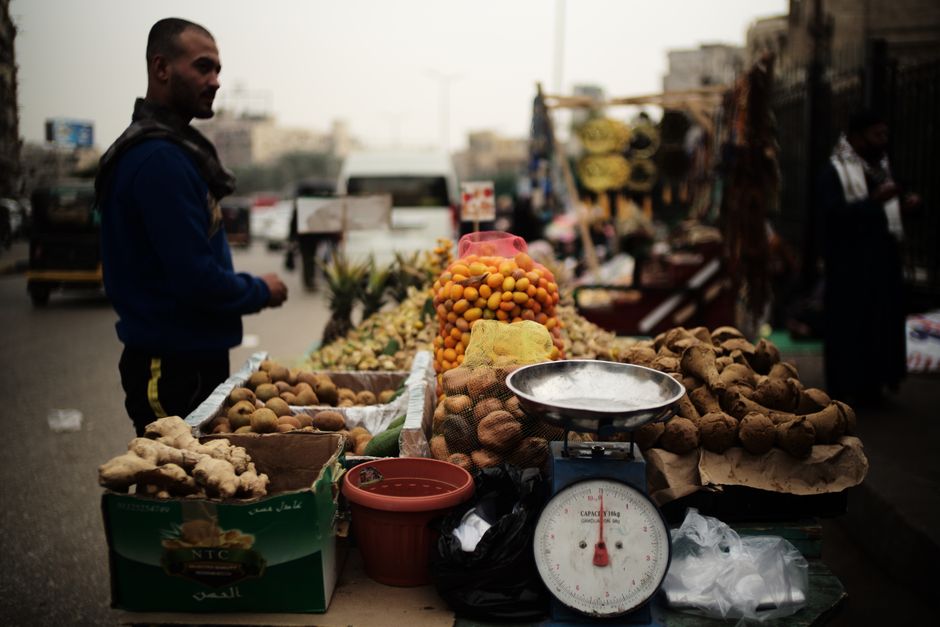
Walk through Khan El-Khalili's textile quarter or the electronics bazaar near Bab El-Sharqi, and the anxiety is palpable. Small business owners who have long been the backbone of Cairo's entrepreneurial ecosystem are facing a confluence of pressures that threaten to reshape the landscape of the city's estimated 2.8 million micro and small enterprises.
Energy costs remain the most immediate challenge. A kilowatt-hour that cost 0.87 Egyptian pounds three years ago now hovers near 1.40 pounds for commercial users—a spike that has forced many workshop owners and retailers to compress operating hours or invest in expensive diesel generators. A furniture manufacturer in Shubra El-Kheima reported his monthly electricity bill has nearly tripled since 2023, consuming margins that once cushioned seasonal downturns.
Currency volatility compounds the problem. Small importers dependent on dollar purchases for stock face unpredictable costs. A shop owner sourcing goods from the Port of Alexandria described the last quarter as "playing roulette"—unable to commit to pricing when the pound fluctuates weekly against hard currencies.
Access to credit remains constrained despite government initiatives. While formal lending rates have eased marginally, many SMEs still lack collateral or formal documentation that banks demand. The alternative—microfinance institutions operating throughout Garden City and Heliopolis—often charge interest rates between 18 and 25 percent annually, pricing out marginal operations.
Supply chain disruptions, triggered by regional instability and global shipping uncertainties, have lengthened delivery cycles. Restaurant owners in Zamalek and Downtown Cairo report food costs rising unpredictably, while manufacturing delays force working capital to sit idle longer than before.
Yet the mood isn't uniformly grim. Digital transformation offers a lifeline. Entrepreneurs increasingly embrace e-commerce platforms and mobile payment systems, which reduce overhead compared to traditional retail. A cosmetics seller in New Cairo built a thriving TikTok-driven business with minimal storefront costs. Online marketplaces have democratized access to customers beyond geographic boundaries.
The Cairo Chamber of Commerce estimates that roughly 40 percent of SMEs have adopted some form of digital sales channel this year—double the figure from 2024. Trade associations are pushing the government for faster implementation of promised tax incentives and cheaper energy tariffs for small manufacturers.
For now, Cairo's business owners are adapting through innovation and community networks rather than waiting for systemic relief. Whether these survival strategies prove sufficient through 2027 will largely depend on how quickly regional stability returns and whether policymakers deliver on pledged support.
This article was compiled by AI and screened before publishing. See our editorial standards.
How does this story make you feel?
Spread the word
About this article
Published by The Daily Cairo
Daily brief
Free, in your inbox before 7am. Weekdays.
More in Business