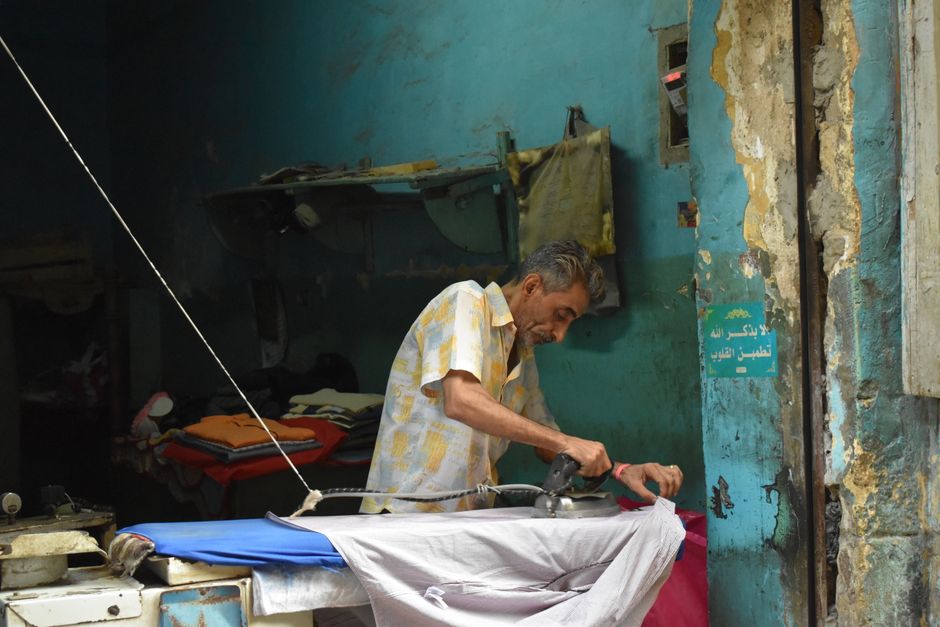
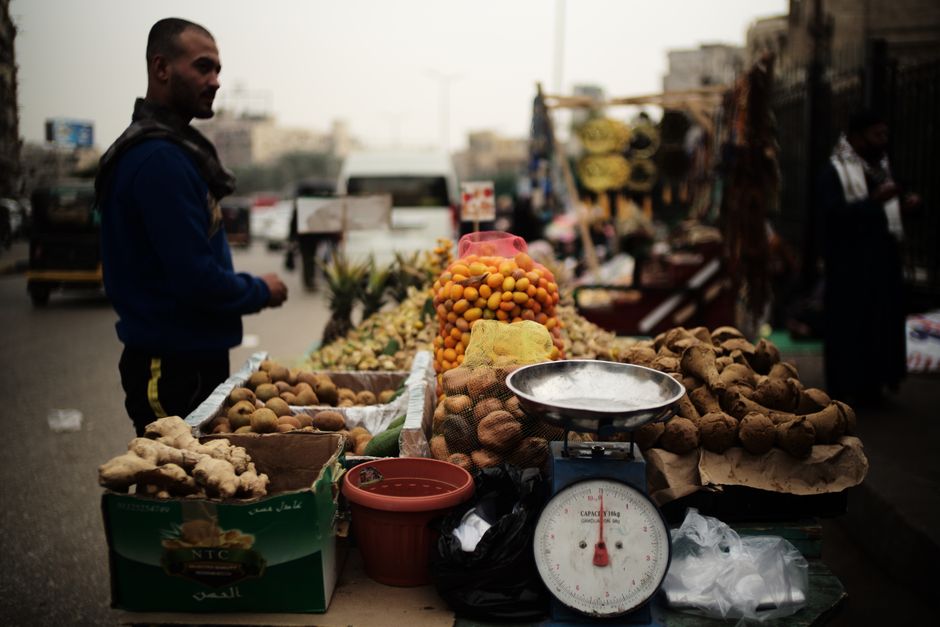
Walk through the gleaming corridors of the Egyptian Exchange on Qasr Al-Nile Street, and you'll sense a palpable shift in sentiment. After years of economic uncertainty, investment flows into Egypt have accelerated noticeably through 2026, signalling renewed confidence among institutional investors. Yet for shoppers navigating the souqs of Khan El-Khalili or calculating household budgets in Garden City apartments, the reality feels more complicated.
The key to understanding Cairo's current economic moment lies in three interconnected indicators. First, foreign direct investment (FDI) has rebounded sharply, with Suez Canal revenues and Suez Economic and Trade Cooperation Zone projects attracting multinational capital at rates not seen since 2019. Manufacturing corridors in the New Administrative Capital continue absorbing billions in committed funding. Second, the Central Bank of Egypt's inflation metrics, while moderating from double-digit peaks, remain elevated at levels that directly erode purchasing power—particularly for basic goods in neighbourhood markets from Helwan to Nasr City.
What explains this apparent paradox? Investment flows and consumer inflation operate on different timescales. When foreign investors commit capital to long-term infrastructure or manufacturing—whether in telecommunications, renewable energy, or automotive assembly—they're betting on Egypt's structural potential. Inflation, meanwhile, reflects immediate supply-chain realities, currency fluctuations, and energy costs that hit Cairo's working families monthly.
For the average resident, this dynamic manifests visibly. A taxi ride in Maadi costs measurably more than two years ago; bread prices at local bakeries near Tahrir Square remain volatile; rent in sought-after areas like Zamalek has climbed steadily. Yet simultaneously, job creation in finance and technology sectors—many tied to these incoming investments—has created new middle-class positions, particularly around the CBD developments near the Nile.
The government's economic strategy hinges on the belief that today's investment inflows will eventually translate into productivity gains, job creation, and lower inflation. Historical data from prior investment cycles suggests this mechanism works—but over years, not quarters. Investors monitoring the Egyptian Exchange track these indicators religiously: FDI commitments, CB inflation reports, currency stability, and real wage trends.
For Cairo's 21 million residents, the message is mixed. The investment signals suggest medium-term economic strengthening. But short-term cost pressures remain real. Understanding this distinction—between headline investment optimism and lived economic experience—is essential for anyone making financial decisions in Egypt's capital today.
This article was compiled by AI and screened before publishing. See our editorial standards.