Cairo's tourism sector is experiencing a sharp rebound, with visitor arrivals climbing 28 per cent year-on-year through the first half of 2026. But the rapid expansion is creating unexpected strain on the local labour market, forcing businesses across hospitality, heritage management, and creative industries to compete aggressively for talent in ways that are fundamentally reshaping how young Cairenes view their career prospects.
The shift is most visible in Garden City and Zamalek, where boutique hotels, restored heritage properties, and new cultural venues have emerged as major employers. Premium positions in hotel management, tour coordination, and cultural heritage interpretation now command salaries 35-40 per cent higher than they did three years ago, according to local recruitment specialists. Entry-level front-of-house roles in five-star properties along the Nile corridor are increasingly difficult to fill, with many hospitality groups reporting 15-20 per cent vacancy rates.
The pressure extends beyond traditional tourism roles. Digital agencies specializing in heritage content creation, virtual tours, and multilingual social media management are recruiting aggressively from Cairo's tech community. Firms working on Pharaonic storytelling platforms and archaeological documentation projects are offering competitive packages that rival finance and tech startups—a significant shift for a sector long regarded as lower-paying.
Mohamed Khalil, director of the Cairo Tourism and Hospitality Association, observes that employers are investing heavily in on-the-job training programmes to address skill gaps. "We're no longer waiting for graduates to arrive fully formed," he notes. "Hotels are running their own intensive courses in customer service, language instruction, and cultural interpretation." Universities including AUC and Helwan are responding by expanding tourism and hospitality curricula, though many academics argue they cannot keep pace with demand.
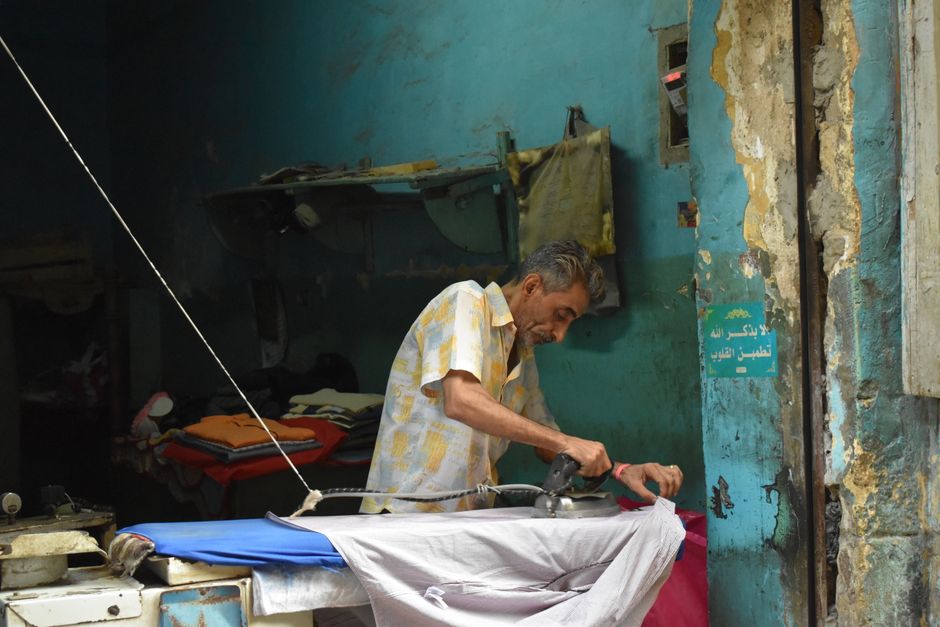
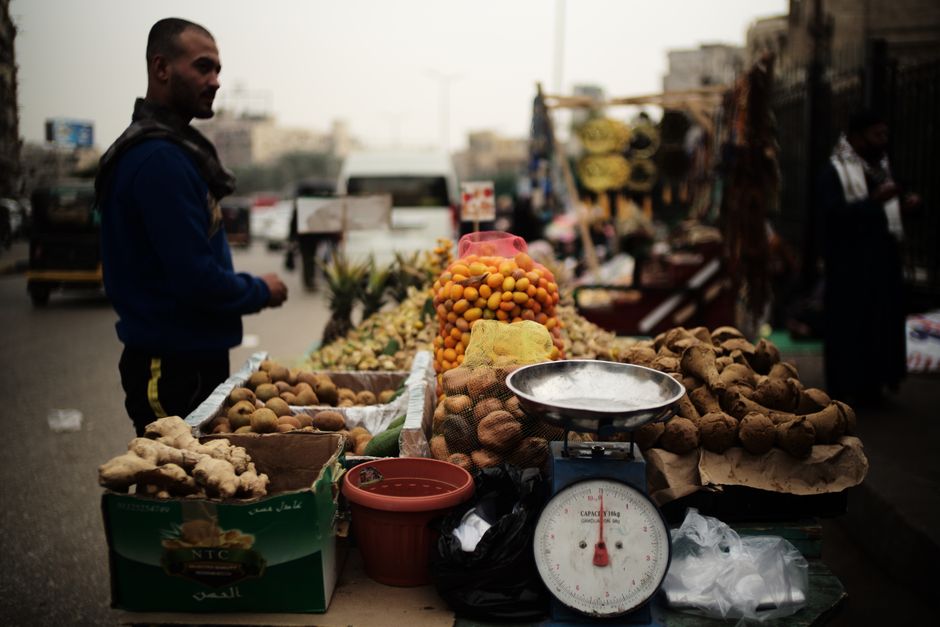
The economic impact is mixed. Higher wages benefit workers entering the sector, particularly women, who now comprise nearly 45 per cent of new hospitality hires—up from 28 per cent a decade ago. Yet small family-run businesses in Khan el-Khalili and Islamic Cairo report struggling to retain staff to larger corporate employers offering superior benefits.
Meanwhile, neighbourhoods like Maadi and New Cairo are seeing property rental increases tied directly to workforce concentration in tourism-related roles. Landlords are explicitly marketing apartments to hospitality professionals, creating a secondary economic stimulus that extends beyond the sector itself.
Industry analysts project this talent competition will intensify. If visitor numbers continue climbing toward pre-pandemic peaks, Cairo's labour market will face a genuine skills bottleneck—forcing a reckoning with how the city trains, compensates, and retains workers in its fastest-growing economic sector.
This article was compiled by AI and screened before publishing. See our editorial standards.