Cairo's Office Market Awakens: Premium Districts See 15% Surge as Global Firms Rush Back
New Gardens and Downtown corridors attract major corporate relocations, with early movers securing prime real estate at rates not seen since 2019.
New Gardens and Downtown corridors attract major corporate relocations, with early movers securing prime real estate at rates not seen since 2019.
Cairo's commercial property market is experiencing a decisive shift. After years of cautious consolidation, institutional investors and multinational corporations are now competing aggressively for office space in the city's most desirable corridors, reshaping the capital's business geography and creating significant opportunities for those positioned to capitalise.
The evidence is unmistakable. Prime office space in New Cairo's administrative and business zones—particularly along the Ring Road and within developments like the New Administrative Capital's satellite offices—has appreciated by approximately 15 per cent over the past eighteen months, according to data tracked by local commercial real estate monitors. Rental rates for Grade-A offices in Fifth Settlement now command 3,500 to 4,200 Egyptian pounds per square metre annually, a sharp recovery from pandemic-era discounts.
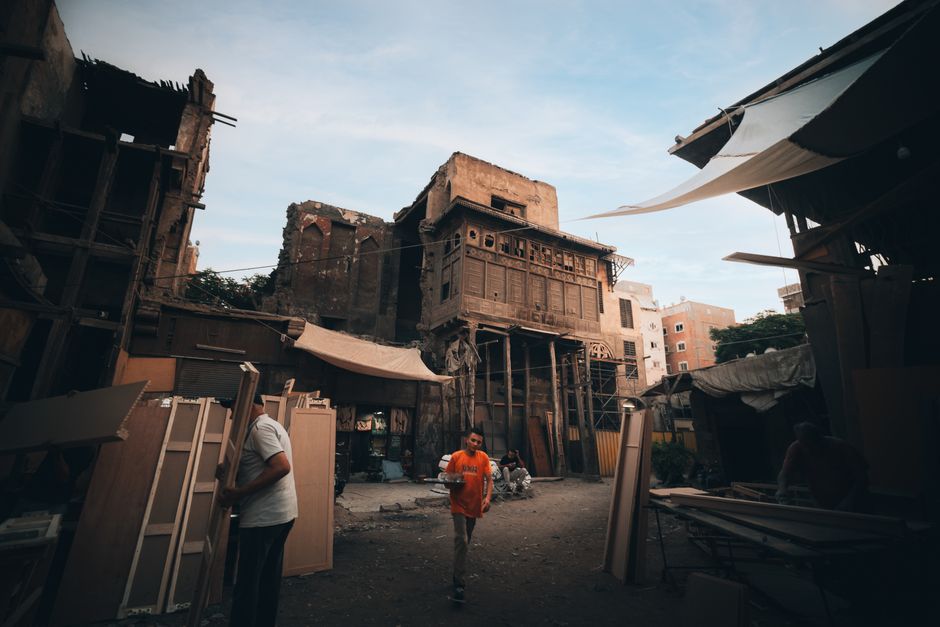
But the action extends beyond New Cairo. Downtown Cairo, long dismissed as a legacy business district, is experiencing unexpected renaissance. Property owners along Talaat Harb Street and within converted heritage buildings near the Egyptian Museum have attracted boutique financial services firms, tech startups, and creative agencies seeking authentic character at lower entry costs than new towers. Several international consultancies have recently signed leases for restored colonial-era properties, signalling confidence in the area's cultural and commercial revival.
The beneficiaries so far are clear. Established property management firms with long-term institutional relationships—those controlling portfolios across Heliopolis, Maadi, and the emerging business parks near the airport—are capturing premium tenant demand. Real estate investment trusts focused on Egyptian assets have expanded their offerings, attracting regional capital from the Gulf. Simultaneously, smaller independent landlords holding quality properties in undervalued neighbourhoods like Garden City and Zamalek are discovering unexpected interest from companies downsizing from oversized campuses.
Driving this momentum are tangible shifts: international companies establishing regional headquarters, pharmaceutical firms consolidating Egyptian operations, and tech firms building engineering centres to access Cairo's talent pool. Post-pandemic work-from-home policies have stabilised, creating renewed demand for collaborative office environments rather than sprawling campuses.
The market window remains open but competitive. Institutional-grade properties in prime locations are being absorbed quickly. The opportunity now exists for mid-market investors willing to acquire or renovate quality properties in secondary locations—areas like Helwan's emerging industrial zones and portions of Nasr City undergoing revitalisation—ahead of broader market recognition.
For Cairo's business community, this moment represents a genuine inflection point: the opportunity to access quality workspace at historically favourable terms, but only for those moving decisively in the coming months.
This article was compiled by AI and screened before publishing. See our editorial standards.
How does this story make you feel?
Spread the word
About this article
Published by The Daily Cairo
Daily brief
Free, in your inbox before 7am. Weekdays.
More in Business