Why Cairo's Office Boom Matters to Your Rent, Your Commute, and Your City
As commercial property transforms neighbourhoods from Heliopolis to New Cairo, here's what everyday residents need to know about how these shifts affect their lives.
As commercial property transforms neighbourhoods from Heliopolis to New Cairo, here's what everyday residents need to know about how these shifts affect their lives.
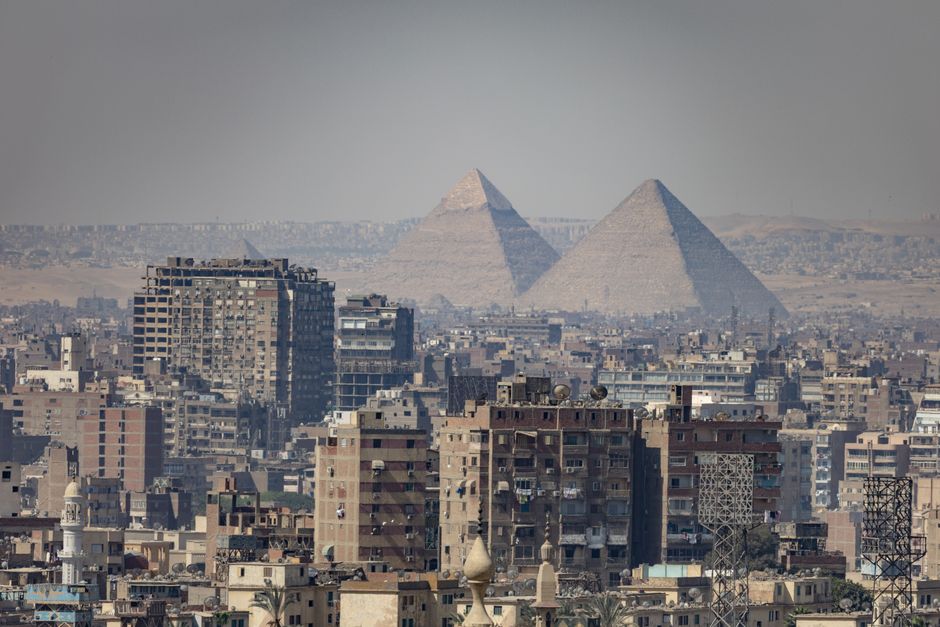
Cairo's commercial property market is reshaping the city at a pace most residents barely notice—until they do. Whether you're renting an apartment, commuting to work, or simply buying coffee in your neighbourhood, the office and retail boom sweeping through Cairo's business districts has tangible consequences for how you live.
The shift is most visible in New Cairo and the Fifth Settlement, where gleaming office towers have multiplied over the past three years. Commercial rents in these zones have climbed 25-30 percent since 2023, according to local property analysts tracking the market. That matters because developers recoup these costs somewhere: typically through higher residential rents in surrounding areas. If you're considering moving to a flat near the American University in Cairo campus or along the Ring Road, landlords are already pricing in the nearby commercial demand.
Downtown Cairo and Garden City tell a different story. Historic commercial districts are experiencing what industry observers call "selective revitalisation." Several multinational firms have relocated from aging office buildings on Qasr El Nile Street to newer complexes in the New Administrative Capital corridor. This has left pockets of vacant commercial space in older neighbourhoods, which some developers are converting into residential units or mixed-use projects. The result: younger professionals are increasingly choosing areas like Maadi and Zamalek, where the blend of established infrastructure and new commercial activity creates a convenient live-work proximity.
Your commute is shifting too. Traffic patterns have fundamentally changed as major employers consolidate in New Cairo and the business parks around the Nile City Towers zone. The daily gridlock that once paralysed Nasr City during rush hours has partly dispersed, though new bottlenecks have emerged along the Cairo-Suez Road. Public transport planners are responding—the metro expansion and bus rapid transit corridors are being prioritised based on where these office clusters have landed.
Perhaps most crucially for everyday residents: the competition for office space is driving up property costs across the board. Even if you have no interest in commercial real estate, you're affected. Landlords holding residential properties in walkable, business-friendly areas are seeing their asset values increase, which eventually translates to higher rents or property sale prices.
For renters and homebuyers, the lesson is straightforward: understand where Cairo's commercial centre of gravity is shifting. Neighbourhoods proximate to major office developments may experience faster rent growth but better services and infrastructure. Those farther out may offer stability but fewer amenities and longer commutes. The office market, invisible to many, is quietly rewriting the rules of residential Cairo.
This article was compiled by AI and screened before publishing. See our editorial standards.
How does this story make you feel?
Spread the word
About this article
Published by The Daily Cairo
Daily brief
Free, in your inbox before 7am. Weekdays.
More in Business