Cairo's employment picture is undergoing a subtle but significant transformation, according to the latest economic indicators tracking investment flows into the capital. Understanding these signals matters enormously for anyone navigating the job market or planning business expansion in Egypt's largest economic hub.
The headline figures paint an encouraging picture. Foreign direct investment into Egypt's financial and technology sectors rose 23 percent year-on-year through the first quarter of 2026, with Cairo accounting for roughly 70 percent of that inflow. Much of this capital is concentrating in downtown Cairo's newly revitalised business districts and around the Nasr City technology park, where multinational firms have established regional hubs. This translates directly into job creation—particularly in software development, financial services, and business process outsourcing.
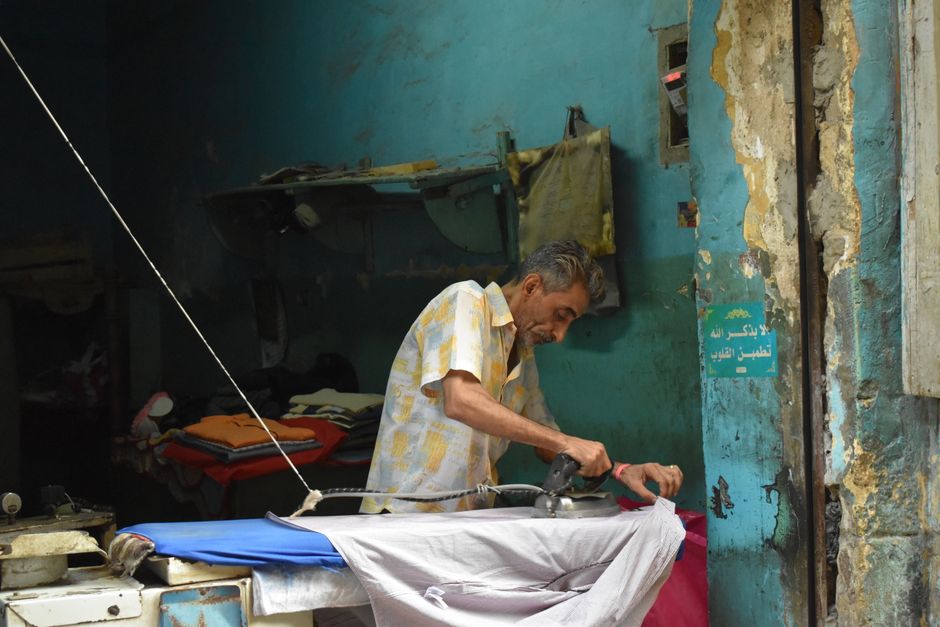
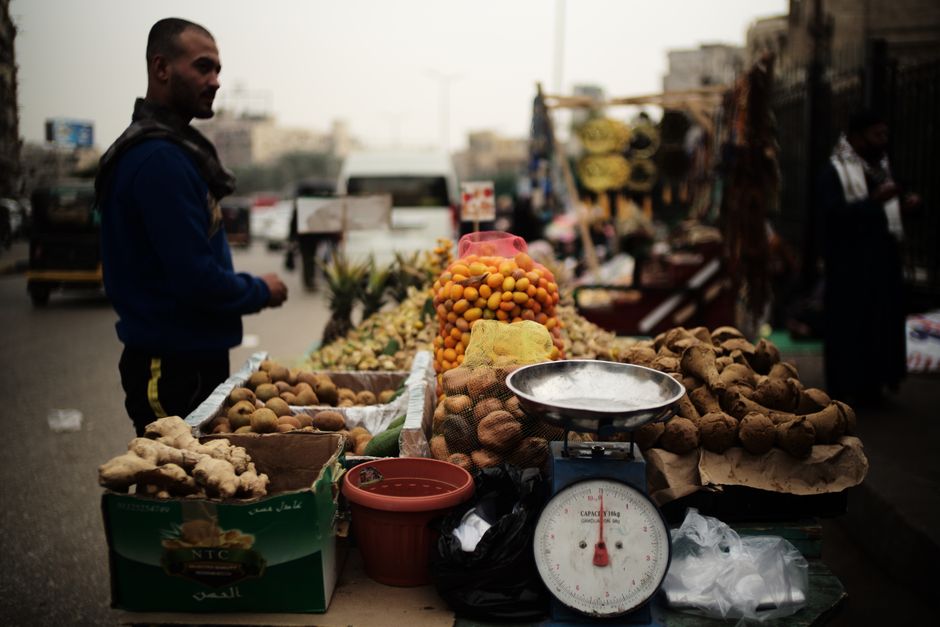
Yet the data reveals important nuances. While high-skill positions in fintech and digital services are proliferating, traditional manufacturing employment in older industrial zones west of Helwan continues contracting. This sectoral shift means the labour market increasingly rewards specialised technical training over general experience. Salaries for mid-level software engineers in New Cairo now range from 18,000 to 28,000 EGP monthly—a 15 percent increase from 2024—while entry-level administrative roles have flatlined at around 6,000 to 8,000 EGP.
Investment flows also signal confidence in Egypt's economic reforms. The Egyptian Central Bank's recent interest rate decisions have attracted portfolio investment, strengthening the Egyptian pound and making imported goods costlier. This is reshaping hiring patterns. Companies are investing more heavily in local supply chains and domestic talent rather than importing skilled workers, creating secondary employment opportunities in logistics and supply chain management across Greater Cairo.
Real estate and hospitality sectors tell a different story. Though Cairo's hotel occupancy rates improved modestly to 62 percent in spring 2026, employment in these sectors remains soft. Investment in new hospitality projects has slowed, and several mid-range hotels near Tahrir Square have restructured operations, reducing headcount by an estimated 15 percent.
For jobseekers, the lesson is clear: positioning yourself in technology, finance, or emerging green energy sectors—where investment is flowing—offers better prospects than traditional service industries. The capital's economic momentum is real, but it's selective. Those tracking investment trends gain a crucial advantage in understanding where tomorrow's opportunities will emerge.
This article was compiled by AI and screened before publishing. See our editorial standards.