Why Your Grocery Bill and Phone Plan Matter to Global Trade Wars
As geopolitical tensions reshape supply chains, Cairenes are beginning to feel the real cost of international disputes in their daily lives.
As geopolitical tensions reshape supply chains, Cairenes are beginning to feel the real cost of international disputes in their daily lives.
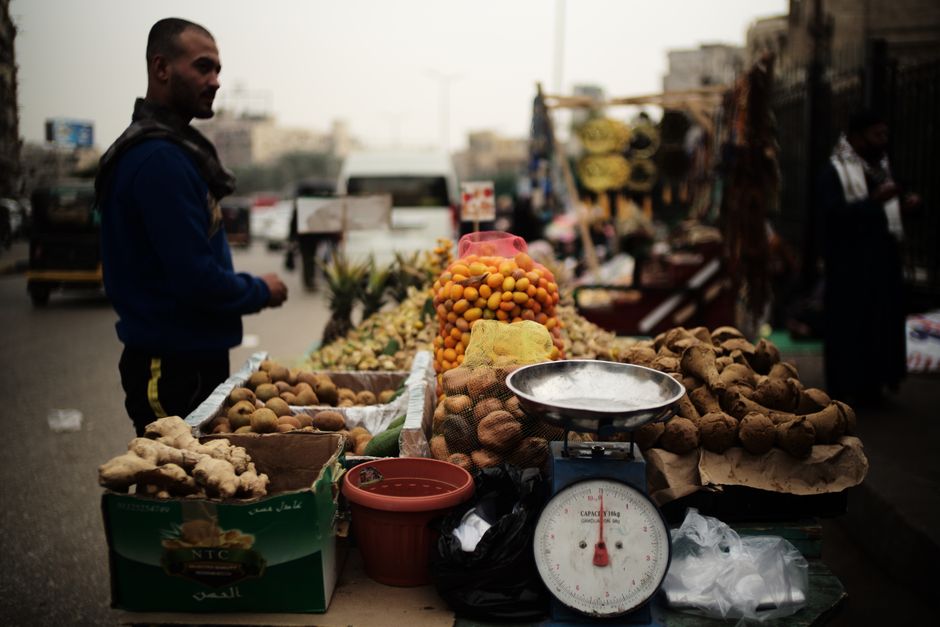
Walk through Carrefour on the Corniche or browse the electronics shops along Talaat Harb Street, and you'll notice something quietly unsettling: price tags are climbing faster than the Nile during flood season. The culprit isn't local inflation alone—it's the invisible hand of global trade tensions reshuffling the world economy, and Cairo's residents are caught in the crossfire.
Over the past eighteen months, international supply chain disruptions have created a ripple effect that touches every aspect of daily life in Egypt's capital. Electronics imported through the Suez Canal—a corridor handling roughly 12 percent of global maritime trade—now carry unexpected tariffs. Smartphone prices, which hovered around 8,000 to 12,000 EGP for mid-range models last year, have jumped 15 to 20 percent at retailers near Tahrir Square and Heliopolis. Cooking oil, a staple on every Cairene family's table, reflects volatile pricing as geopolitical disputes disrupt agricultural exports from Eastern Europe and Central Asia.
The Suez Canal Authority collects nearly $7 billion annually in transit fees, money that theoretically supports Egypt's economy. Yet when shipping routes face uncertainty—whether from regional tensions or retaliatory trade measures—cargo volumes fluctuate unpredictably. Insurance costs spike. Those expenses don't disappear; they flow downstream to the consumer standing in supermarkets across Nasr City and Garden City.
For small business owners operating from Downtown Cairo's cramped commercial quarters, the stakes are even higher. A café owner sourcing specialty coffee beans now faces longer lead times and higher import duties. A clothing retailer purchasing textiles from Asia must navigate tariff regimes that shift monthly. These aren't abstract policy discussions—they're the reason a cappuccino at a Mohamed Mahmoud Street café costs 45 EGP instead of 35.
What many Cairenes don't realize is that their purchasing power is directly linked to how smoothly goods move across borders. When the United States, Europe, and Asia engage in trade disputes, when sanctions disrupt traditional supplier relationships, when shipping containers pile up at ports—all of it eventually lands in your shopping basket.
Understanding these connections matters because informed consumers can make smarter choices. Buying local products supports domestic producers less vulnerable to global supply shocks. Timing major purchases around seasonal price fluctuations becomes strategic. Most importantly, recognizing that your grocer's prices reflect international politics helps residents understand why economic literacy matters more than ever in an interconnected world.
Cairo's resilience has always depended on its position as a crossroads. Today, that same geography means understanding global business isn't optional—it's essential to navigating life in Egypt's beating heart.
This article was compiled by AI and screened before publishing. See our editorial standards.
How does this story make you feel?
Spread the word
About this article
Published by The Daily Cairo
Daily brief
Free, in your inbox before 7am. Weekdays.
More in Business