If you've noticed your regular coffee at a café in Heliopolis costs slightly more than last month, or that your favourite shawarma vendor near Tahrir Square has adjusted portion sizes, you're not imagining it. Cairo's retail, hospitality and food sectors are navigating a complex period of adjustment that affects everyday purchasing decisions across the capital.
The pressures are multifaceted. Import costs remain elevated due to global supply chain volatility, pushing up the price of everything from imported dairy products to kitchen equipment that restaurants depend on. Local wholesalers supplying vendors across Downtown Cairo, Garden City, and Zamalek report that their margins have tightened considerably. For consumers, this translates to a roughly 8–12 percent increase in dining-out costs over the past eighteen months, according to informal surveys conducted by hospitality associations.
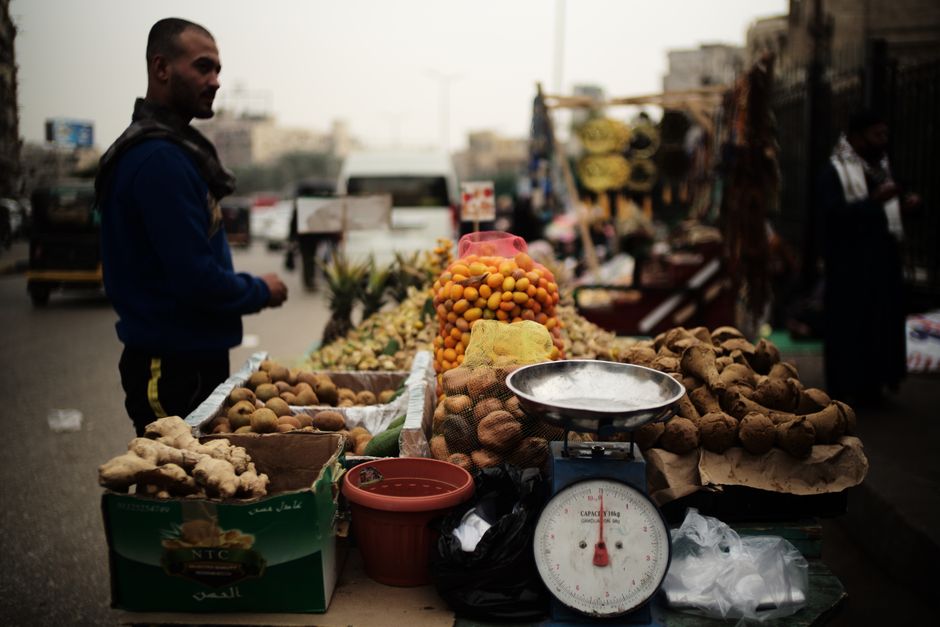
What's particularly notable is the divergence between different market segments. Budget-conscious establishments—the koshari shops and falafel stands that anchor neighbourhoods like Bulaq and Rod El-Farag—have maintained relatively stable pricing, absorbing costs where possible through operational efficiency. Mid-range restaurants and cafés, however, have been forced to pass more of the burden directly to customers. Premium venues in Maadi and New Cairo have adopted different strategies, emphasising loyalty programmes and menu engineering to protect their customer base.
The retail sector tells a similar story. Small grocery stores and supermarkets on Kasr El-Aini Street and throughout Giza report slower foot traffic during off-peak hours, with shoppers increasingly price-conscious and selective. E-commerce platforms have captured growing market share, particularly for packaged goods, though delivery logistics remain a pain point that many residents still prefer to avoid by shopping in person.
What matters for everyday Cairenes: if you're budget-conscious, shopping during off-peak hours (mid-afternoon, weekdays) often yields better availability of discounted items. Restaurant chains are introducing smaller portion options at lower price points—worth exploring if your usual ordering habits feel stretched. And while inflation is real, competitive pressure means significant variation still exists between venues offering similar products, so comparison shopping remains worthwhile.
Industry observers expect these dynamics to persist through the remainder of 2026. The hospitality sector's ability to stabilise depends partly on whether import costs moderate and partly on whether consumer confidence holds steady. For now, Cairo's food and retail landscape is in a state of measured recalibration—challenging for businesses, but navigable for residents who understand what's driving the changes.
This article was compiled by AI and screened before publishing. See our editorial standards.