Walk into any café along the Nile Corniche these days, and you'll hear conversations about inflation, currency stability, and interest rates—topics that once seemed confined to banking towers in the Financial District. The reason is simple: economic indicators that sound technical actually determine whether a family's monthly budget stretches to month's end.
Foreign direct investment (FDI) flows into Egypt have become the thermometer for understanding cost of living pressures. In the first quarter of 2026, FDI inflows totalled approximately $2.8 billion, according to preliminary Central Bank of Egypt figures—a modest increase from last year but telling a nuanced story about where global capital is moving.
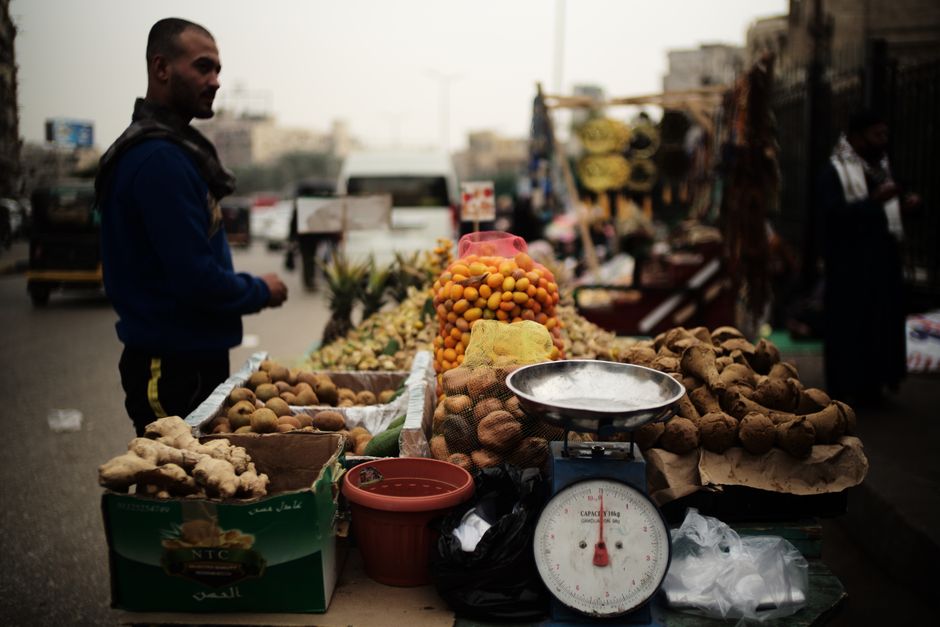
Here's what that means on the ground: when international investors show confidence in Egypt's stability, they funnel money into infrastructure, manufacturing, and technology sectors. This creates jobs and increases competition, which can ease prices for consumers. Conversely, when investment cools, the Egyptian pound weakens against hard currencies like the dollar, making imports more expensive. Anyone buying groceries in the supermarkets around Heliopolis has noticed: imported goods now carry sharper price tags than eighteen months ago.
The most revealing indicator is the composition of investment flows. Tech startups in Cairo's growing innovation hubs—particularly around the American University district and emerging spaces in Nasr City—have attracted $340 million in venture capital so far this year. This is significant. Technology investment typically creates higher-wage jobs, which ripples through the broader economy and strengthens purchasing power for ordinary workers.
Real estate investment tells another story. Capital flowing into Zamalek, Downtown Cairo, and New Cairo's premium developments suggests wealthy foreign investors remain bullish on Egypt's long-term prospects. Yet this same capital can inflate property prices, pushing housing further out of reach for middle-income Cairenes—a tension playing out acutely in neighborhoods like Maadi and Garden City.
The Central Bank's interest rate decisions, set partly in response to FDI trends and inflation data, have profound local effects. Higher rates attract foreign investors seeking returns but make mortgages and business loans costlier for residents. The current benchmark rate of 27.25 percent reflects this balancing act.
Understanding these flows matters because economic indicators aren't abstract—they're the invisible hand steering what families pay for fuel, education, and meals. As Cairo navigates a complex global investment landscape in 2026, residents increasingly recognize that foreign capital decisions made in distant boardrooms ultimately affect the cost of their daily lives.
This article was compiled by AI and screened before publishing. See our editorial standards.