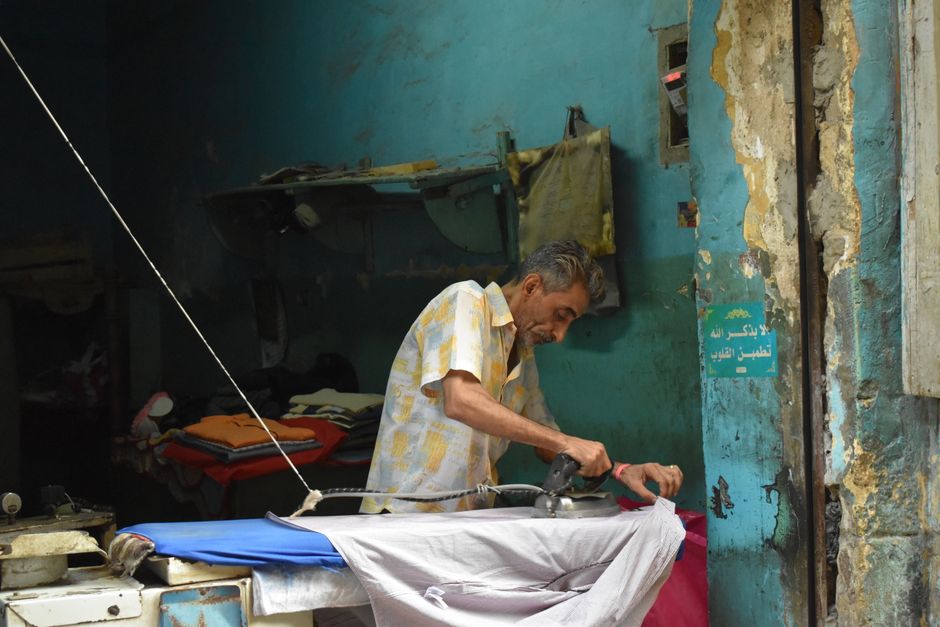
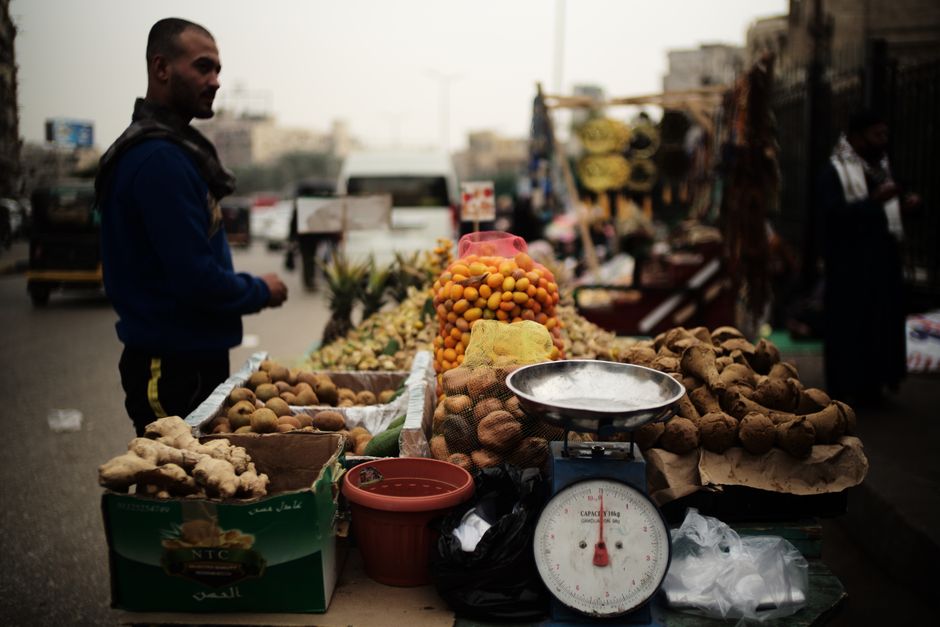
The trading floors of downtown Cairo have grown noticeably quieter in recent months. At the Cairo Chamber of Commerce in Garden City, business leaders speak in hushed tones about supply chain fractures, volatile shipping costs, and the geopolitical roulette wheel that now defines international commerce in 2026.
Egypt's export-dependent sectors—textiles, machinery, agricultural products—are bearing the brunt of a turbulent global landscape. The latest data from the Egyptian Federation of Chambers of Commerce shows that shipping costs have surged 34% since January, with Mediterranean and Red Sea routes facing renewed uncertainty. For manufacturers clustered in the Helwan industrial zone and along the Nasr City manufacturing corridors, these costs translate directly into shrinking profit margins and delayed orders.
"A container that cost us $2,100 to ship to Europe last year now runs $2,850," explains one exporter operating from the Free Zones Authority offices near Heliopolis, requesting anonymity due to competitive sensitivity. "Our clients aren't absorbing these costs. We are."
The broader picture is equally concerning. Regional instability continues to rattle investors and disrupt logistics networks that have served as Egypt's commercial backbone. Meanwhile, currency volatility—the Egyptian pound has fluctuated significantly against major currencies—makes forward planning nearly impossible for traders at the bustling Khan el-Khalili bazaar and formal exporters alike.
International financing, too, has tightened considerably. Banks operating from the New Administrative Capital and traditional financial hubs in Zamalek report that letter-of-credit issuance has slowed, and borrowing costs for trade finance have climbed. Small and medium-sized enterprises, which account for roughly 80% of Egypt's manufacturing exports, are finding themselves squeezed between rising input costs and reduced access to working capital.
Yet there are pockets of resilience. Technology-enabled logistics firms and businesses that diversified their customer base away from traditional European markets are weathering the storm comparatively better. The government's recent trade agreements with African partners show promise, offering an alternative outlet as global trade fractures persist.
For Cairo's merchant community, this mid-year moment represents a critical juncture. Those who can absorb short-term losses while diversifying geographic exposure may emerge stronger. Others face a reckoning. The question haunting boardrooms from Garden City to New Cairo is no longer about growth, but about survival through what many expect to be a prolonged period of global economic turbulence.
This article was compiled by AI and screened before publishing. See our editorial standards.