Cairo's retail and hospitality sector is undergoing a quiet but significant transformation, and everyday residents navigating the city's dining and shopping landscape need to understand what's driving the changes they're already experiencing.
Over the past eighteen months, operating costs across the industry have climbed sharply. Staff wages have increased by an average of 12 to 18 percent, according to informal surveys of venue operators in neighbourhoods like Zamalek, Garden City, and New Cairo's Fifth Settlement. Energy costs—a persistent challenge in the Egyptian hospitality sector—have similarly risen, forcing establishments from casual cafés to mid-range restaurants to reassess their pricing strategies.
The result is visible in menus across the city. A cappuccino in Downtown Cairo's established coffee shops now averages 85 to 120 EGP, compared to 60 to 80 EGP two years ago. A modest lunch at neighbourhood bistros along Talaat Harb Street or around Tahrir Square typically costs between 180 and 280 EGP—a meaningful increase for families managing household budgets. Fine dining establishments in Heliopolis and the Nile-side venues of Zamalek have raised prices proportionally, with multi-course meals climbing into the 500 to 800 EGP range.
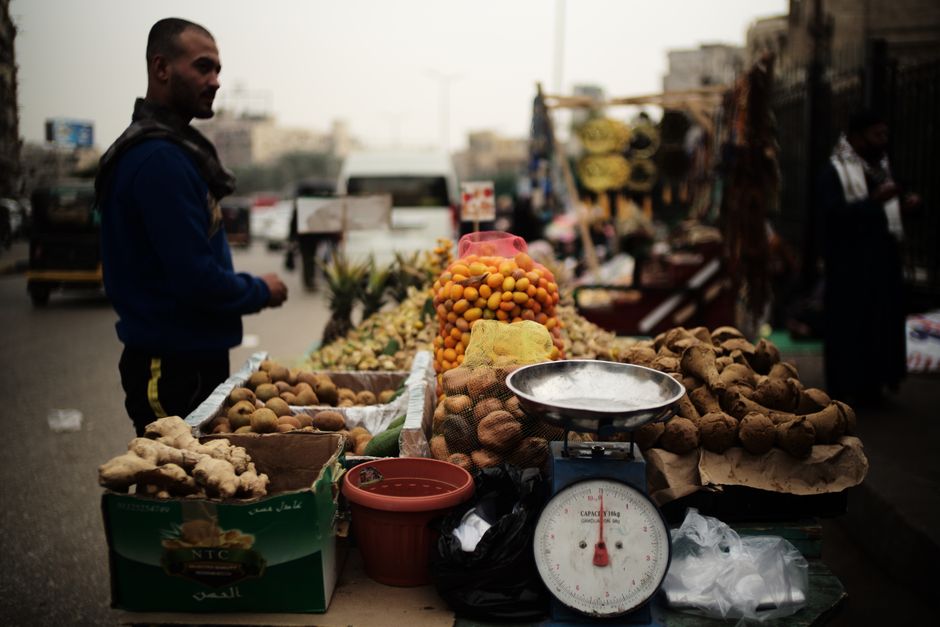
Beyond pricing, the sector is fragmenting. Budget-conscious chains and street-food vendors—koshary stands, falafel shops, and quick-service outlets—are gaining ground as consumers adjust spending habits. Simultaneously, premium venues are doubling down on experience and exclusivity, betting on Cairo's affluent segments. The middle market is being squeezed, forcing some established neighbourhood restaurants to either upgrade their offerings or reposition downmarket.
Retail follows a similar pattern. Clothing and consumer goods shops along Abdel Moneim Riyadh Street and in shopping districts like City Stars are seeing foot traffic patterns shift toward discount retailers and online platforms. Traditional shopkeepers report that transactions are smaller and more deliberate; consumers are browsing longer but buying less frequently.
What does this mean for you? First, expect prices to continue adjusting—particularly in independent establishments with higher fixed costs. Second, be prepared for menu changes; venues are streamlining offerings to control waste and labour costs. Third, loyalty programs and digital ordering are becoming standard, not optional, as venues seek to manage margins.
For residents, the takeaway is clear: the convenience, variety, and affordability that characterized Cairo's hospitality boom five years ago are being recalibrated. Smart shopping and dining now requires more intentionality about where, when, and what you consume.
This article was compiled by AI and screened before publishing. See our editorial standards.