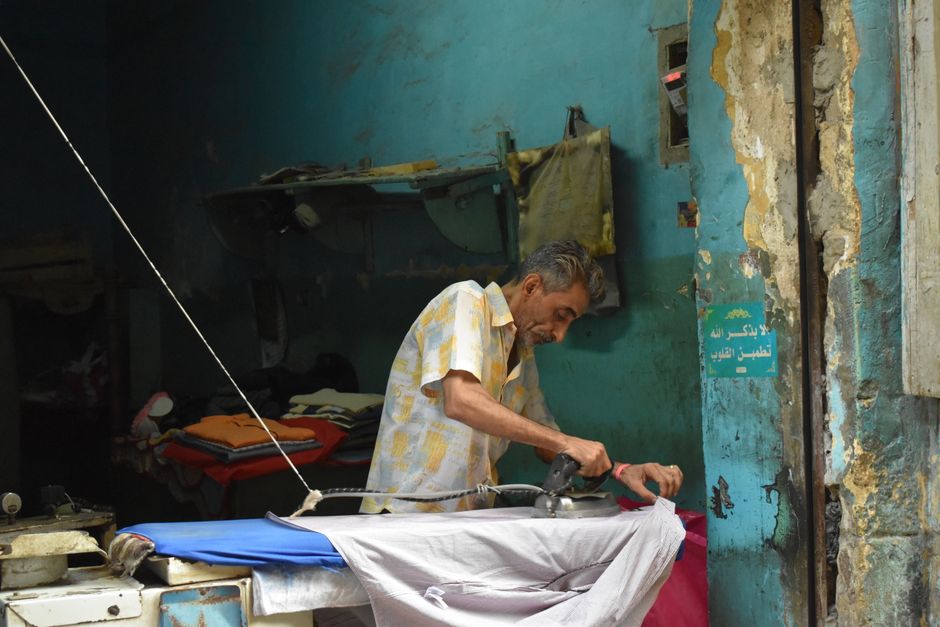
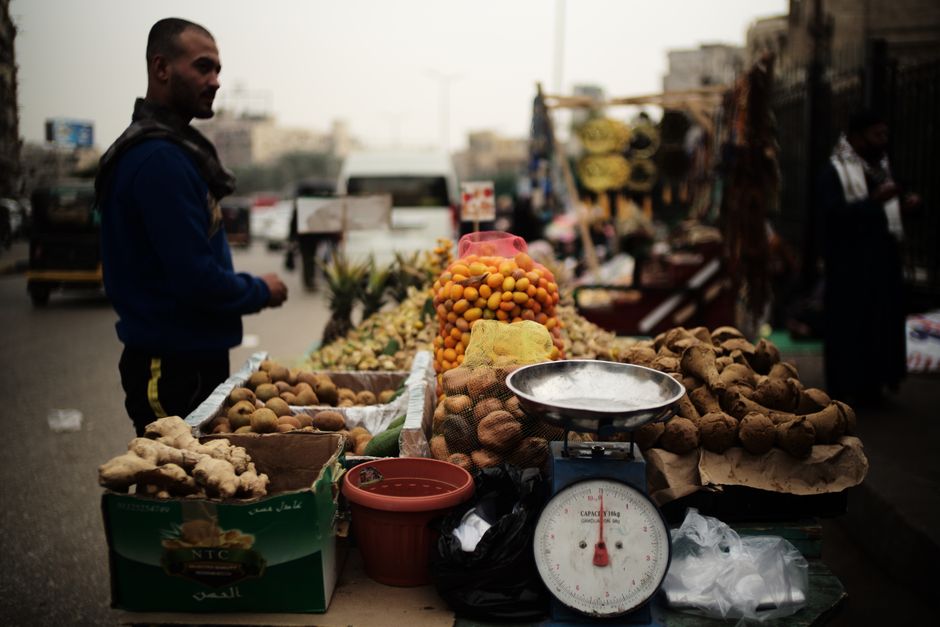
Cairo's Small Business Shift: What Entrepreneurs Must Know About This Year's Market Realities
Rising input costs and changing consumer behaviour are reshaping opportunities across the capital's retail, food, and services sectors.
Rising input costs and changing consumer behaviour are reshaping opportunities across the capital's retail, food, and services sectors.
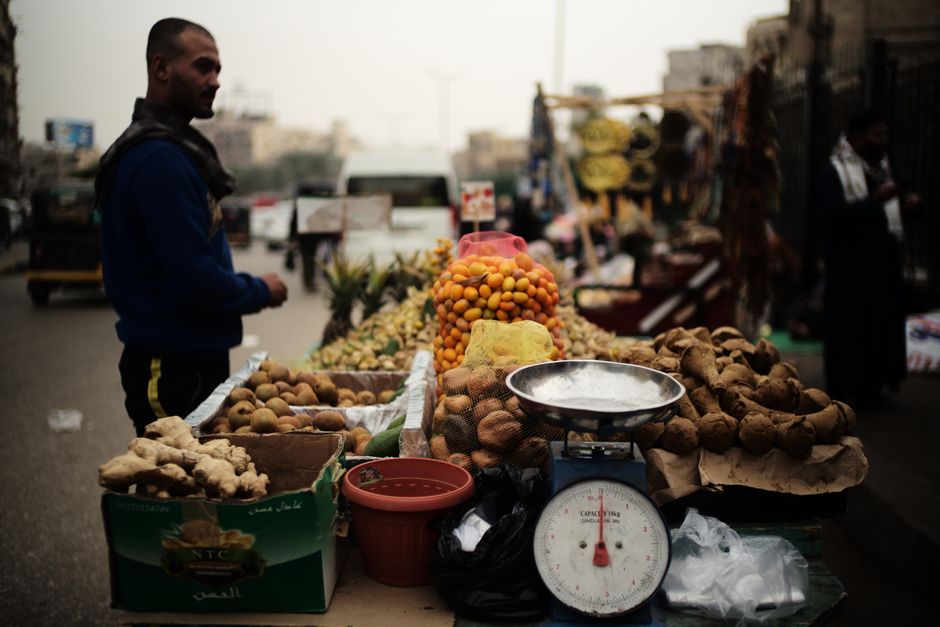
Cairo's small business landscape is undergoing a significant transformation as entrepreneurs navigate inflation, shifting logistics networks, and evolving customer preferences heading into the second half of 2026. For business owners operating across Khan El-Khalili's textile stalls, Downtown Cairo's burgeoning tech startups, and the expanding commercial zones in New Cairo, understanding these currents is essential for survival and growth.
The most pressing reality facing small enterprises remains input cost volatility. Restaurant owners across Zamalek and Heliopolis report that imported ingredients have increased 18-22% year-on-year, forcing difficult decisions about menu pricing and profit margins. Local suppliers in the Nasr City wholesale markets say demand from small retailers remains steady, but buyers are now purchasing smaller quantities more frequently rather than stocking inventory as they did two years ago. This shift demands more nimble supply chain management and closer relationships with distributors.
E-commerce integration is no longer optional. Retail businesses that historically relied on foot traffic—whether in the Citadel district or along Talaat Harb Street—are discovering that customers expect online ordering and delivery options. Logistics startup activity has accelerated, with micro-fulfillment hubs now operating in Maadi and 6th of October City. Small retailers ignoring this shift risk losing market share to more digitally native competitors.
Consumer behaviour is also shifting noticeably. Middle-class shoppers are becoming more price-conscious, favouring value-oriented offerings over premium positioning. This has benefited discount retailers and services emphasising quality-for-money. Simultaneously, there's growing demand from affluent segments in areas like Maadi and New Cairo for niche, premium experiences—artisanal goods, specialty services, and curated experiences command loyalty despite price.
Talent acquisition remains challenging. Small business owners report difficulty finding skilled workers willing to accept modest salaries, particularly in technical and customer service roles. Many entrepreneurs are responding by improving working conditions, offering flexible hours, or upskilling existing staff rather than hiring externally.
The takeaway for Cairo's entrepreneurs: the days of passive retail or service delivery are ending. Successful small businesses in 2026 must embrace digital channels, maintain pricing flexibility, strengthen supplier relationships, and invest in employee development. The market will reward those who adapt quickly while punishing those who assume old models will persist.
This article was compiled by AI and screened before publishing. See our editorial standards.
How does this story make you feel?
Spread the word
About this article
Published by The Daily Cairo
Daily brief
Free, in your inbox before 7am. Weekdays.
More in Business