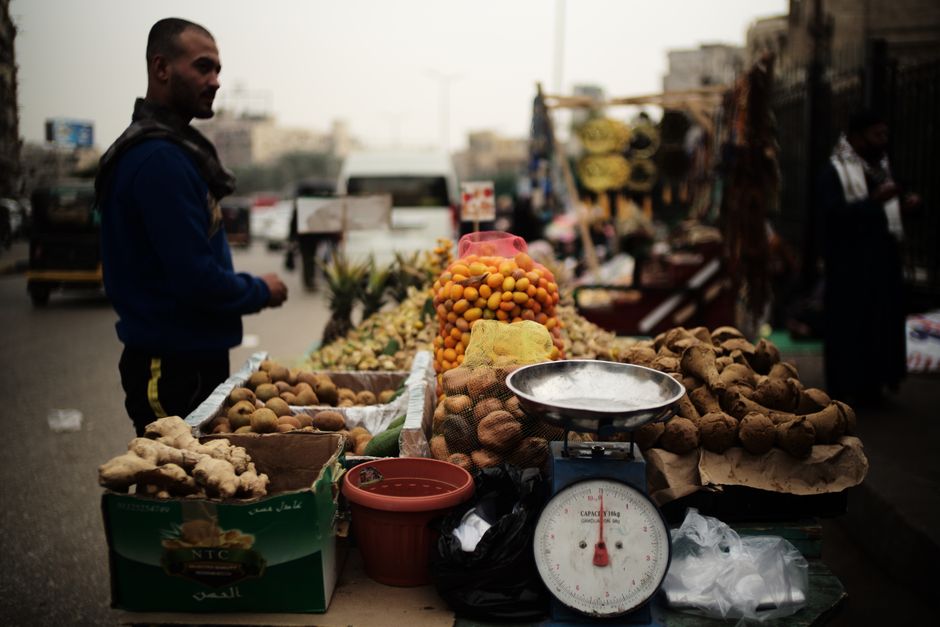
Walking down 26th of July Street in Zamalek on a Friday evening, it's easy to spot the queues stretching outside Hassan Kitchen's flagship location. But five years ago, founder Amira Hassan was pushing a cart through the same neighbourhood, selling homemade koshari to office workers and students at EGP 15 per portion.
Today, Hassan's portfolio includes three sit-down restaurants, a catering operation serving corporate clients, and a cloud kitchen operating in New Cairo. Her story reflects a broader shift in Cairo's retail hospitality sector, where entrepreneurs are innovating within tighter margins while capitalising on rising middle-class demand for quality dining experiences.
"The margins were razor-thin on the street," Hassan reflected during a recent business forum at the American Chamber of Commerce in Cairo. "But every customer taught me something about what this city wanted." Those lessons manifested in her first permanent location—a 120-seat restaurant in 2021 that focused on elevated traditional Egyptian cuisine at accessible price points. Average mains now range from EGP 85 to EGP 180, positioning Hassan's venues between fast-casual chains and upscale establishments.
The Cairo hospitality sector has faced headwinds. Rising operational costs, including rent increases of 12-18% annually in desirable neighbourhoods, have forced closures among smaller operators. Yet industry data suggests the sector contracted by just 3.2% year-on-year through Q2 2026, a resilience many attribute to entrepreneurs like Hassan who understand local consumer behaviour intimately.
Hassan's expansion strategy reveals calculated pragmatism. Rather than pursuing prime locations exclusively, she secured a secondary site in Heliopolis—a neighbourhood with younger demographics and lower commercial rent—and invested in delivery infrastructure serving Maadi, Dokki, and Mohandessin. Her cloud kitchen generates 40% of monthly revenue, reflecting Cairo's accelerating shift toward online food ordering.
Staff retention has been another focus. Hassan pays above-market wages and offers healthcare benefits—uncommon in the sector. Turnover at her establishments averages 8% annually, significantly below the Cairo hospitality industry average of 23%, reducing training costs and maintaining service quality.
Looking ahead, Hassan is exploring franchise partnerships with investors in Alexandria and the New Administrative Capital. If successful, her model—combining street-food authenticity with operational sophistication—could offer a template for Cairo entrepreneurs seeking scale without sacrificing the local character that distinguishes their brands in an increasingly competitive market.
This article was compiled by AI and screened before publishing. See our editorial standards.