Walk through New Cairo or the New Administrative Capital developments and you'll see the transformation unmistakably: gleaming office towers rising above the skyline, their glass facades reflecting Egypt's economic ambitions. But behind these headlines lies a shift that affects residents far more directly than most realise.
Commercial property values in Cairo's prime business districts have surged approximately 12-15% annually over the past two years, according to local real estate analysts. In established areas like Zamalek and along the Nile Corniche, premium office space now commands £E 2,500-3,500 per square metre annually—a dramatic jump from £E 1,800-2,200 just eighteen months ago. Newer destinations like the New Administrative Capital's business zones are pushing even higher, with some Grade-A office space exceeding £E 4,000 per square metre.
What does this mean for ordinary Cairenes? Plenty. When commercial property becomes expensive, landlords and developers inevitably look to maximise returns. Residential neighbourhoods near thriving business hubs—think Garden City, Dokki, and stretches of Sheikh Zayed City—face increasing pressure to zone or redevelop for mixed-use projects combining offices with residential units. This creates tensions between housing availability, traffic congestion, and neighbourhood character.
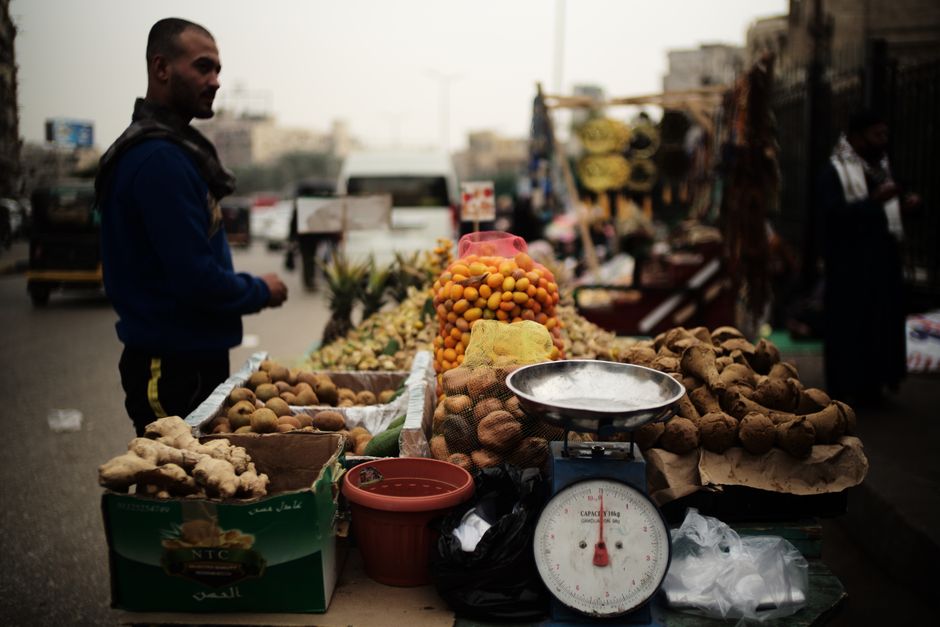
The trend also affects your local services. As commercial demand intensifies, traditional residential ground floors are converted into office lobbies and corporate amenities rather than neighbourhood shops, cafés, and clinics. Long-time residents report difficulty finding familiar vendors and services in rapidly transforming areas.
Additionally, this commercial boom fuels infrastructure demands. Roads near business districts like the Egyptian-Japanese area in New Cairo and the business zones clustered around Tahrir Square face mounting congestion from office workers, delivery trucks, and service vehicles. Parking, already a nightmare in central Cairo, becomes scarcer when commercial developments prioritise office space over public amenities.
There's an upside. Competition for quality office space has driven developers to invest in better buildings with modern amenities, improved security, and technology infrastructure—standards that sometimes benefit neighbouring residents. Some projects include public spaces and green areas that ease neighbourhood density.
Savvy residents should watch how their area is zoned. If your neighbourhood is near a developing commercial corridor, property values may increase—but so might traffic, noise, and loss of residential character. The Commercial and Maritime Chambers and Cairo's Urban Planning Authority offer zoning maps and development plans available to the public.
The Cairo office market isn't slowing down. Understanding these shifts helps residents make informed decisions about where to live, work, and invest.
This article was compiled by AI and screened before publishing. See our editorial standards.