From Khan el-Khalili Cart to E-Commerce Empire: How One Cairo Entrepreneur Built a Digital Bazaar
Amira Hassan's transformation of traditional Egyptian crafts into a thriving online marketplace is reshaping how small artisans reach global customers.
Amira Hassan's transformation of traditional Egyptian crafts into a thriving online marketplace is reshaping how small artisans reach global customers.
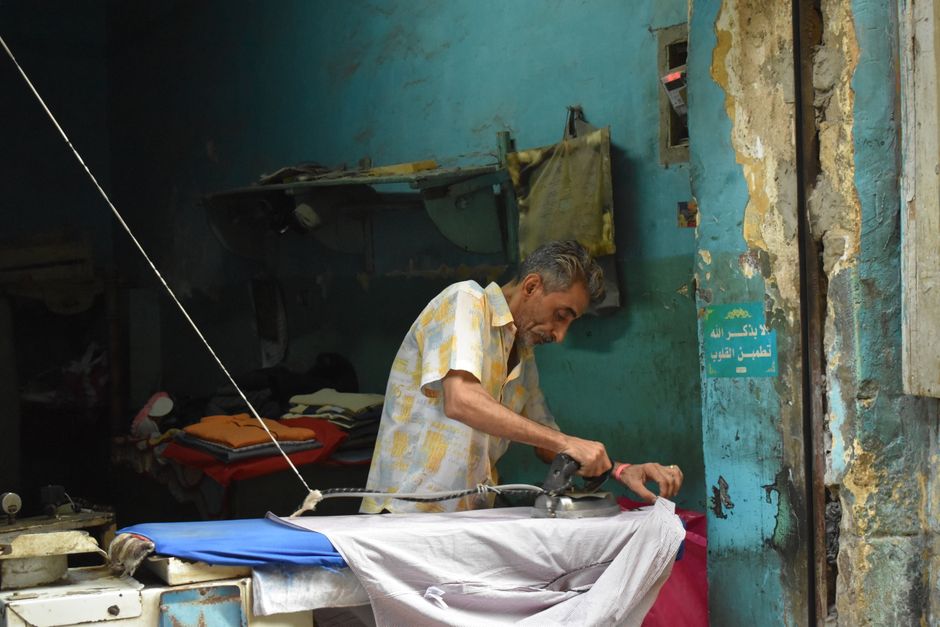
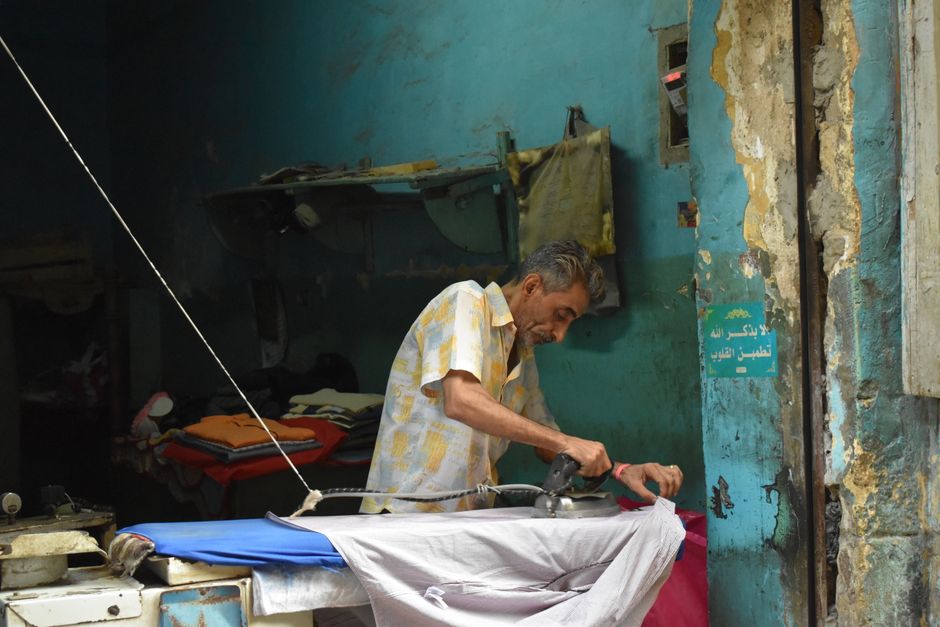
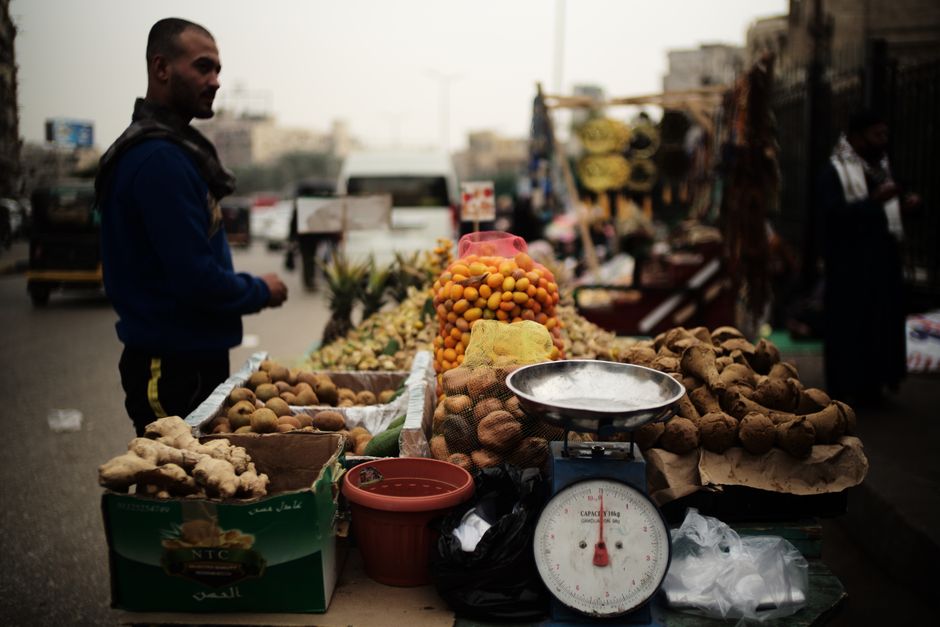
In the narrow alleyways of Khan el-Khalili, where handcrafted goods have been bartered for centuries, a quiet revolution is underway. What began three years ago as a modest attempt to help her mother sell embroidered textiles has evolved into a sophisticated e-commerce operation that now connects over 340 small producers across Cairo, Giza, and the Delta region to international buyers.
Amira Hassan, 34, started her journey from a cramped workspace in the Al-Fishawy café district, initially managing orders through WhatsApp and Instagram. Today, her platform—operating from a modest office near the American University in Cairo—processes approximately 2,400 transactions monthly, generating an estimated 12 million Egyptian pounds in annual turnover for its artisan partners.
"The challenge was never about the quality of our products," Hassan explained during a recent visit to her operation. "It was about visibility and trust. Small workshops in Helwan or Imbaba were competing with mass-produced imports, and they had no way to reach customers who valued authenticity."
Her solution leveraged affordable logistics partnerships and a vetting system that emphasizes traditional techniques. By standardizing packaging while maintaining artisanal integrity, Hassan created a bridge between Cairo's informal economy and formal retail channels. Several of her partner producers now supply boutique hotels along the Nile Corniche and upscale retail spaces in New Cairo.
The statistics tell a compelling story. Average monthly income for participating artisans has increased by 240 percent since joining the platform. Women comprise 67 percent of her active suppliers—many working from home in conservative neighborhoods where traditional employment options remain limited. Production timelines have compressed from weeks to days through coordinated supply chain management.
Yet challenges persist. Currency fluctuations complicate international pricing, while Egypt's logistics infrastructure remains inconsistent. Hassan's team now handles quality control for every shipment, adding operational complexity but ensuring the reputation that attracts repeat customers.
Her success hasn't gone unnoticed. Several microfinance organizations and the Federation of Egyptian Industries have approached her about scaling the model. International investors have shown interest, though Hassan remains cautious about maintaining the platform's focus on genuine artisanal production rather than chasing rapid growth.
As Cairo's business landscape evolves, Hassan represents a growing cohort of entrepreneurs leveraging technology to formalize and elevate the city's vast informal economy. Her work suggests that Cairo's ancient reputation as a trade hub isn't nostalgia—it's merely finding new expression.
This article was compiled by AI and screened before publishing. See our editorial standards.
How does this story make you feel?
Spread the word
About this article
Published by The Daily Cairo
Daily brief
Free, in your inbox before 7am. Weekdays.
More in Business