Cairo's Tourism Sector Faces Perfect Storm of Economic Headwinds in 2026
Rising inflation, regional instability, and changing travel patterns are forcing hotels and tour operators across the capital to rethink their business models.
Rising inflation, regional instability, and changing travel patterns are forcing hotels and tour operators across the capital to rethink their business models.
Cairo's tourism industry, long a pillar of Egypt's economy, is navigating treacherous waters as multiple structural challenges converge in the second half of 2026. Hotel occupancy rates along the Nile in Downtown Cairo and Garden City have softened to around 58 percent—well below the 72 percent average seen in 2023—while tour operators report a noticeable shift away from multi-day Nile cruises toward shorter city breaks.
The headwinds are both domestic and global. Locally, persistent currency pressures have made Egypt-bound travel more expensive for Western tourists, the traditional backbone of visitor spending. A week-long package tour that cost $2,400 in early 2025 now carries a $3,100 price tag, pricing out mid-market American and European travelers who once filled the lobbies of properties along Tahrir Square and Khan El-Khalili.
Regional volatility compounds the problem. Travel advisories from multiple Western governments citing Middle Eastern tensions have prompted corporate groups—conferences, incentive travel, conventions—to redirect bookings elsewhere. The Egyptian Hotel Association reported a 34 percent year-on-year decline in confirmed group bookings for Q3 and Q4, particularly from Scandinavia and Germany, traditionally strong source markets.
Operational costs are another squeeze. Electricity tariffs rose 22 percent in March, while imported supplies needed for five-star service now require navigating complex customs procedures. Mid-range properties in Heliopolis and Zamalek report wage pressures intensifying as staff seek better compensation to offset inflation running near 27 percent annually.
Digital disruption is reshaping the competitive landscape too. Direct bookings through apps have eroded traditional travel agent commissions, while international platforms like Airbnb have fragmented the accommodation market, with unlicensed short-term rentals now undercutting formal hotels by 15-20 percent across neighborhoods like Zamalek and Maadi.
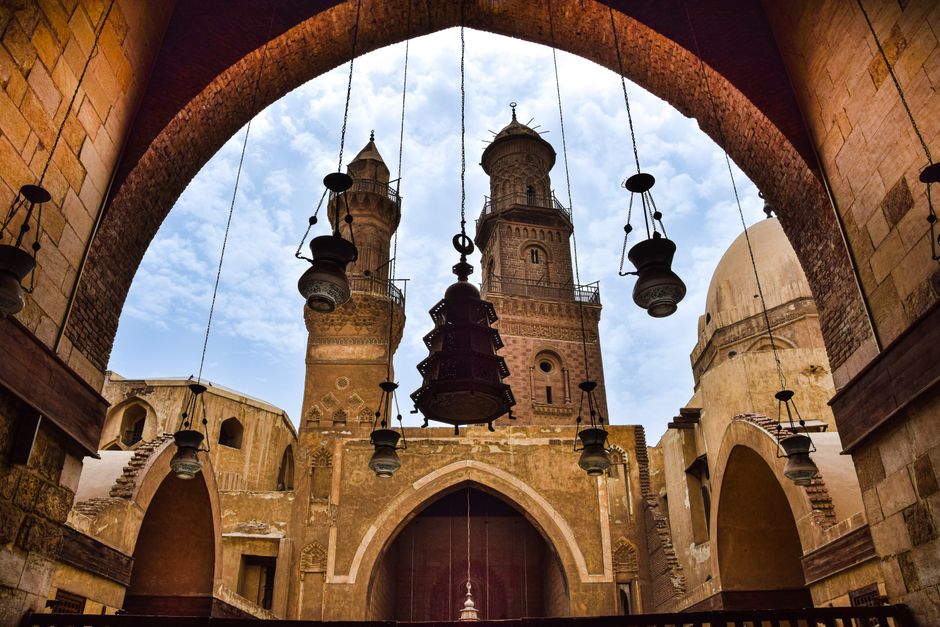
Some operators are adapting. Heritage-focused boutique properties and experiential tourism—cooking classes, Coptic Cairo heritage walks, Islamic architecture tours—are outperforming traditional sightseeing packages. The Egyptian Tourism Authority is quietly shifting marketing toward longer-stay wellness tourism and niche cultural experiences, recognizing that volume-based models are no longer viable.
Yet recovery remains distant. Economists project visitor numbers will hover around 11 million for 2026, roughly 18 percent below pre-pandemic levels, with average spending per tourist declining further into 2027. For a sector that contributed $13.8 billion to GDP as recently as 2019, the structural adjustment underway represents a reckoning.
This article was compiled by AI and screened before publishing. See our editorial standards.
How does this story make you feel?
Spread the word
About this article
Published by The Daily Cairo
Daily brief
Free, in your inbox before 7am. Weekdays.
More in Business