Reading Cairo's Economic Pulse: What Investment Flows Tell Us About Cost of Living
Foreign direct investment patterns and currency movements are reshaping household budgets across the capital—here's what the numbers mean for ordinary Egyptians.
Foreign direct investment patterns and currency movements are reshaping household budgets across the capital—here's what the numbers mean for ordinary Egyptians.
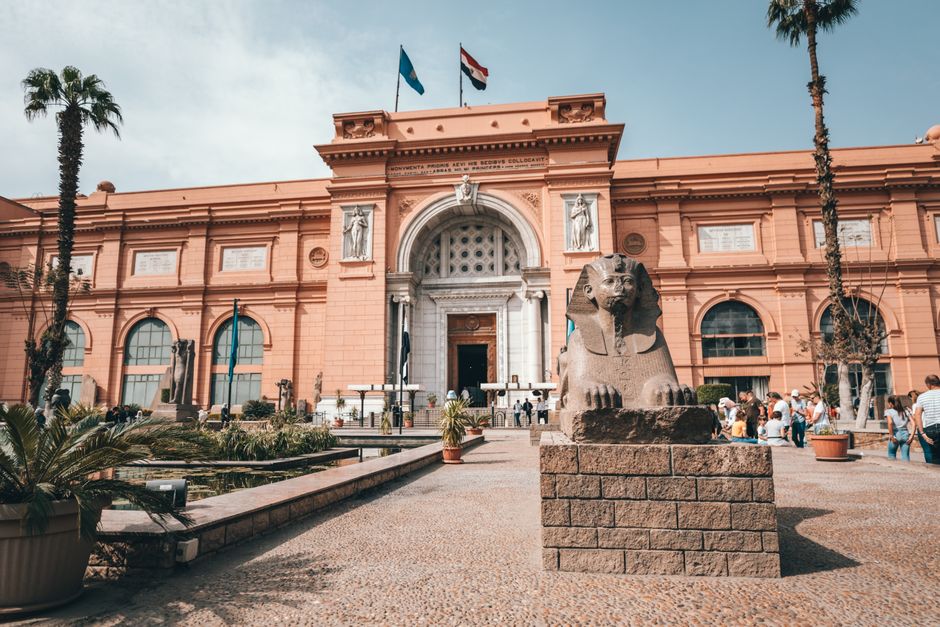
Walk into any café along Talaat Harb Street in Downtown Cairo, and you'll hear conversations about rent, fuel prices, and the pound's stability. These everyday concerns aren't separate from global investment trends—they're directly connected to them.
Egypt's foreign direct investment (FDI) inflows have become a critical barometer for economic health. Last year, the country attracted approximately $9.2 billion in FDI, a significant portion directed toward the Suez Canal Economic Zone and New Administrative Capital projects. When international investors commit capital at this scale, it signals confidence in the economy—but it also influences currency strength, inflation, and ultimately what families spend on groceries in Maadi or Heliopolis.
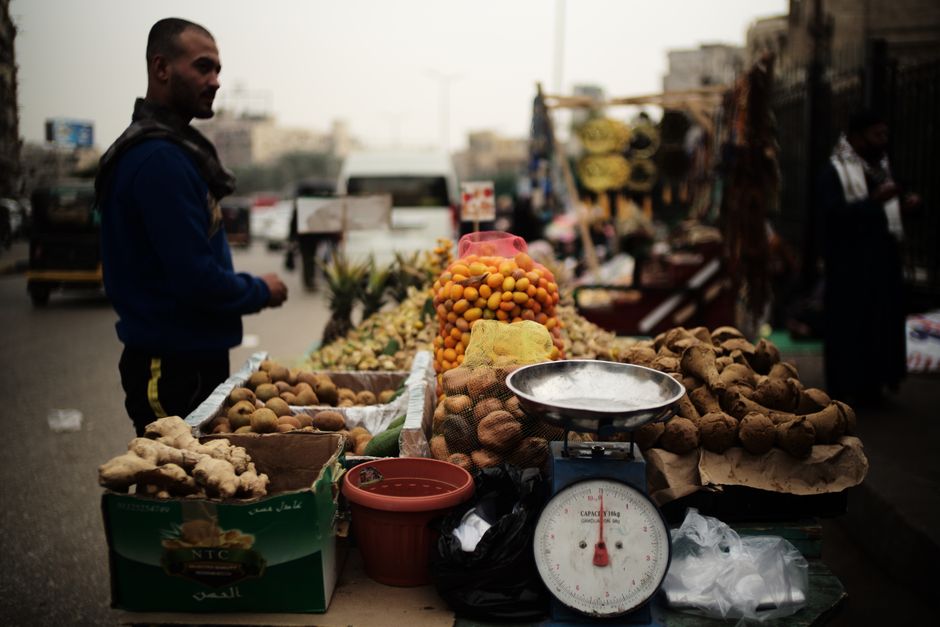
The Central Bank of Egypt's recent interest rate decisions—holding at 27.25 percent—represent a delicate balancing act. Higher rates attract foreign investment seeking better returns, strengthening the Egyptian pound. A stronger pound theoretically reduces import costs. Yet paradoxically, many essentials remain expensive because domestic production hasn't kept pace with demand. A kilogram of chicken costs around 70 Egyptian pounds today; a year ago, it was 55.
Investment flows tell another story. Real estate development companies listed on the Egyptian Exchange—think Talaat Moustafa Group, with major projects in New Cairo and the New Administrative Capital—have seen increased institutional interest. This reflects confidence in long-term growth but also drives property values upward. Young professionals in the Gezira neighborhood face rental increases of 10-15 percent annually, pricing many out of previously affordable areas.
The tech sector presents a contrasting picture. Cairo's growing startup ecosystem, concentrated around Innovation Hub locations in Districts like Maadi, has attracted venture capital focused on fintech and e-commerce solutions. This investment type creates high-skilled jobs with premium salaries, potentially widening inequality gaps across income brackets.
Currency stability matters enormously. When the pound weakens against the dollar, imported goods—from medicines to electronics—become more expensive. The Central Bank's reserves, currently hovering around $34 billion, determine how effectively officials can defend the currency during external pressures. These technical indicators affect whether a family's monthly budget stretches to month-end.
Understanding these connections matters. Investment flows aren't abstract financial metrics—they're the mechanism through which global capital shapes Cairo's wages, prices, and opportunities. For residents watching their purchasing power shift month to month, tracking FDI announcements and monetary policy isn't academic; it's survival economics.
This article was compiled by AI and screened before publishing. See our editorial standards.
How does this story make you feel?
Spread the word
About this article
Published by The Daily Cairo
Daily brief
Free, in your inbox before 7am. Weekdays.
More in Business