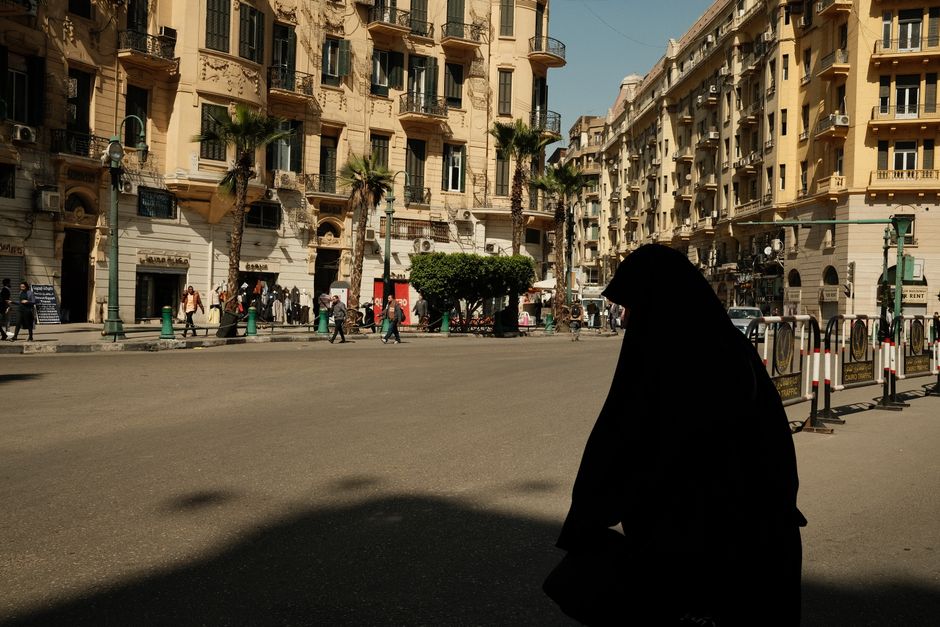
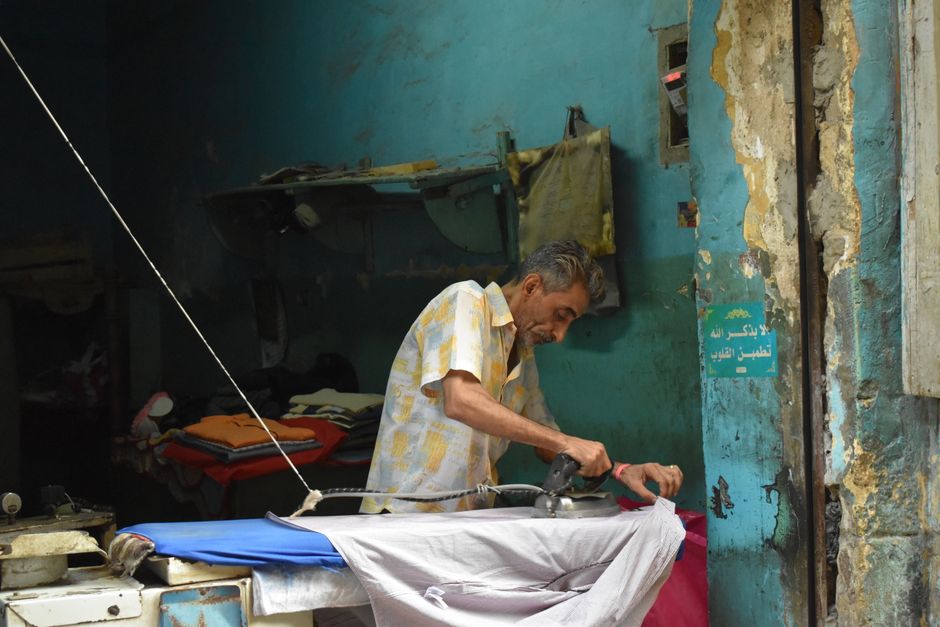
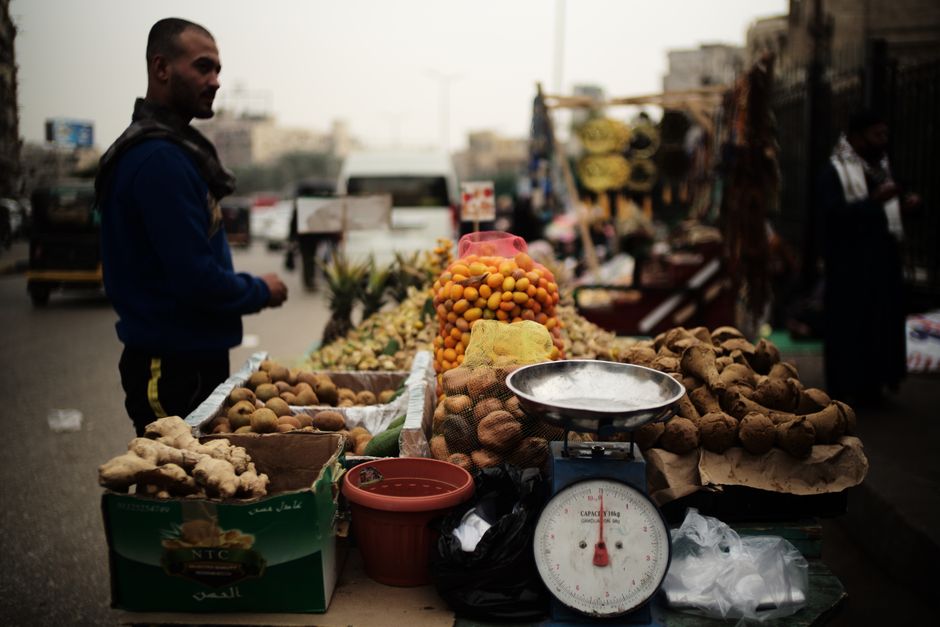
Walk through the gleaming towers of the New Administrative Capital's business district or the packed trading floors along Qasr Al-Nile Street, and you'll hear a familiar refrain: "What does it mean for us?" As geopolitical tensions ripple across the Middle East and North Africa, Cairo's business community is learning to decode the economic signals that move capital in and out of Egypt.
The latest data paints a complex picture. Foreign direct investment into Egypt reached $9.2 billion in the first quarter of 2026, according to the General Authority for Investment and Free Zones—a modest uptick from the previous year, but one that masks deeper currents. While traditional sectors like tourism and Suez Canal services remain stable, new capital is flowing toward renewable energy and technology sectors, with several European and Emirati firms establishing regional hubs in the Business Park along the Ring Road.
For investors monitoring Egypt's prospects, three indicators matter most: the pound's stability against the dollar, credit ratings from international agencies, and foreign reserve levels. The Central Bank has maintained tight monetary policy this quarter, keeping inflation below 25 percent—crucial for businesses pricing goods in both local and international markets. A manager at a mid-sized textile export company near Helwan noted that even a one-percent shift in the exchange rate affects their profit margins by millions.
The broader geopolitical context complicates matters. Sanctions on Iran have redirected some trade flows toward the Suez Canal, theoretically benefiting Egypt's revenues, yet tension over shipping routes creates uncertainty for insurance and logistics firms. Simultaneously, the African Continental Free Trade Area has opened new markets for Egyptian manufacturers, though supply chain disruptions in sub-Saharan regions remain unpredictable.
Professional forums at the American Chamber of Commerce office in Garden City and seminars hosted by the Federation of Egyptian Industries now regularly feature sessions on reading global credit spreads, understanding sanctions implications, and hedging currency risk. These aren't academic exercises—they're survival skills for companies competing internationally from Cairo's business ecosystem.
The message is clear: in an era of fractured global relationships and shifting investment patterns, understanding economic indicators isn't the domain of macroeconomists alone. It's become essential knowledge for any business leader with international ambitions. For Cairo's entrepreneurs, mastering this language of data and flows is increasingly what separates winners from those left behind.
This article was compiled by AI and screened before publishing. See our editorial standards.