Cairo's food and hospitality landscape is shifting beneath the feet of ordinary residents. Over the past six months, the cost of dining out has climbed noticeably, with casual restaurants in popular neighbourhoods like Zamalek and Heliopolis reporting ingredient costs up 15–22 percent compared to early 2026. For families accustomed to weekend meals at established venues or quick lunches near downtown offices, the impact is becoming unavoidable.
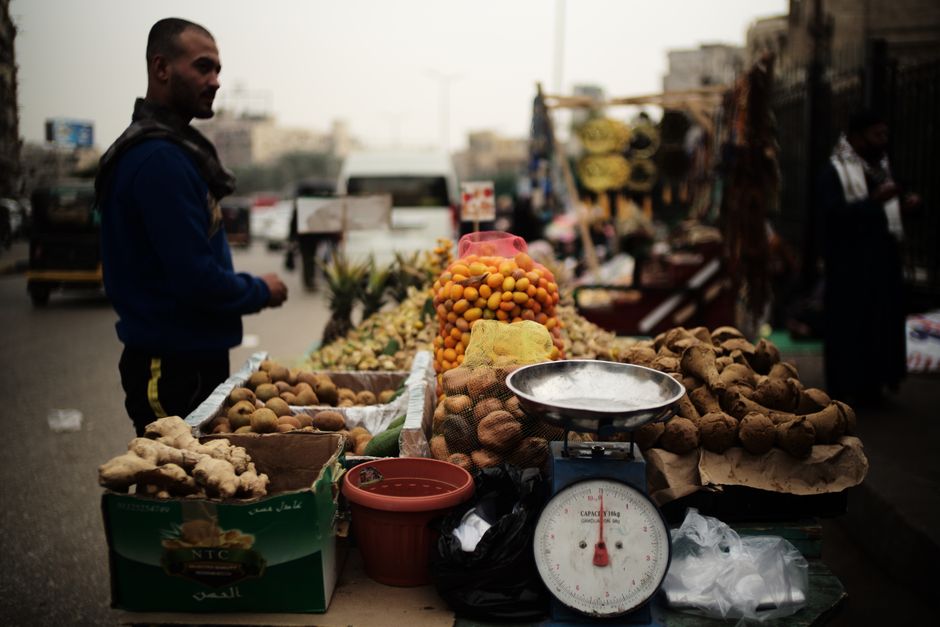
The pressure stems from multiple sources. Import tariffs on agricultural products, fluctuating exchange rates affecting foreign suppliers, and increased transportation costs across the Greater Cairo region have all tightened profit margins for restaurant operators and food retailers. Small grocery shops along neighbourhoods like Garden City and Nasr City have had to increase prices on imported goods—olive oil, certain spices, and packaged items now cost 18–25 percent more than they did last year. Local produce remains relatively stable, but sourcing consistency remains challenging.
Retail chains and independent merchants are responding differently. Larger supermarket groups have absorbed some costs to maintain competitiveness, while smaller family-run shops on streets like Qasr Al-Nil have passed increases directly to customers. A basket of weekly staples that cost 450 Egyptian pounds in January 2026 now runs closer to 540 pounds for the same items at many neighbourhood retailers.
The hospitality sector—hotels, cafes, and full-service restaurants—faces acute pressure too. Mid-range establishments in areas like Maadi and New Cairo have quietly adjusted menu prices by 10–15 percent, while high-end venues have maintained pricing but reduced portion sizes or simplified offerings. Budget-conscious venues targeting students and workers near Ramses and Abbasia have held the line on prices but are experimenting with smaller servings and limited menus to manage costs.
For everyday residents, the practical advice is straightforward: plan meals around seasonal, locally-sourced produce; consider shifting some dining out to lunch hours when many restaurants offer promotional pricing; and explore neighbourhood options beyond major commercial zones, where family-run establishments often maintain more competitive rates. Building relationships with trusted local grocers can also yield advantages—many offer informal discounts to regular customers or can source items at better rates than supermarket chains.
This moment reflects Cairo's broader economic adjustment. While challenges are real, residents who diversify their shopping habits and stay informed about pricing trends can weather the transition more smoothly than those relying solely on habit or convenience.
This article was compiled by AI and screened before publishing. See our editorial standards.