How Global Instability Is Reshaping Cairo's Small Business Playbook
From supply chain chaos to currency swings, entrepreneurs in Zamalek and Downtown are learning to navigate a world where distant crises hit their bottom line within days.
From supply chain chaos to currency swings, entrepreneurs in Zamalek and Downtown are learning to navigate a world where distant crises hit their bottom line within days.
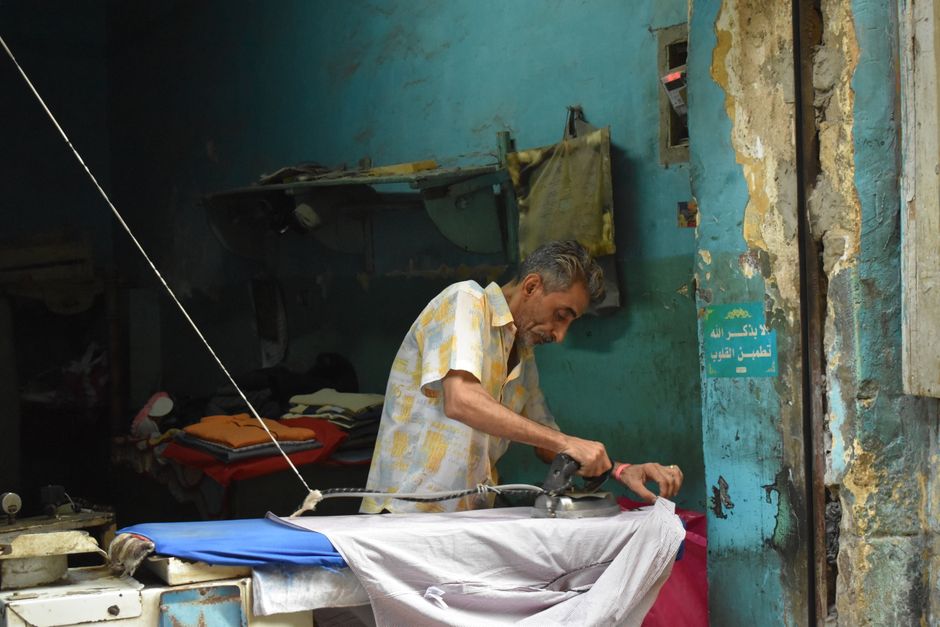
Walk through Khan el-Khalili on any morning, and you'll find shop owners huddled over their phones, checking dollar rates and news from ports halfway across the world. For Cairo's small business community, 2026 has become a masterclass in vulnerability. Global disruptions that once felt remote now directly threaten inventory, margins, and survival.
Take the case of textile traders along 26th of July Street in Zamalek. Traditionally, they've sourced from Turkey and India, with shipments arriving predictably every 45 days. That certainty evaporated six months ago. Recent geopolitical tensions across shipping lanes have added 10-15 days to delivery times, forcing entrepreneurs to either inflate prices—risking customer loss—or absorb costs themselves. "Our markup has fallen from 35 percent to 28 percent," said one merchant who preferred anonymity, citing pressure from larger competitors. "We're managing, but just barely."
The currency question weighs even heavier. The Egyptian pound's fluctuation against the dollar has become a daily calculation for anyone importing goods. A furniture workshop owner in Helwan, who sources materials from Southeast Asia, reported that a shipment costed 15 percent more in local currency than it did three months ago, despite identical dollar pricing. Without raising retail prices aggressively—a risky move in a price-sensitive market—margins compress dangerously.
Yet some entrepreneurs are adapting. A growing number of small retailers in Downtown Cairo and Garden City are exploring local sourcing partnerships, banking on resilience through reduced supply-chain distance. Coffee roasters, artisanal producers, and food processors who once viewed purely local supply chains as limiting are now seeing them as strategic assets. The Cairo Chamber of Commerce has noted increased inquiries about Egyptian suppliers among SMEs, reversing a decade-long trend toward imported goods.
Digital tools are another lifeline. Smaller business owners are investing in real-time currency tracking apps, freight forwarding networks, and online procurement platforms that offer some price predictability. A spice merchant near Al-Sayida Zainab reported that adopting digital logistics platforms cut her uncertainty costs by roughly 8 percent.
The broader lesson is stark: Cairo's small business sector, long accustomed to operating within Egypt's economic bubble, is now exposed to every tremor in global markets. Those adapting fastest—diversifying suppliers, embracing local alternatives, and building digital resilience—are positioning themselves to weather the next shock. For others, the question isn't whether disruption will come, but whether they'll survive when it does.
This article was compiled by AI and screened before publishing. See our editorial standards.
How does this story make you feel?
Spread the word
About this article
Published by The Daily Cairo
Daily brief
Free, in your inbox before 7am. Weekdays.
More in Business