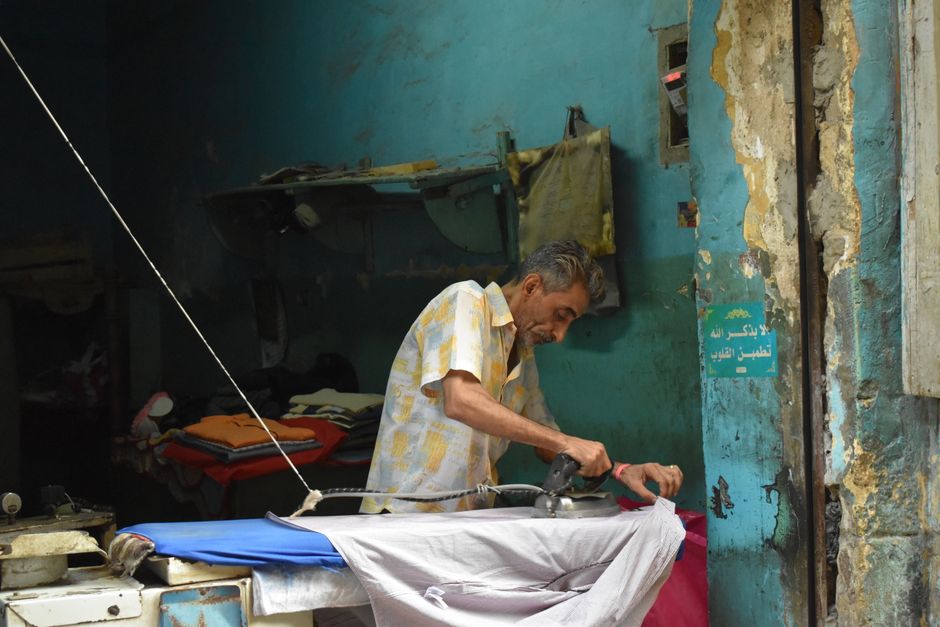
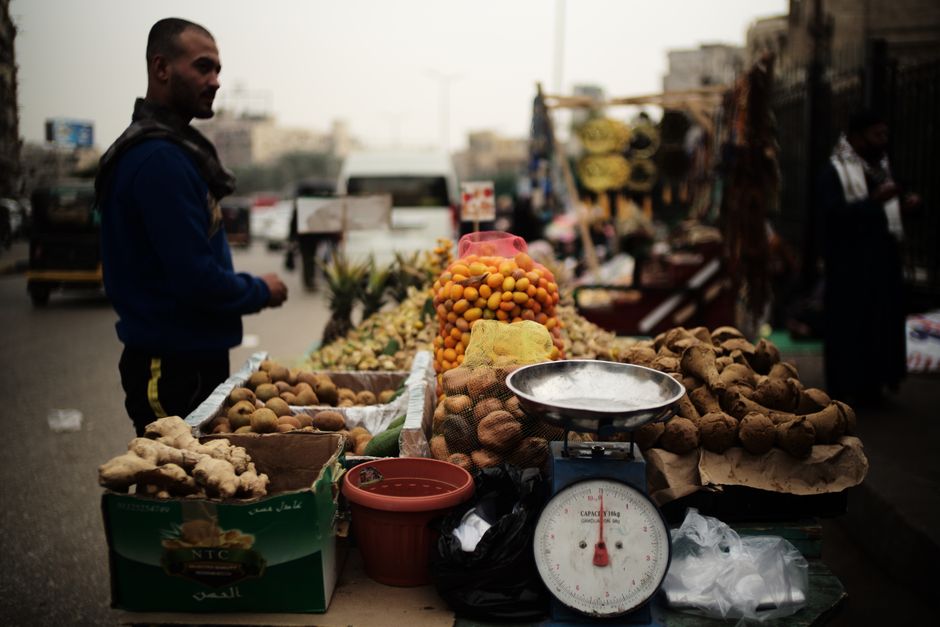
Walk down 26th of July Street in Zamalek on any weekday morning, and you'll spot the unmistakable energy of Cairo's small business renaissance. Coffee shops overflow with startup founders, accountants huddled over laptops, and the occasional venture capitalist scouting the next big opportunity. But what do the numbers actually tell us about Egypt's investment trajectory right now?
The Central Bank of Egypt's latest monetary policy stance—maintaining rates within a strategic band while inflation edges toward single digits—has created what economists call a "Goldilocks moment" for entrepreneurs. Small and medium enterprises, which comprise roughly 99 percent of registered businesses in Cairo, are responding. Bank lending to SMEs grew 18 percent year-over-year in the first quarter, according to recent CBE data, a significant shift after years of cautious credit allocation.
Consider the micro-level indicators visible across neighbourhoods like Heliopolis and New Cairo. Commercial rent for ground-floor retail space has stabilized at approximately 150,000 to 250,000 EGP monthly—down from the panic-driven peaks of 2024. This stabilization matters enormously for entrepreneurs making expansion decisions. "When you can forecast your fixed costs with confidence, you can actually plan," explains the director of the Cairo Chamber of Commerce's small business division, though he cautioned that currency volatility remains a persistent headwind.
The real story, however, sits in capital flows. Foreign direct investment into Egypt's non-energy sectors has begun diversifying beyond traditional pharma and textiles. Tech startups operating out of hubs around the American University in Cairo are attracting regional venture funding at rates unseen since 2019. Meanwhile, domestic investor appetite—measured by stock exchange activity in small-cap equities and private equity deals—suggests confidence among high-net-worth Egyptians is returning.
What does this mean for the corner grocer on Talaat Harb Street or the fashion boutique owner in Downtown Cairo? Credit availability improved, yes, but terms remain tight. Most micro-enterprises still rely on personal networks or informal lending. The gap between headline investment growth and street-level access to capital remains Cairo's central paradox.
Yet the directional signals are unmissable. When economic indicators align—interest rates moderating, inflation controlled, currency more stable—foreign and domestic money flows where entrepreneurs can deploy it. Right now, across Cairo's business districts, that flow is building. Savvy business owners are reading these signals carefully, knowing that such windows rarely stay open indefinitely.
This article was compiled by AI and screened before publishing. See our editorial standards.