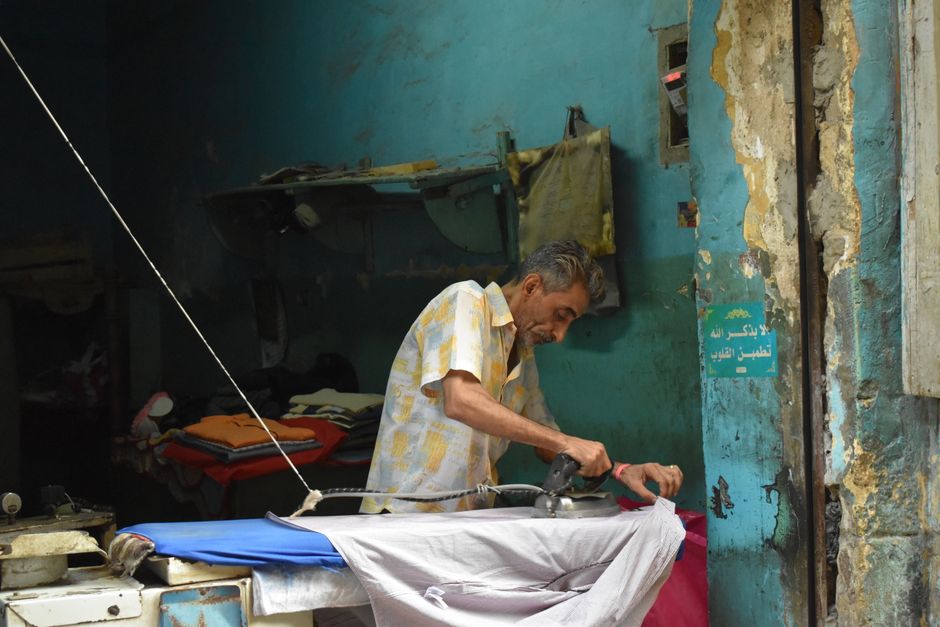
For Amira Hassan, who runs a textile workshop employing twelve people in the industrial zone near Nasr City, June's economic data felt personal. When she heard that foreign direct investment into Egypt had climbed 18 percent year-on-year, reaching $9.2 billion by mid-2026, she immediately began reassessing her expansion plans. Understanding these broader investment flows, once the domain of institutional traders, has become essential knowledge for Cairo's entrepreneurial class.
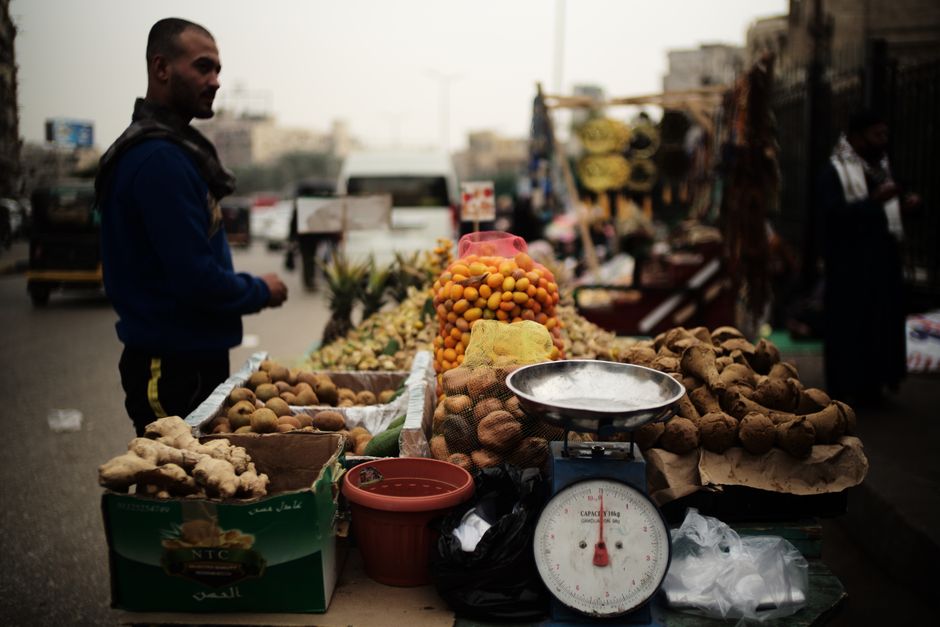
The mechanics are straightforward but consequential. When international capital flows into Egypt—whether through sovereign wealth funds, multinational acquisitions, or infrastructure partnerships—several immediate effects ripple through small business ecosystems. Currency stability strengthens. Bank lending rates often decline. Consumer purchasing power stabilises. For a florist on Qasr El Nile or a furniture maker in Rod El Farag, these shifts determine whether they can secure affordable credit or plan inventory purchases with confidence.
Recent investment clustering offers practical insight. The New Administrative Capital's construction phases have attracted $4.3 billion in ancillary business investment, creating demand for supplies, services, and logistics across the greater Cairo region. Meanwhile, tech sector funding—particularly fintech and e-commerce platforms—has surged 34 percent since early 2025, reflecting renewed confidence in Egypt's digital economy. This matters because small retailers in Heliopolis and Khan El Khalili increasingly depend on digital payment infrastructure and last-mile delivery networks that these investments fund.
Not all flows prove equal, however. Portfolio investment—money chasing short-term returns through Egypt's stock exchange—remains volatile and offers small businesses little direct benefit. Foreign direct investment, by contrast, typically signals longer-term confidence and creates jobs across supplier networks. Entrepreneurs monitoring Egypt's Central Bank announcements and quarterly investment reports can distinguish between these patterns.
Practical translation: When investment analysts note rising FDI coupled with declining inflation rates, small business owners should anticipate improved access to credit within 60 to 90 days. When portfolio flows spike sharply, expect currency fluctuation that complicates import-dependent operations.
Cairo's business community increasingly gathers at forums—from the American Chamber of Commerce offices in Downtown to informal networks in Dokki cafés—to decode these signals collectively. The skill once exclusive to institutional finance has democratised. Understanding investment flows no longer separates large corporations from small operators; instead, it separates informed entrepreneurs from those left guessing.
This article was compiled by AI and screened before publishing. See our editorial standards.