Cairo's thriving hospitality sector—anchored by clusters of restaurants, cafés and retail spaces along Talaat Harb Street, around Zamalek, and throughout Sheikh Zayed City—is navigating a fresh wave of global pressures that show no signs of easing.
The tightening situation with Iran, coupled with ongoing regional instability, has disrupted maritime shipping patterns that Egyptian importers depend on heavily. A senior source within the Cairo Chamber of Commerce confirmed last month that freight costs on European ingredients and specialty goods have climbed 18-22% since early 2026, squeezing already-thin margins across mid-range and premium establishments.
"We're seeing real ripple effects," explains the manager at a prominent café network with three locations in New Cairo. "Italian olive oil, French wines, even basic packaging materials—the supply chain is fractured. What took three weeks to arrive now takes six, and the cost is unpredictable." Menu prices at comparable venues have drifted upward by 12-15% over the past quarter, according to informal surveys of 40 establishments across the capital.
Currency fluctuations compound the problem. The Egyptian pound's volatility against the dollar and euro—driven partly by broader geopolitical jitters—has made forward purchasing and inventory planning a minefield for restaurant owners and retail chains. Several independent retailers along Mohamed Mahmoud Street have shifted toward domestic suppliers and reduced their reliance on imported luxury goods to mitigate exchange-rate exposure.
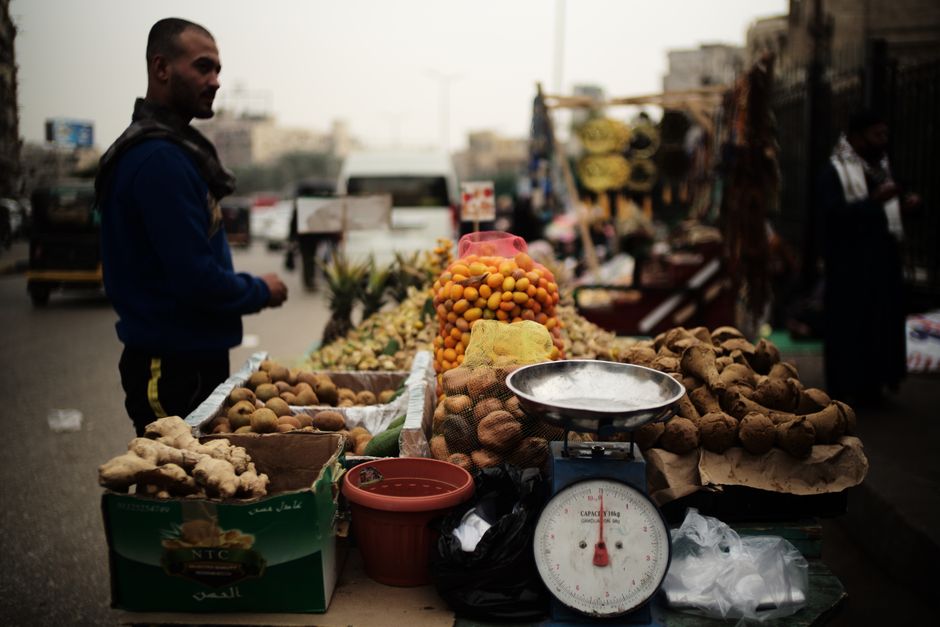
Yet the crisis has sparked innovation. A growing number of hospitality operators are investing in local supply partnerships and farm-to-table models. Several high-profile establishments in Heliopolis now source 60-70% of fresh produce from cooperative farms in the Nile Delta, cutting costs and boosting authenticity marketing simultaneously.
Tourism, meanwhile, remains a wild card. While Western travellers continue to visit Cairo, the uptick is modest and volatile. Hotels and tourism-dependent restaurants report booking patterns remain 8-12% below 2023 levels, pressure that trickles down to suppliers and ancillary services.
The consensus among Cairo's business leadership is clear: survival demands agility. Operators who can localize sourcing, lock in longer-term supplier contracts, and adjust pricing strategically will weather the storm. Those clinging to pre-2025 business models risk being left behind. The global context is no longer abstract—it's rewriting the rules of retail and hospitality across Cairo's neighborhoods every single day.
This article was compiled by AI and screened before publishing. See our editorial standards.