Cairo's Tourism Rebound Creates a New Class of Local Winners
As visitor numbers surge past pre-pandemic levels, boutique hoteliers, heritage guides and digital platform operators are capturing outsized gains in Egypt's capital.
As visitor numbers surge past pre-pandemic levels, boutique hoteliers, heritage guides and digital platform operators are capturing outsized gains in Egypt's capital.
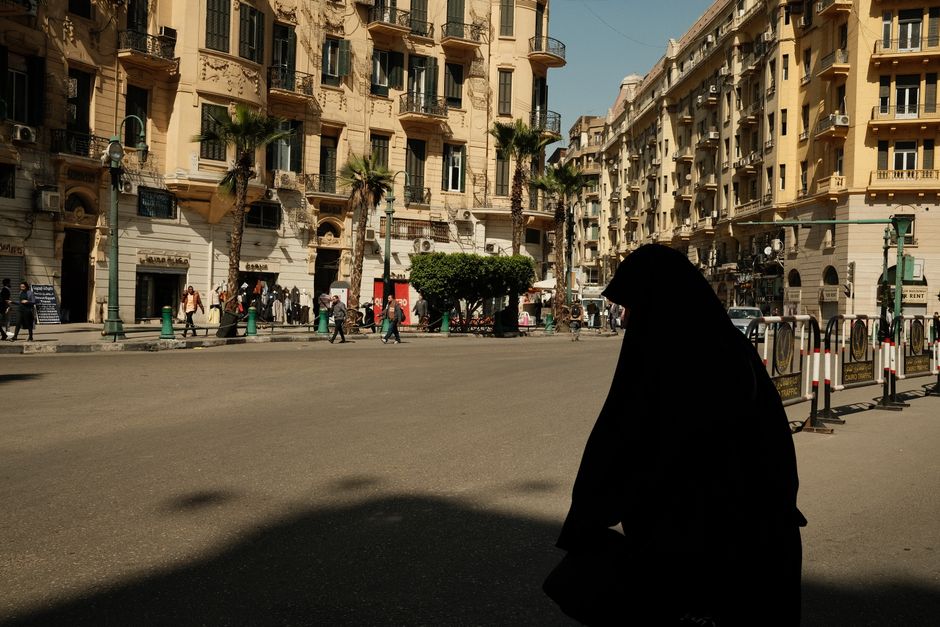
Cairo's visitor economy is experiencing a transformation that extends well beyond the Giza pyramids. New data shows international arrivals to Egypt reached 14.9 million in 2025, the highest on record, with Cairo capturing roughly 40 percent of that traffic. But the real story lies not in headline numbers—it's in who's profiting from the shift.
The emerging winners are a category of micro and mid-size operators who've adapted faster than traditional hospitality incumbents. Consider the boutique hotel sector in Islamic Cairo, where properties like those clustered around Khan el-Khalili have seen occupancy rates climb to 78 percent year-over-year, according to industry tracking by the Egyptian Hotel Association. Room rates in this neighbourhood now average $95-$140 per night, up from $65-$85 three years ago, yet independent operators report higher margins than their predecessors—many attribute this to direct booking platforms and WhatsApp-based reservations that bypass agent commissions.
Beyond beds, the heritage experience economy is booming. Licensed Egyptologists and independent tour operators working the Coptic Cairo circuit—particularly around the Hanging Church and Ben Ezra Synagogue—report bookings up 156 percent since 2023. Day rates for private guides have risen to $80-$120, with several operators now running two or three groups daily, six days a week. Unlike formal tour operators bound by fixed pricing structures, these freelancers capture full value.
Digital platforms are another unexpected beneficiary class. Cairo-based platforms specializing in experiential bookings—cooking classes in Zamalek, street art tours in Downtown Cairo, felucca rides on the Nile—have emerged as significant revenue generators. Some founders report monthly bookings in excess of 2,000 experiences, with commission rates of 15-25 percent translating to six-figure annual revenues for established operators.
The restaurant and cafe sector on Mohamed Mahmoud Street and around Saad Zaghloul Square has similarly evolved. Venues offering contemporary Egyptian cuisine at mid-market pricing ($12-$25 per head) are outperforming both budget street food and high-end establishments, capturing the sweet spot of international visitors seeking authenticity without excessive formality.
What's notable is the decentralization of opportunity. Rather than concentrating benefits in a handful of major hotels or tour operators, the rebound has distributed gains across networks of smaller, nimble players willing to invest in marketing and customer experience. Many are young entrepreneurs leveraging social media and international review platforms to build direct customer relationships.
Still, challenges remain: infrastructure constraints, inconsistent regulatory enforcement, and currency volatility continue to create friction. Yet for those positioned at the front lines of Cairo's tourism renaissance—whether guiding groups through medieval bazaars or managing a fifteen-room heritage hotel—the opportunity window appears genuinely open.
This article was compiled by AI and screened before publishing. See our editorial standards.
How does this story make you feel?
Spread the word
About this article
Published by The Daily Cairo
Daily brief
Free, in your inbox before 7am. Weekdays.
More in Business