Walking through Khan El-Khalili's spice markets or grabbing afternoon coffee in Zamalek, you've likely noticed the creeping reality: your pound doesn't stretch as far as it used to. For ordinary Cairenes managing household budgets, understanding the financial landscape isn't a luxury—it's essential survival.
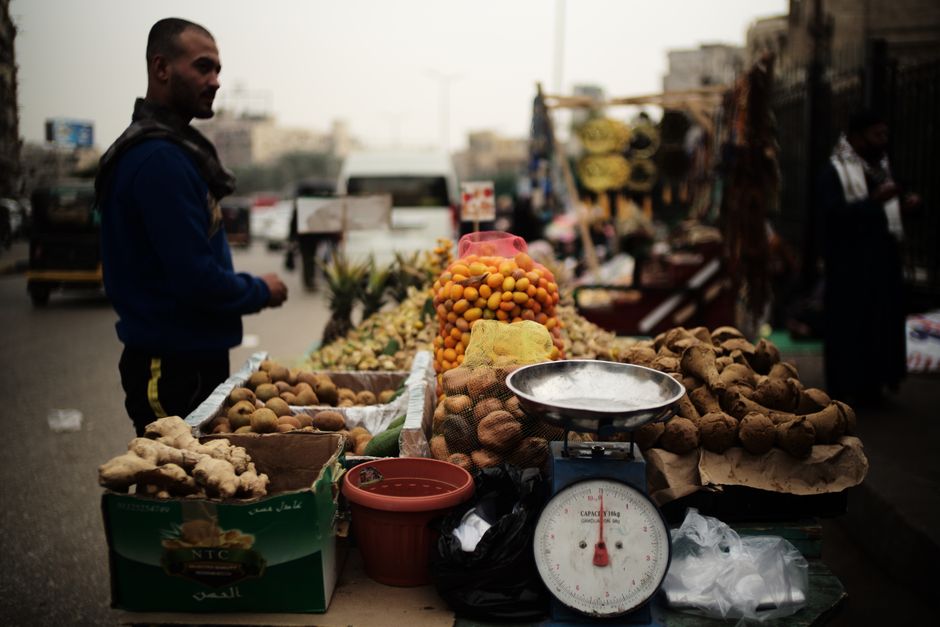
The cost-of-living squeeze is real. Grocery staples at supermarkets along Sharia Talaat Harb have climbed steadily. A kilogram of local tomatoes now routinely costs more than it did two years ago. Rent in established neighbourhoods like Heliopolis and New Cairo continues its upward trajectory, eating into disposable income for millions. Transportation costs, utility bills, and school fees have all increased, squeezing middle-class households particularly hard.
What's driving this? Currency dynamics, global commodity prices, and domestic monetary policy all play roles. The Central Bank of Egypt's interest rate decisions filter down to everyday life—when borrowing becomes more expensive, mortgages rise and consumer loans cost more. Conversely, if you have savings accounts, higher rates mean your money generates better returns, though inflation can still erode purchasing power.
Here's what residents should focus on. First, understand the difference between nominal and real returns. A savings account offering 10 percent interest sounds attractive until you realise inflation is running at 25 percent—meaning your money actually loses value. Second, diversify where possible. While many Egyptians traditionally rely on cash savings, exploring structured deposits or government savings certificates through post offices can offer better protection. Third, be intentional about major purchases. Delaying a car or home renovation until interest rates stabilise could save thousands of pounds.
For daily expenses, the maths matters. That coffee in Downtown Cairo costs more than in suburban neighbourhoods. Bulk buying at warehouse retailers like those near Nasr City can reduce per-unit costs significantly. Negotiating utility bills and phone contracts annually—especially given annual price adjustments—often yields savings people leave on the table.
The psychological dimension matters too. Financial anxiety is real across Cairo right now, from apartment dwellers in Maadi to shopkeepers in Islamic Cairo. Understanding your own situation—creating a simple monthly budget, identifying essential versus discretionary spending—builds resilience and confidence.
Egypt's economy is navigating global headwinds while transitioning domestically. For Cairo's residents, that means staying informed, asking questions of banks and service providers, and making intentional financial decisions rather than reactive ones. Your financial health depends on it.
This article was compiled by AI and screened before publishing. See our editorial standards.