Reading the Tea Leaves: How Cairo's Business Leaders Are Decoding Global Investment Signals
As foreign direct investment patterns shift across emerging markets, what do the numbers really tell us about Egypt's economic trajectory?
As foreign direct investment patterns shift across emerging markets, what do the numbers really tell us about Egypt's economic trajectory?
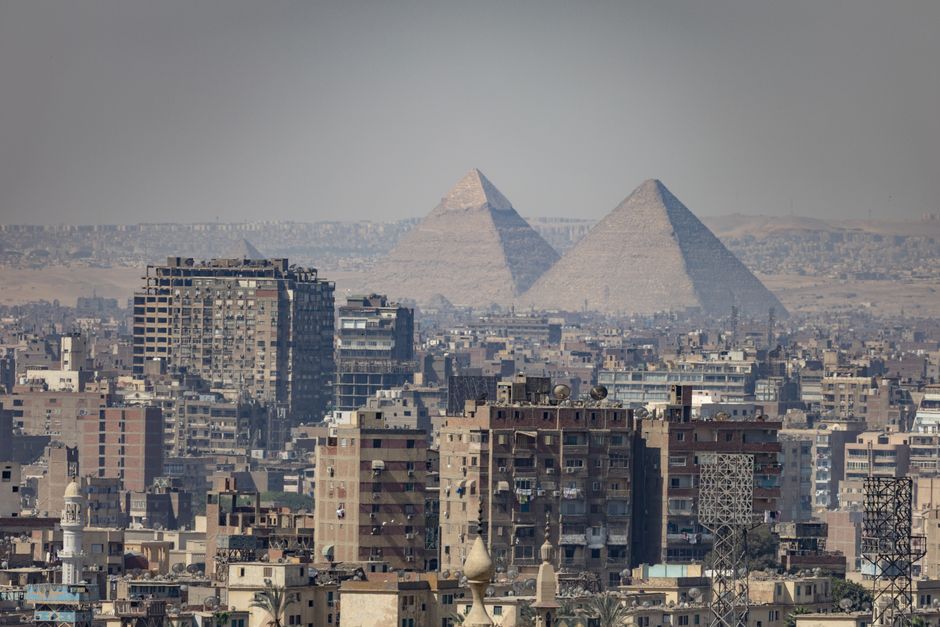
Walk into any coffee shop along Talaat Harb Street in downtown Cairo, and you'll overhear the same conversation: business owners and investors anxiously parsing the latest foreign direct investment (FDI) data, trying to understand what it means for their bottom lines.
The numbers are worth taking seriously. Egypt attracted approximately $9.2 billion in FDI during 2025, according to preliminary UNCTAD estimates—a modest increase from the previous year, but one that masks deeper shifts in where that money is actually flowing. Real estate and tourism continue to dominate, but manufacturing and renewable energy are beginning to capture investor attention in ways they haven't before.
"The key is understanding what drives these flows," explains the economic commentary around the Egyptian-German Business Association offices in New Cairo. Investment doesn't move randomly. It follows signals: currency stability, inflation rates, sectoral growth prospects, and geopolitical risk assessments. Right now, Egypt's pound has shown relative resilience after previous volatility, which matters enormously for foreign investors calculating returns.
Consider the practical implications. A German textile manufacturer considering expansion weighs Egypt's FDI climate against alternatives in Morocco or Vietnam. They look at the Central Bank of Egypt's interest rates, currently hovering around 27.25 percent—high by global standards, but reflecting inflation management efforts. They examine Port Said's throughput statistics and the Suez Canal's revenue streams as proxies for broader economic health.
For Cairo-based entrepreneurs, these macro indicators translate into micro realities. When venture capital flows shift—as they have, with fintech and e-commerce startups increasingly attracting Silicon Valley attention—it means easier access to capital for tech founders working out of offices in Sheikh Zayed City. When manufacturing FDI declines, it signals potential headwinds for supply chain businesses.
The business community watches remittances too, treated as a quasi-FDI metric. Egyptians abroad send roughly $32 billion annually home, providing foreign currency stability that underwrites broader investment confidence. This money flows into consumption, real estate, and small business expansion across neighbourhoods from Heliopolis to 6th of October City.
What matters most is recognizing that investment flows are leading indicators—they predict economic momentum before GDP figures confirm it. When FDI patterns shift, savvy operators respond months before headlines catch up. For Cairo's business class, mastering this read of the global financial signals isn't academic. It's survival.
This article was compiled by AI and screened before publishing. See our editorial standards.
How does this story make you feel?
Spread the word
About this article
Published by The Daily Cairo
Daily brief
Free, in your inbox before 7am. Weekdays.
More in Business