From Garden City to Global Markets: How One Cairo ...
Farah Textile Solutions, headquartered in Nasr City, has become a blueprint for how Egyptian manufacturers can compete internationally while keeping roots firmly planted at home.
Farah Textile Solutions, headquartered in Nasr City, has become a blueprint for how Egyptian manufacturers can compete internationally while keeping roots firmly planted at home.
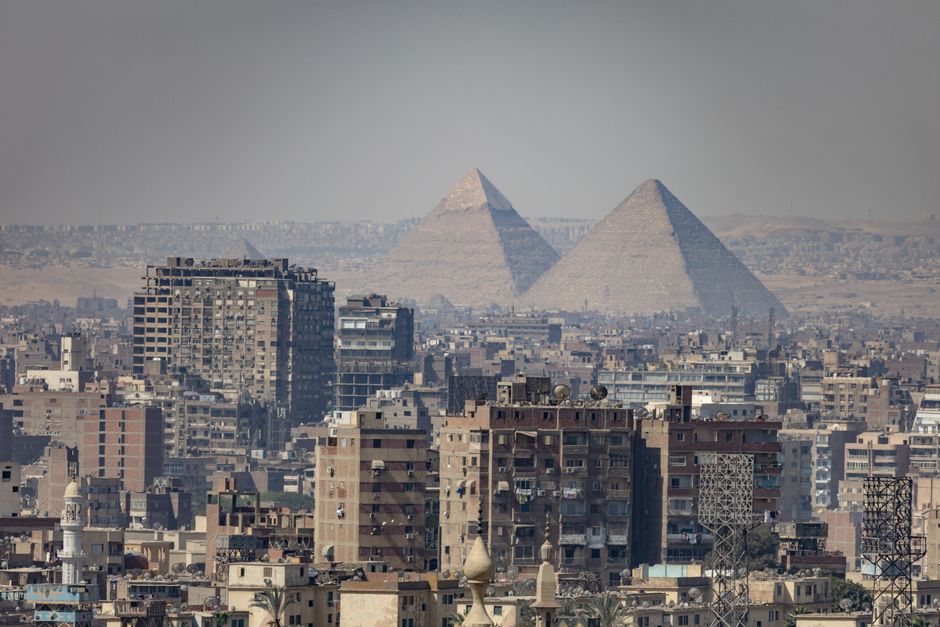
On a sweltering Tuesday morning in the Nasr City industrial zone, Mohamed El-Sayed walks through the sprawling warehouse of Farah Textile Solutions, pointing out shipments destined for buyers in Portugal, Bangladesh, and Kenya. The 47-year-old entrepreneur has built something remarkable: a mid-sized textile manufacturer that now exports to 23 countries while maintaining operations that employ over 400 Cairenes.
Starting with a modest family fabric shop on Talaat Harb Street in downtown Cairo in 2008, El-Sayed recognised early that Egypt's textile heritage could be modernised for contemporary global supply chains. "The industry was fragmented," he explained during a recent conversation at the Nile City business complex in Giza, where his company maintains offices. "Everyone worked in silos. I wanted to create something vertically integrated."
By 2015, Farah had relocated to its current 15,000-square-metre facility in Nasr City, investing heavily in German-manufactured looms and Egyptian labour. The gamble paid off. Last year, the company achieved revenues of approximately 185 million Egyptian pounds, with exports accounting for 65 percent of turnover. Today, Farah supplies premium cotton blends to fashion brands across Europe and East Africa, competing against manufacturers in India and Vietnam on quality rather than price alone.
What makes El-Sayed's operation distinctive is his commitment to local supply chains. He sources raw cotton from Upper Egypt farmers, employing cooperative relationships that have expanded production networks around Minya and Sohag. "Our margins are tighter than they could be," he said, "but we're building something sustainable for Egyptian agriculture too."
The journey hasn't been frictionless. Currency fluctuations, infrastructure delays at the Suez Canal, and competition from cheaper Asian producers have tested the business repeatedly. Yet Farah has weathered recent regional instability better than many peers, partly by diversifying client bases and partly by maintaining quality standards that command premium pricing in European markets.
Industry observers note that Farah represents a rare success story in Egyptian manufacturing—one that combines operational sophistication with social responsibility. The company offers above-market wages and skills training programs, helping retain experienced workers in a sector often plagued by brain drain.
As global supply chains continue reshuffling post-pandemic, manufacturers like El-Sayed are positioning Cairo as a credible alternative to traditional Asian production hubs. His next expansion targets the North American market, negotiations that he's conducting from that same Nasr City warehouse where it all came together.
This article was compiled by AI and screened before publishing. See our editorial standards.
How does this story make you feel?
Spread the word
About this article
Published by The Daily Cairo
Daily brief
Free, in your inbox before 7am. Weekdays.
More in Business