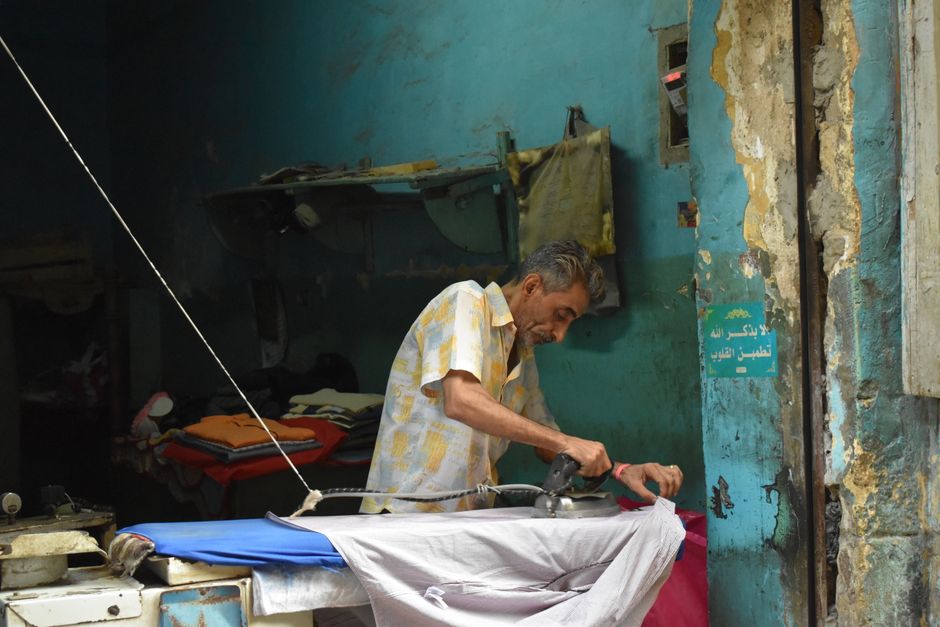
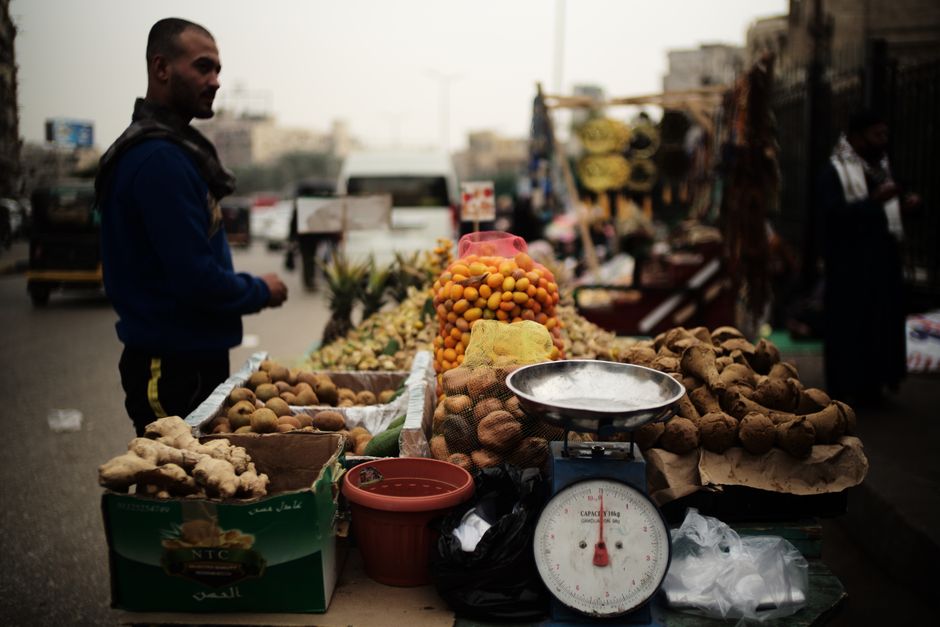
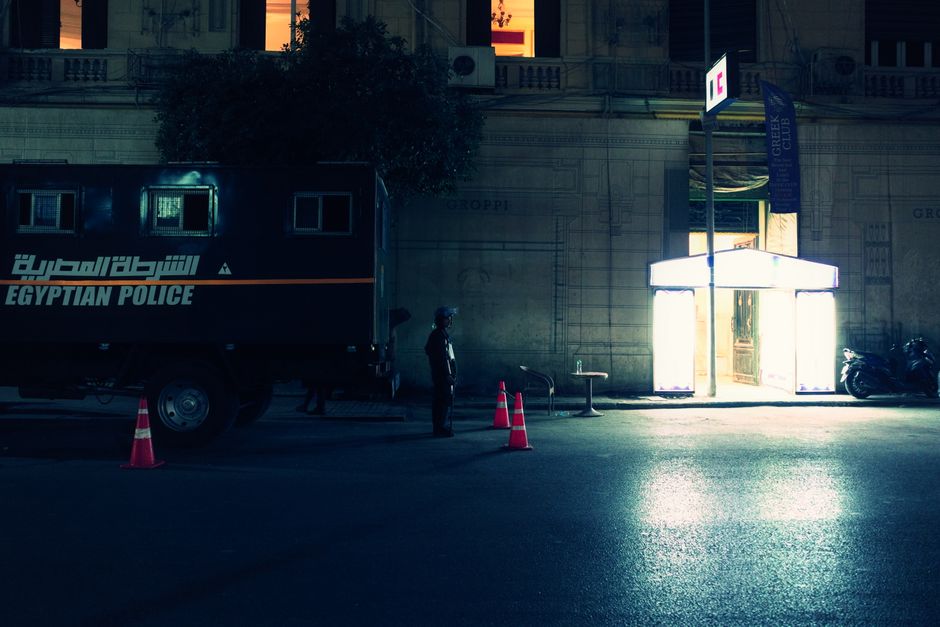
Walk through the narrow lanes of Khan el-Khalili or the modern storefronts along 26th of July Street, and you'll find Cairo's small business ecosystem thrumming with activity. But behind the hustle lies a sector under considerable strain. As mid-2026 approaches, small entrepreneurs across Egypt's capital are confronting a convergence of pressures that many describe as unprecedented in recent memory.
The most immediate challenge is energy costs. Electricity tariffs have risen 35 per cent since January, forcing workshops, cafes, and retail outlets to recalibrate their operating budgets. A typical textile workshop in Manial that once spent 8,000 EGP monthly on power now faces bills approaching 11,000 EGP. For narrow-margin businesses, this translates directly into reduced competitiveness or higher consumer prices—neither option palatable in a market already cautious about discretionary spending.
Currency volatility compounds the problem. Small importers relying on dollar-denominated supply chains have seen their input costs fluctuate wildly. A furniture maker sourcing materials from Turkish suppliers faces unpredictability that makes pricing contracts nearly impossible. Those dependent on raw material imports from Asia report that what cost 50,000 EGP in January now costs 63,000 EGP, yet customer willingness to absorb price increases remains limited.
Retail footfall in traditional commercial hubs has also shifted. Digital shopping platforms have fragmented Cairo's once-concentrated consumer base. Shop owners in Zamalek and Downtown report that walk-in traffic has declined 20-25 per cent compared to 2024, forcing painful decisions about staffing and inventory. Competing against e-commerce margins while maintaining expensive physical locations has become a calculus many cannot solve profitably.
Access to working capital remains constrained. Banks tightened lending criteria significantly, and informal credit markets—historically important for small operators—have become more expensive and unpredictable. A small cafe owner seeking to expand capacity or a workshop owner needing seasonal inventory financing faces interest rates that make expansion mathematically risky.
Perhaps most troubling is consumer sentiment. With inflation eroding purchasing power across middle and lower-income brackets, discretionary spending on non-essentials has contracted. Restaurants, boutiques, and service-based businesses have felt this acutely. The small business associations operating out of the Cairo Chamber of Commerce report that confidence indices among entrepreneurs have dropped to their lowest levels since 2021.
Yet entrepreneurs persist. Some are pivoting toward digital channels, others consolidating operations or seeking partnerships. The resilience that has always characterised Cairo's business culture remains visible—but survival increasingly demands innovation, not merely tradition.
This article was compiled by AI and screened before publishing. See our editorial standards.