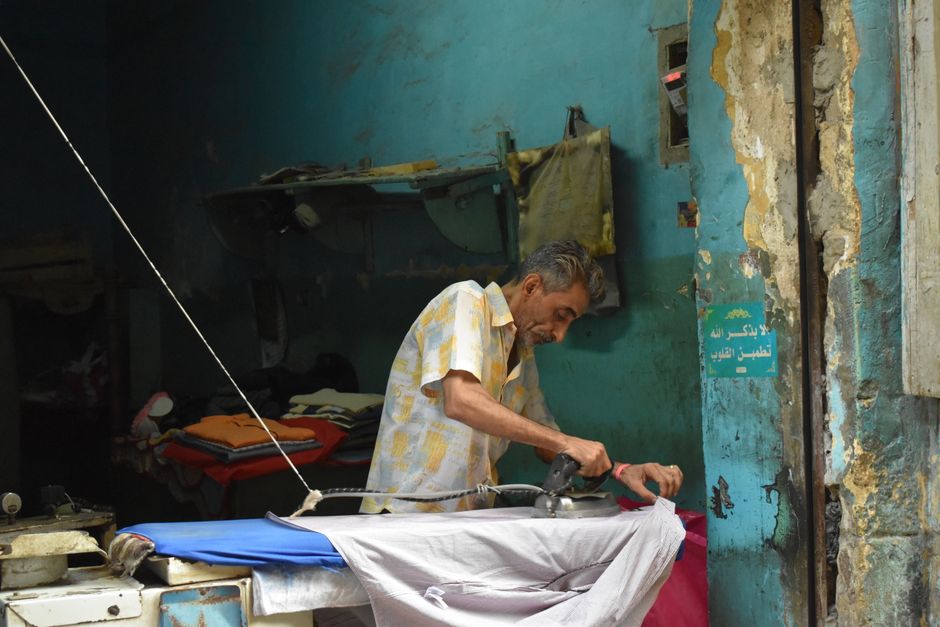
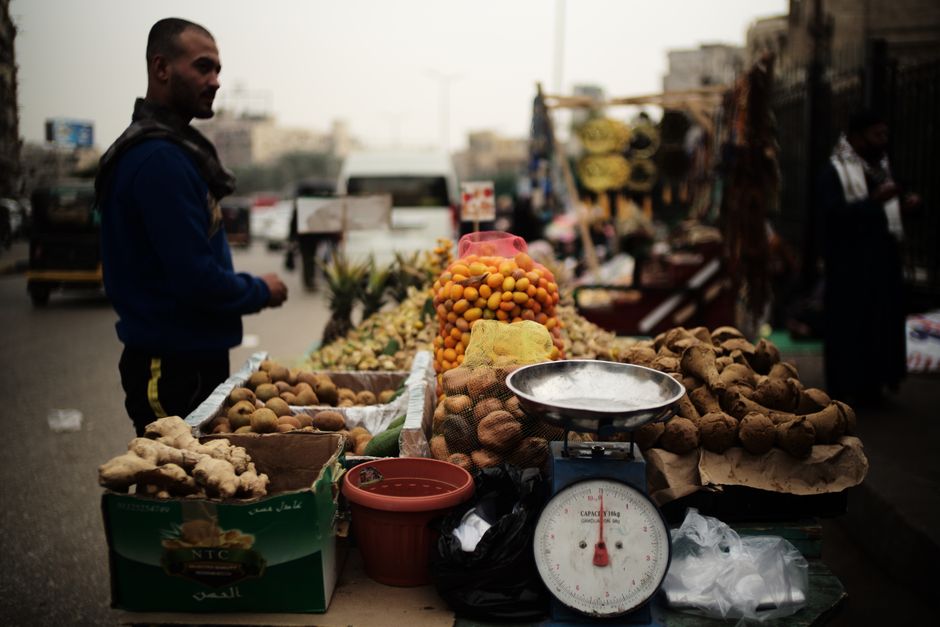
Walk through the narrow lanes of Khan El-Khalili on any given morning, and you'll notice the tension isn't just in the air—it's in the inventory. Shop owners are recalibrating their entire approach to sourcing, pricing, and customer strategy as global instability forces local entrepreneurs to become unexpected geopolitical analysts.
The latest round of Middle East tensions has created a perfect storm for Cairo's small retailers. Shipping routes face uncertainty, import tariffs are climbing unpredictably, and tourist footfall—which typically props up the historic bazaar's revenue—has become sporadic. A textile vendor operating near the Khan's main entrance estimates his margins have compressed by 18% compared to last year, while cotton and fabric costs have surged 22% due to supply chain disruptions.
Yet Cairo's entrepreneurial spirit refuses to be dampened. Business owners across Downtown Cairo, from the textile traders of Sharia Muizz to the electronics shops of Ramses Street, are pivoting toward domestic supply chains and value-added services. One spice merchant near Al-Fishawi café shifted 40% of his sourcing to Upper Egyptian producers, cutting both costs and delivery times while simultaneously supporting local agriculture.
The currency volatility alone has been a masterclass in real-time economics. When the Egyptian pound fluctuates against the dollar—a near-monthly occurrence—retailers must decide within hours whether to adjust prices or absorb losses. Those with access to financial advisory services have fared better, though most small business owners rely on informal networks and peer wisdom rather than formal counsel.
Tourism, traditionally a lifeline for Khan El-Khalili merchants, remains unpredictable. June bookings typically run 35-40% higher than they currently are, according to informal surveys by business associations in the area. Entrepreneurs who diversified into e-commerce platforms and delivery services—a pivot accelerated during pandemic lockdowns—now report these channels account for 25-30% of their revenue.
The silver lining? Global uncertainty has created unexpected opportunities for businesses focused on local consumption and regional resilience. Entrepreneurs stocking Egyptian-made goods, emphasizing quality over quantity, and building community trust are discovering that hyperlocal strategies sometimes outperform traditional supply models.
As geopolitical temperatures remain elevated and international trade becomes increasingly unpredictable, Cairo's small business owners continue doing what they've done for centuries: adapt, innovate, and survive. Their agility may be the city's most underrated competitive advantage.
This article was compiled by AI and screened before publishing. See our editorial standards.