The narrow lanes of Islamic Cairo have always whispered stories to those willing to listen. But transforming those whispers into a viable business model—one that draws international visitors willing to pay premium rates—requires more than nostalgia. It requires vision.
Over the past four years, a clutch of independent hospitality entrepreneurs have begun redefining Cairo's tourism landscape, moving beyond the tired hotel-and-monument circuit. At the forefront is a network of boutique experiences centred around authentic culinary tourism and neighbourhood immersion programmes, generating an estimated £8–12 million annually for participating local operators and craftspeople.
The shift matters. Egypt's tourism sector, worth roughly $13 billion pre-pandemic, has recovered to approximately 65% of 2019 levels. But growth has been uneven. While mega-resorts along the Red Sea coast have rebounded, Cairo's downtown and historic quarters—home to the Khan el-Khalili bazaar, the Citadel, and countless heritage sites—have struggled to capture their share of rising visitor demand.
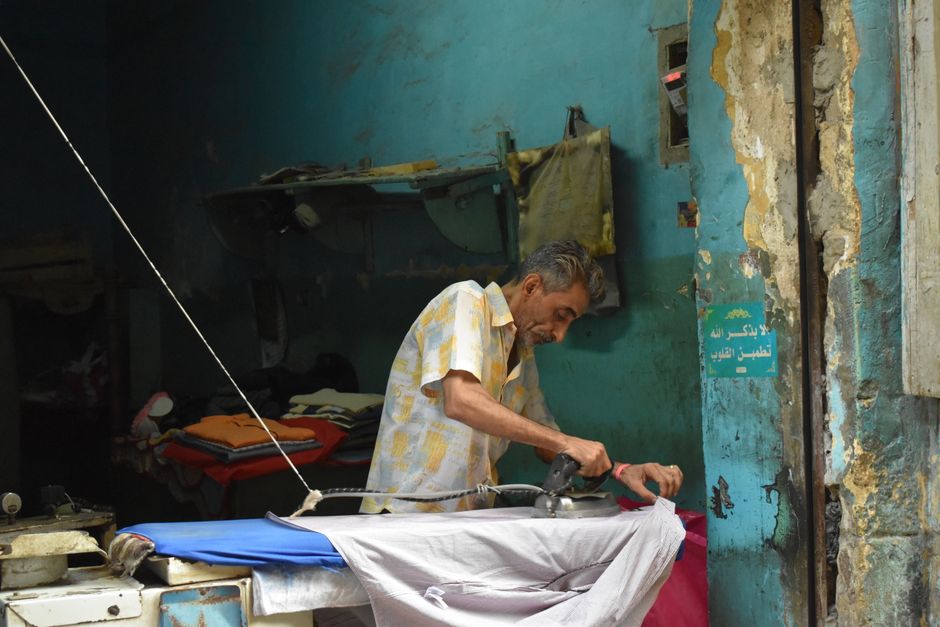
Local entrepreneurs have spotted the gap. Small-scale operators now curate multi-day experiences combining cooking classes in family kitchens across Garden City and Zamalek, guided tours of artisan workshops in Islamic Cairo, and evening storytelling sessions in restored heritage houses. Entry prices typically range from £120–300 per person per day—considerably higher than traditional tour packages, but justified by exclusivity and authenticity.
One particularly successful model involves partnering with local women's cooperatives in the Sayida Zeinab district to offer hands-on sessions preparing traditional dishes like koshari and ful medames. Participating women earn between £60–100 per session, effectively creating supplementary income streams for families while showcasing their culinary heritage. By year's end, organisers estimate these programmes will have engaged over 400 local participants and welcomed roughly 8,000 international visitors.
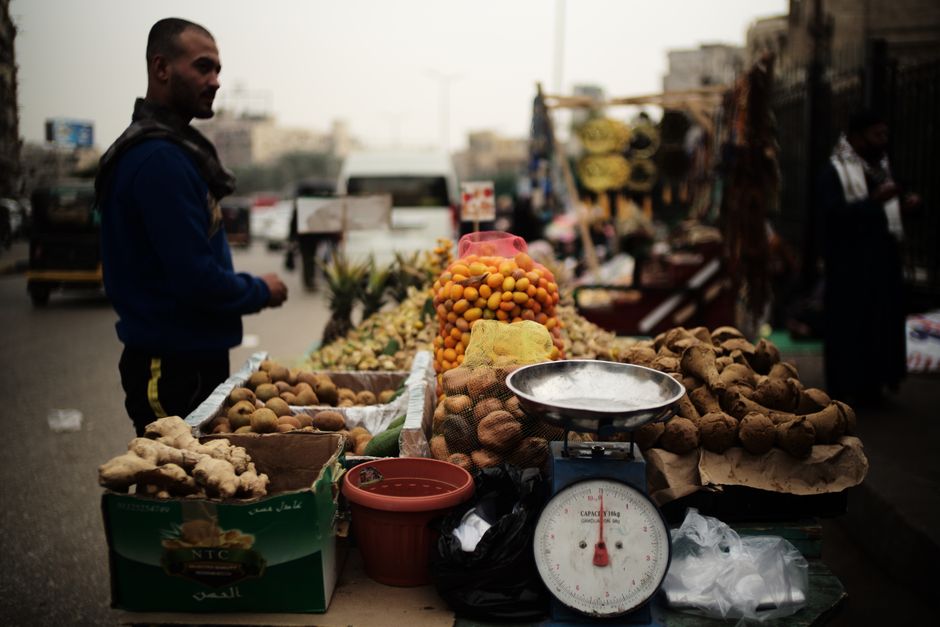
The ripple effects extend beyond direct revenue. Participating neighbourhoods report increased foot traffic, spurring growth in independent cafés, handicraft shops, and small hotels. Several operators have begun training young Cairenes in hospitality management and cultural interpretation, addressing long-standing skills gaps in Egypt's tourism workforce.
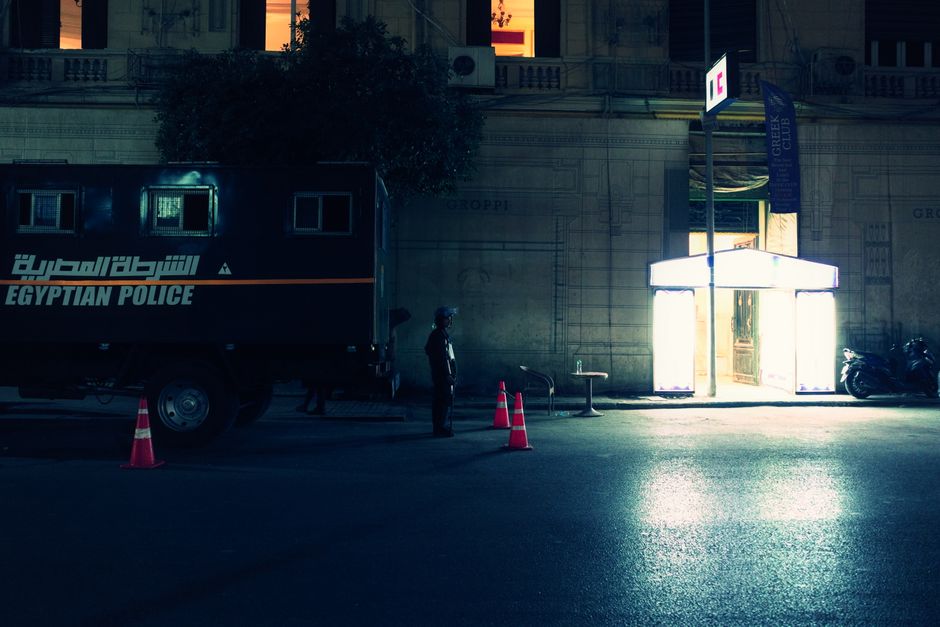
Challenges remain: inconsistent infrastructure, occasional security concerns, and competition from cheaper mass-market alternatives all pose obstacles. Yet momentum is building. Booking platforms report Cairo experiences now account for nearly 18% of Egypt-related bookings on certain platforms—up from 8% two years ago.
As summer travel season accelerates, these homegrown ventures offer a blueprint: sustainable tourism growth rooted in local expertise, authentic storytelling, and equitable profit-sharing. For Cairo, it's a reminder that the city's greatest asset isn't its monuments—it's the people who keep them alive.
This article was compiled by AI and screened before publishing. See our editorial standards.