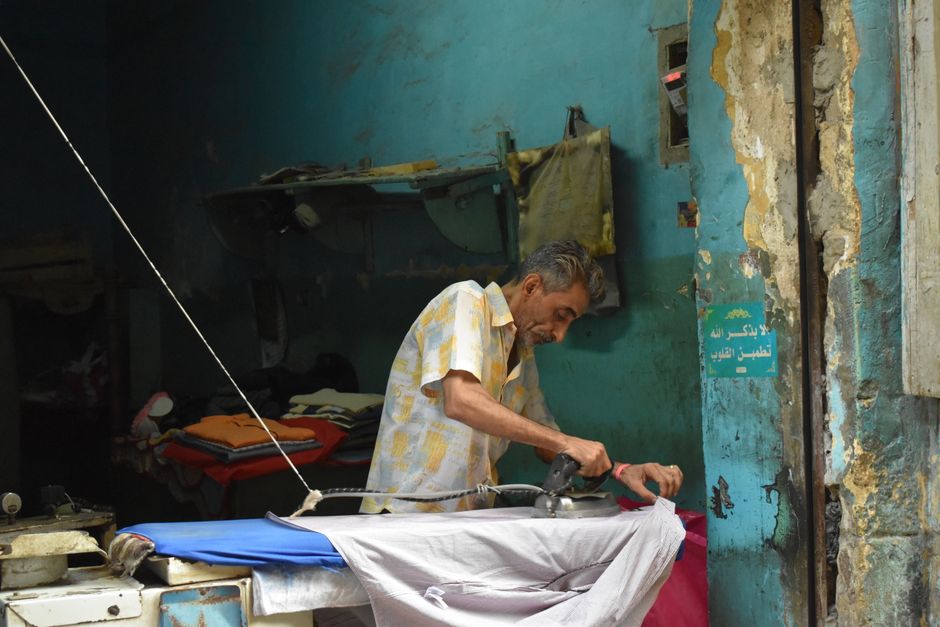
Cairo's Office Exodus: How Remote Work is Rewriting the City's Talent and Employment Landscape
As multinational firms abandon downtown towers for hybrid models, Cairo's job market is splintering into winners and losers.
As multinational firms abandon downtown towers for hybrid models, Cairo's job market is splintering into winners and losers.
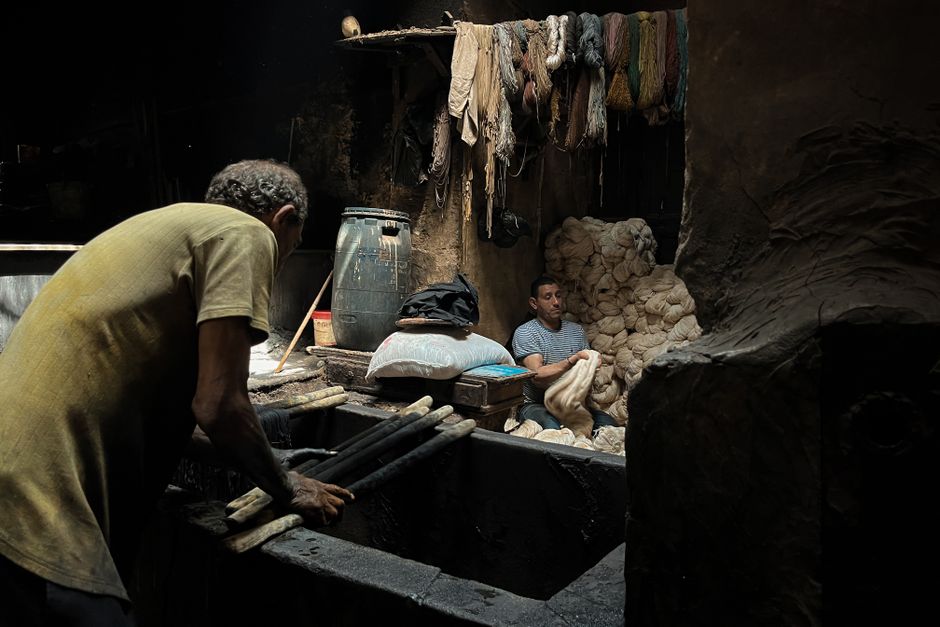
The gleaming office parks of New Cairo and the renovated compounds along the Ring Road tell a story Cairo's business establishment would rather not discuss: emptiness. Walk past the chrome-and-glass facades on Ali Sabri Street or venture into the business districts clustered near the American University in Cairo, and you'll spot a troubling pattern—prime office space sitting dark, lease rates plummeting, and landlords desperate to fill vacancies with just about anyone willing to sign.
According to commercial property consultants tracking the market, Grade-A office space in New Cairo has dropped from 180 Egyptian pounds per square metre monthly in early 2024 to approximately 145 pounds today. In Heliopolis and Garden City, where Cairo's established business class once commanded premium rents, the downturn is equally severe. The culprit: a structural shift toward remote and hybrid working arrangements that gained momentum during the pandemic and shows no signs of reversing.
For employers, this is liberation. Multinationals with operations in Egypt—tech firms, consulting houses, and financial services companies—have discovered they can downsize their Cairo footprints dramatically while maintaining productivity. One major international consulting firm reduced its Zamalek office by nearly 40 percent this year, consolidating teams and pushing two days a week on-site mandates. The savings are substantial, and shareholder reports reflect it.
For Cairo's talent ecosystem, however, the fallout is far more complicated. The office market contraction is creating a stark bifurcation: high-skilled professionals in tech, finance, and digital services—those whose work translates seamlessly to remote settings—are winning. They're negotiating flexible arrangements, relocating to less expensive neighbourhoods, and avoiding the grueling commutes across congested highways from places like 6th of October City or New Administrative Capital satellite offices.
Mid-tier administrative and support roles are the losers. Receptionists, office managers, and junior coordinators face shrinking demand. Entry-level positions, traditionally a gateway for graduates from Cairo's universities into formal employment, are being eliminated or consolidated. Graduate placement agencies report growing difficulty placing candidates in administrative roles compared to three years ago.
Commercial real estate developers are pivoting. Coworking operators are expanding rapidly across Dokki, Maadi, and Sheikh Zayed, betting that Cairo's workforce prefers proximity to home over prestige office addresses. Meanwhile, landlords are converting underutilized office blocks into mixed-use developments with retail and residential components.
The paradox is stark: Cairo's business landscape is becoming simultaneously more flexible and more unequal, rewarding knowledge workers while quietly displacing those in support roles.
This article was compiled by AI and screened before publishing. See our editorial standards.
How does this story make you feel?
Spread the word
About this article
Published by The Daily Cairo
Daily brief
Free, in your inbox before 7am. Weekdays.
More in Business