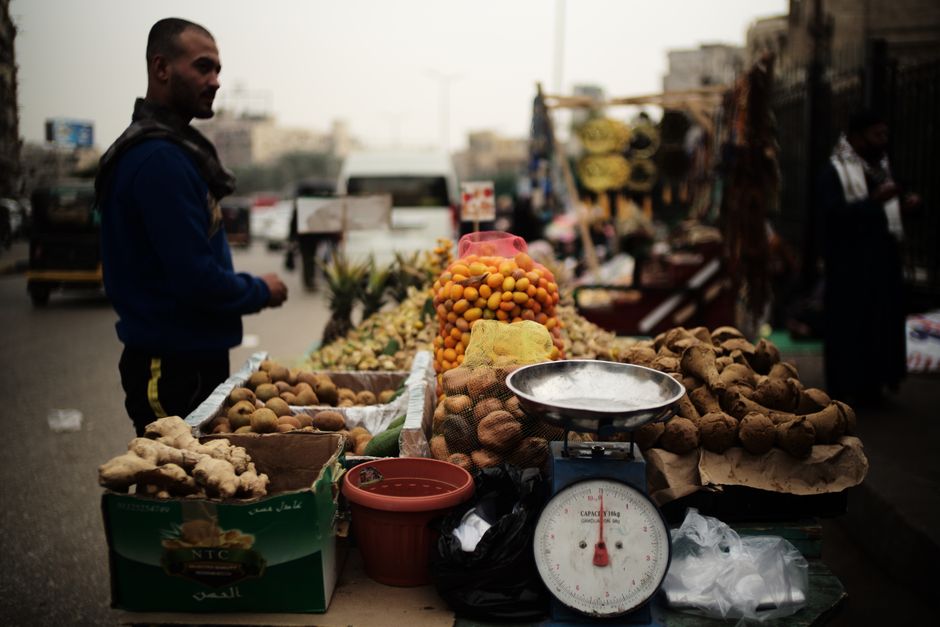
Cairo's cost-of-living squeeze has become impossible to ignore. A kilogramme of beef that cost 180 Egyptian pounds two years ago now routinely sells for 280 pounds at the butchers along 26th of July Street in Zamalek. Rent in Heliopolis has surged 35 per cent since 2024. Yet amid this widespread hardship, an unexpected beneficiary class has emerged: fintech platforms, microfinance operators, and property developers offering bite-sized loans and fractional real estate investments.
The Central Bank of Egypt reported inflation at 27.4 per cent in May, hammering middle-income households. Traditional banks have tightened credit lines, leaving millions of ordinary Cairenes locked out of conventional financing. This vacuum has created fertile ground for alternative lenders. Companies operating from office parks in New Cairo's R3 district are now processing loan applications in minutes via mobile apps, targeting the city's growing gig economy workforce—couriers, freelancers, and informal traders squeezed by rising living costs.
Property investors have similarly sensed opportunity. Developers are now marketing studios and one-bedroom units in outer neighbourhoods like New Administrative Capital extensions and New Cairo Phase 7 on instalment schemes unthinkable five years ago. Marketing executives at major real estate firms report surging inquiries from middle-class families displaced from central Cairo who are desperate for affordable options. A modest two-bedroom apartment in Maadi that once required substantial upfront capital now comes with payment plans spread across fifteen years.
Early investors in these fintech platforms have seen remarkable returns. Several Cairo-based venture funds focused on financial inclusion have raised capital from international impact investors betting on the region's financial desperation becoming a sustainable business model. One fund manager noted that loan default rates remain manageable because borrowers have few alternatives.
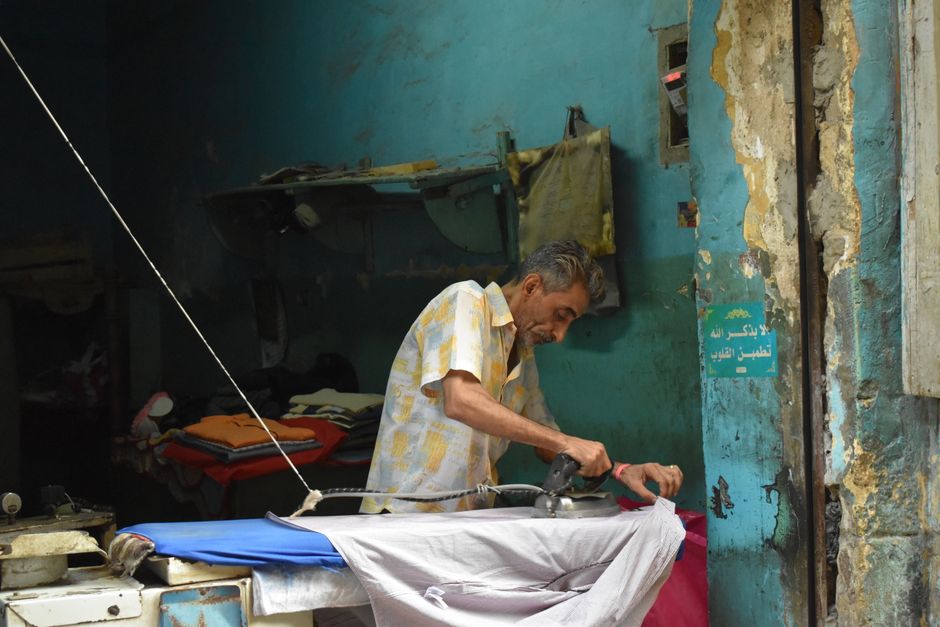
However, the human cost remains stark. Families in working-class areas like Shubra and Ain Shams report cutting meal portions and withdrawing children from private schools. Wages have not kept pace with expenses. The Egyptian pound's recent volatility has made imported goods—from electronics to medicines—effectively unaffordable for most.
The irony is sharp: the same crisis impoverishing Cairo's ordinary residents is enriching those positioned to profit from their desperation. Fintech founders and real estate moguls operating from climate-controlled offices in Sheikh Zayed City are building wealth on the back of the city's financial strain. Regulatory bodies have begun examining lending practices, but enforcement remains inconsistent. For now, Cairo's new financial divide widens—between those offering solutions at premium margins and those left with no choice but to accept them.
This article was compiled by AI and screened before publishing. See our editorial standards.