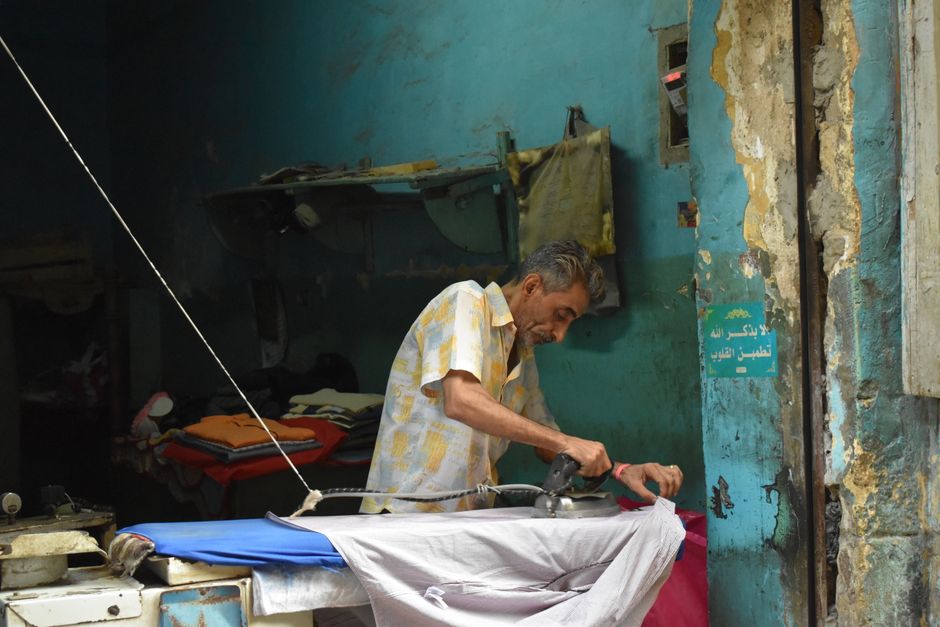
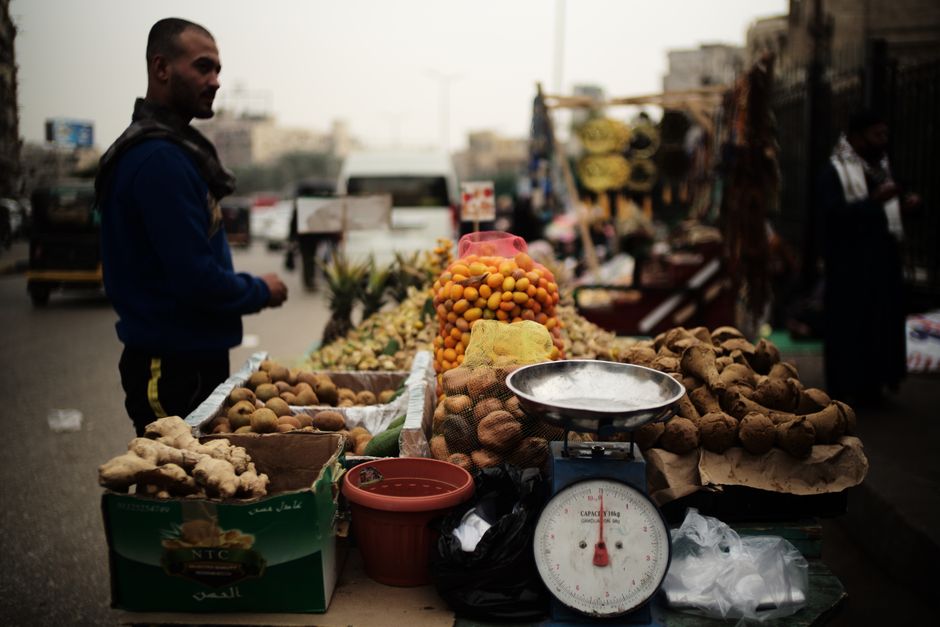
Walk through the trading floors of the Cairo Chamber of Commerce in downtown Zamalek this week, and you'll hear the same refrain from textile merchants, pharmaceutical distributors, and technology retailers: global instability is hitting local margins harder than ever.
The tentative U.S.-Iran diplomatic overtures being negotiated in Qatar are sending shockwaves through Egypt's business ecosystem. With roughly 12 per cent of global maritime traffic passing through the Suez Canal annually—a critical artery for Egyptian customs revenue and regional logistics companies—any disruption to Middle Eastern stability directly impacts firms operating from the Nasr City industrial zone to the export warehouses of New Cairo.
"Shipping insurance premiums have climbed 18 per cent since March," explains a manager at a mid-sized export firm based in the Sixth of October City industrial compound, requesting anonymity. "That's eating into margins we can't easily pass to European or North American buyers without losing contracts."
The broader geopolitical backdrop compounds these pressures. High-profile resource deals in Africa—particularly mining interests that could reshape commodity flows—are already triggering ripple effects in how Cairo's raw material suppliers price contracts. Manufacturers dependent on imported metals, fertilisers, and chemicals are bracing for volatility through 2027.
Yet there are opportunities embedded in this uncertainty. The Cairo Free Zone Authority has seen increased interest from Middle Eastern trading houses seeking to relocate distribution hubs westward, away from elevated regional risks. Several firms are exploring partnerships with Egyptian logistics providers to service European and African markets simultaneously, effectively using Cairo as a de-risking hub.
For SMEs clustered around Khan El-Khalili's merchant quarter and the newer business parks in New Administrative Capital, the calculus is sharper. A decline in global risk appetite could dampen luxury goods demand, but the same instability is likely to drive regional clients toward trusted Egyptian suppliers of essentials—pharmaceuticals, food products, textiles—rather than untested alternatives.
The Central Bank of Egypt's recent monetary tightening, itself partly responsive to global conditions, remains a complicating factor for working capital. Yet dollar liquidity in the banking sector has remained relatively stable, a buffer that's protecting many traders so far.
As negotiations unfold in the coming weeks, Cairo's business community is watching less for headlines and more for the fine print: shipping routes, insurance tables, and supply contract clauses. Global power plays are no longer distant abstractions—they're immediate operational realities reshaping how Egyptian firms compete and survive.
This article was compiled by AI and screened before publishing. See our editorial standards.