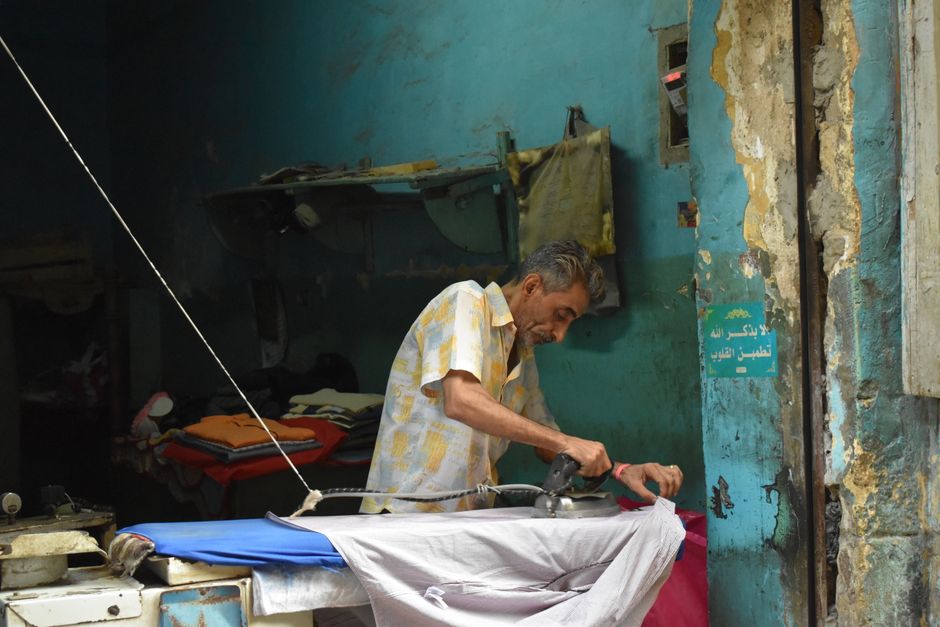
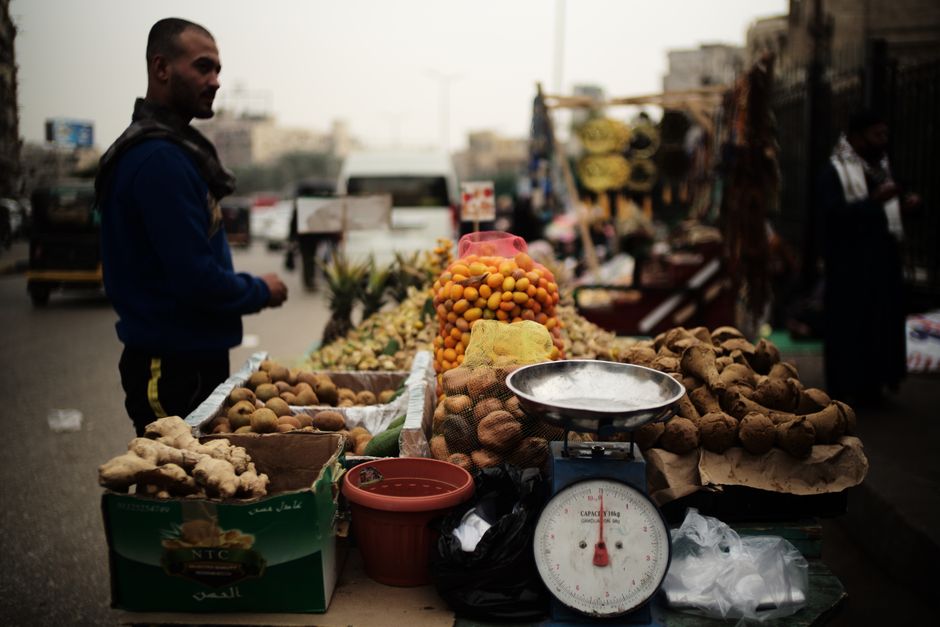
Walk through the narrow lanes of Khan el-Khalili after sunset, or grab coffee at any of the pop-up cafés now dotting Zamalek's 26th of July Street, and you'll notice something unmistakable: Cairo's job market is transforming beneath the surface, driven not by multinational corporations or government initiatives, but by thousands of young entrepreneurs launching micro-businesses from converted apartments, shared workshops, and market stalls.
This shift is reshaping how talent flows through Egypt's capital in ways that traditional recruiters are only beginning to understand. According to informal surveys by Cairo's Chamber of Commerce, roughly 67% of university graduates under 30 now pursue freelance or small-business ventures within their first five years, compared to 41% a decade ago. The numbers suggest a fundamental recalibration of Cairo's employment ecosystem.
The trend is visible in neighbourhoods like Maadi and Heliopolis, where co-working spaces have become as common as falafel carts. Spaces like those clustered near Zamalek's AUC campus are now incubators for digital marketers, graphic designers, and content creators who—unable to find salaried positions offering competitive salaries—have opted instead to build their own client bases. Monthly membership fees typically range from 500 to 1,500 Egyptian pounds, a fraction of traditional office overhead.
What's particularly striking is how this shift is democratizing opportunity. Young Egyptians lacking connections to established firms or family business networks now have pathways to income that bypass gatekeeping entirely. A 24-year-old from Ain Shams can launch an Instagram marketing consultancy for under 2,000 pounds. A graphic designer from Giza can build a portfolio and attract clients across the Middle East without ever setting foot in a corporate office.
But the trend presents challenges too. Labour protections, health insurance, and retirement security remain absent for most micro-entrepreneurs. Tax compliance remains murky, creating friction between the informal economy and state authorities. Competition is fierce—oversupply of freelance designers and virtual assistants has depressed rates across creative industries by an estimated 20-30% since 2022.
Yet Cairo's established businesses are adapting. Mid-sized firms increasingly outsource to these micro-entrepreneurs rather than hiring permanent staff, a shift that allows flexibility but fragments traditional career progression. Talent development agencies and recruitment firms are scrambling to understand and categorize this decentralized workforce.
The implications are profound. As Cairo's job market fragments into thousands of micro-enterprises, traditional notions of employment, loyalty, and institutional identity are dissolving. Whether this represents liberation or precarity—or both—remains an open question for the city's economic future.
This article was compiled by AI and screened before publishing. See our editorial standards.