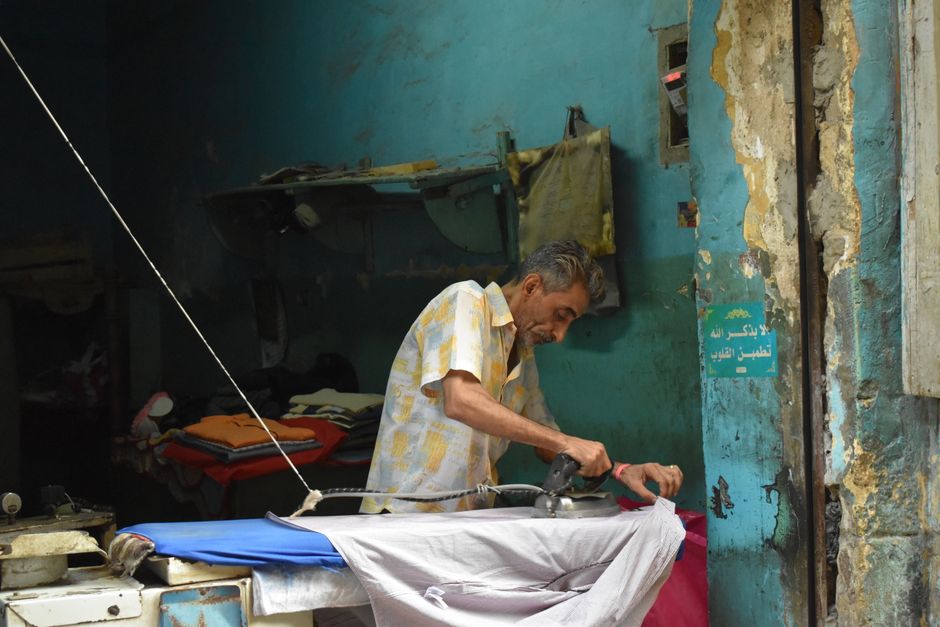
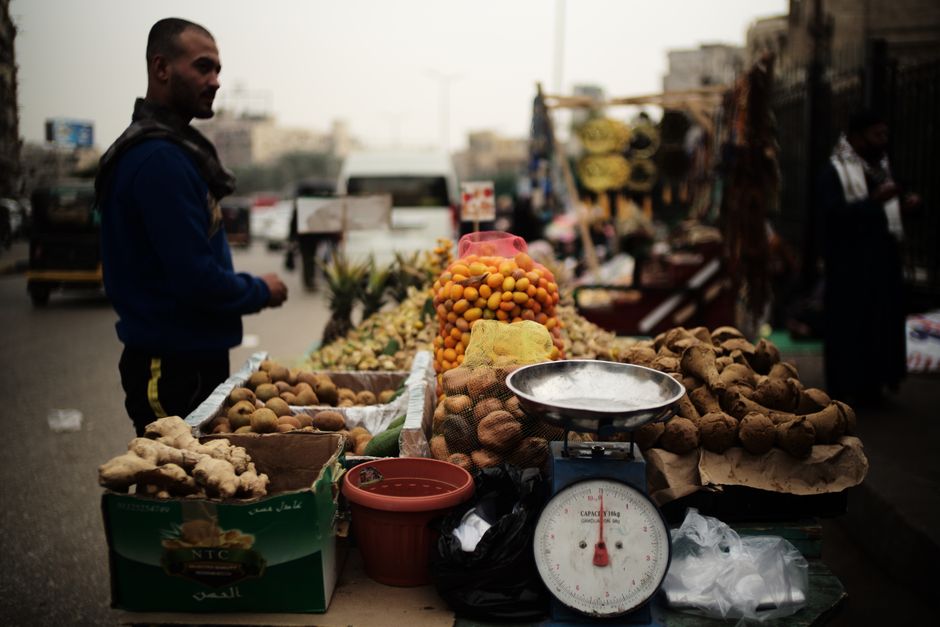
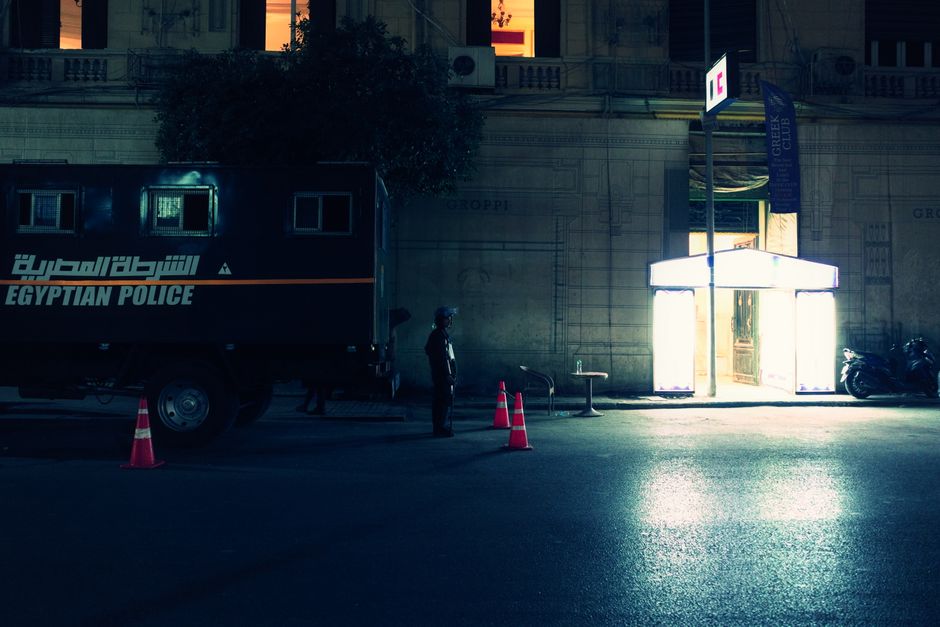
Walk along Zamalek's tree-lined streets or through the bustling Khan el-Khalili district, and you'll notice the telltale signs of strain in Cairo's hospitality sector. Dimmed marquees. Reduced opening hours. Menu prices that have climbed 25-30% in the past eighteen months. The city's vibrant food and hospitality industry—long a economic engine and cultural cornerstone—is navigating a treacherous landscape as 2026 unfolds.
Currency volatility remains the most pressing headwind. The Egyptian pound's fluctuations against major currencies have squeezed importers of ingredients, wines, and hospitality equipment, particularly those operating along the high-end dining corridor stretching from Downtown Cairo to the Nile-side establishments of Maadi. A general manager at a mid-range hotel chain in Heliopolis reported that imported goods now consume 40% more of their operating budget than a year ago, forcing difficult choices between maintaining quality and raising prices that could alienate customers.
Energy costs compound the crisis. With electricity tariffs climbing and natural gas supply uncertainties persisting, operational expenses for kitchens, refrigeration, and climate control have become substantial. A survey of fifty establishments across Giza and central Cairo suggested that energy alone now represents 15-18% of monthly running costs, up from 11% in early 2025.
Yet the challenges extend beyond mathematics. Consumer behaviour is shifting markedly. Middle-class Cairenes are dining out less frequently, redirecting discretionary spending toward essentials. Tourist footfall—critical for premium establishments in central locations—remains unpredictable. International visitor numbers remain 12-15% below pre-pandemic baselines, according to industry associations, crimping revenue for the five-star hotels and riverside restaurants that once thrived on foreign exchange.
Labour availability presents another persistent puzzle. Many hospitality workers have migrated to Gulf countries or shifted to other sectors offering better wages and stability. Finding trained kitchen staff and service personnel in competitive Cairo neighbourhoods like Garden City and Dokki has become markedly harder, pushing wage expectations upward even as margins compress elsewhere.
Some operators are adapting. Casual dining concepts and cloud kitchens are gaining traction as alternatives to traditional models. Others are investing in local sourcing and seasonal menus to reduce import dependency. Yet these adjustments take time and capital—luxuries few can afford during an economically turbulent year.
Industry observers suggest the sector will stabilise only once macroeconomic conditions ease. Until then, Cairo's restaurant owners and hospitality professionals face a year of difficult navigation, strategic pivots, and cautious optimism that recovery lies ahead.
This article was compiled by AI and screened before publishing. See our editorial standards.