Walk through the morning markets of Zamalek or grab coffee in Downtown Cairo, and you'll notice the same conversation repeating: everything costs more. But understanding what's actually happening to your wallet—and how to navigate it—requires looking beyond the headline numbers.
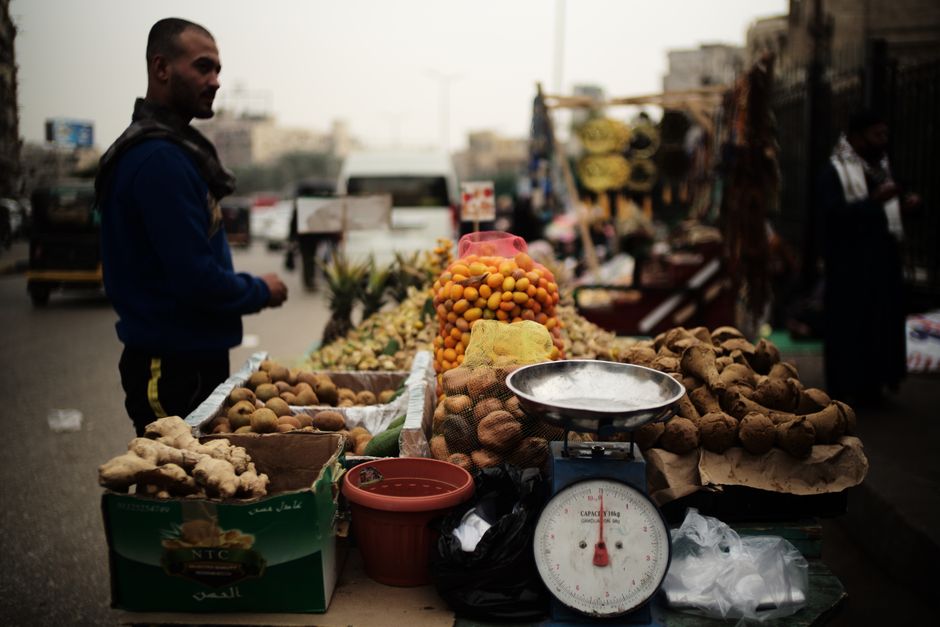
Inflation in Egypt has remained stubbornly elevated, with food prices seeing some of the sharpest increases. A kilogram of chicken that cost 45 Egyptian pounds two years ago now routinely sells for 70-80 pounds at vendors near Tahrir Square and the Khan el-Khalili bazaar. Bread, the staple that feeds millions of Cairo's residents, has become a monthly budget concern rather than an afterthought. These aren't abstract economics—they're real pressures on families across Garden City, Heliopolis, and working-class neighbourhoods like Shubra.
For those with savings, the challenge has shifted entirely. Bank deposit rates have climbed to attract savers, with some institutions offering 20-24% on Egyptian pound accounts. Yet this only tells half the story. When inflation runs at 25-30% annually for essential goods, savings barely keep pace with purchasing power erosion. Residents seeking to preserve wealth face a painful choice: accept modest returns in banks, take currency risk with dollar accounts, or explore other vehicles—though investment opportunities remain concentrated and sometimes opaque for ordinary citizens.
Rent pressures compound the squeeze. In upscale areas like Maadi and New Cairo, landlords have begun demanding annual increases of 10-15%, far above general inflation. Even middle-income neighbourhoods like Nasr City and Katameya have seen steady creep. Public transportation costs have risen, with metro fares and minibus journeys consuming larger portions of daily budgets. Utility bills—electricity and water—now arrive as genuine shock items for many households.
What can ordinary Cairenes actually do? Financial advisors suggest residents audit their spending ruthlessly, identify non-essential expenses, and consider inflation-linked strategies like shifting to dollar savings if they have hard currency access. For those dependent on fixed incomes—pensioners, teachers, office workers—the situation remains acute. Government subsidies on bread and fuel provide critical cushions, but they cannot fully offset broader price movements.
The broader lesson: Cairo's cost of living surge isn't temporary. Residents should focus on income growth where possible, resist consumption creep, and accept that traditional savings patterns may no longer preserve wealth. The city's vibrancy remains undimmed, but navigating it now requires sharper financial awareness than ever.
This article was compiled by AI and screened before publishing. See our editorial standards.