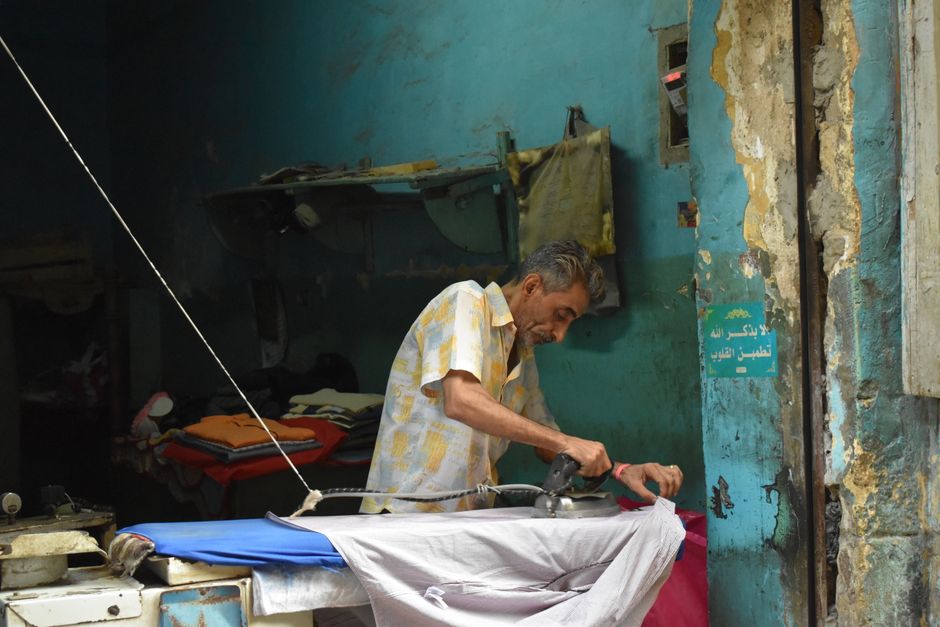
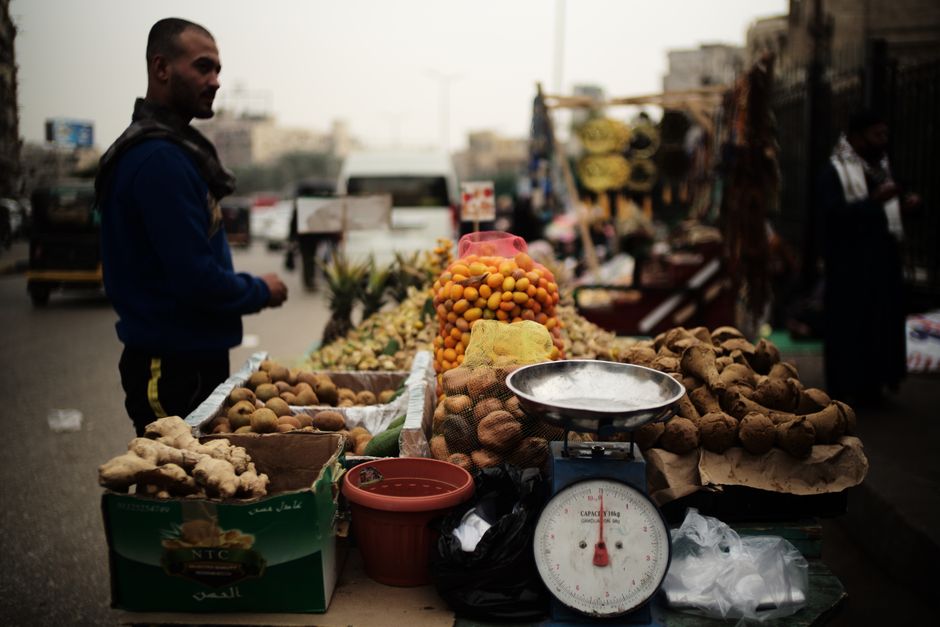
Walk down any street in Islamic Cairo or through the bustling Khan el-Khalili district, and you'll encounter the city's lifeblood: small entrepreneurs operating spice stalls, vegetable carts, and family-run shops that have served their neighbourhoods for generations. Yet many residents remain unaware of the mounting challenges these traders face—pressures that are quietly reshaping the cost and availability of goods ordinary Cairenes depend on daily.
Recent market surveys indicate that informal sector traders—who account for roughly 60 per cent of retail commerce in Greater Cairo—are navigating a perfect storm. Rising wholesale prices, increased vendor licensing fees in areas like Zamalek and Garden City, and competition from larger supermarket chains have compressed profit margins to razor-thin levels. A vendor operating near Abdeen Palace, for instance, reported that his cost to acquire fresh produce has risen by nearly 18 per cent over the past eighteen months, yet customer expectations for competitive pricing remain unchanged.
What does this mean for everyday consumers? First, expect incremental price increases at your local markets. Second, recognise that the disappearance of small vendors doesn't simply mean fewer shopping options—it threatens the informal support networks that sustain many Cairo households. These traders often extend credit to regular customers during lean months, a lifeline unavailable at chain stores.
The broader economic picture is equally critical. The International Labour Organisation estimates that Cairo's informal economy employs over 3.8 million people. When small business operators struggle, their employees—often earning between 3,500 and 5,500 Egyptian pounds monthly—face reduced hours or job losses. This ripples through poorer neighbourhoods like Bulaq and Rod El Farag, where formal employment opportunities are scarce.
Government initiatives to formalise the informal sector, while well-intentioned, have sometimes backfired. New registration requirements have deterred younger entrepreneurs from entering the market, creating a generational gap in Cairo's commercial fabric.
For residents, the takeaway is straightforward: the vendors you pass daily are not simply merchants—they're economic anchors. Their survival directly affects inflation you experience at the checkout, employment in your neighbourhood, and the accessibility of goods for lower-income households. Understanding this connection transforms a simple market transaction into recognition of a fragile but essential ecosystem sustaining Cairo's economic resilience.
This article was compiled by AI and screened before publishing. See our editorial standards.