The transformation is visible on Garden City's tree-lined streets: prime office space on Kasr El Aini Street sits partially vacant, while landlords scramble to attract tenants with aggressive rent reductions. Meanwhile, in the New Administrative Capital's gleaming business district, leasing activity has surged 340 percent since 2024, according to property consultants tracking the market.
This seismic shift in Cairo's commercial property landscape is fundamentally altering where Egypt's professionals work, live, and build their careers. For decades, Garden City, Downtown Cairo, and the Heliopolis corridor have anchored the nation's business elite. Today, those neighbourhoods face an existential challenge as government tax incentives and purpose-built infrastructure lure multinational corporations and Egyptian enterprises eastward.
"We're seeing a two-tier market emerging," explains the commercial real estate sector, where Grade A office space in New Cairo commands 350–450 Egyptian pounds per square meter annually, while comparable downtown properties have slipped to 280–320 pounds. The gap is widening.
The implications for Cairo's talent ecosystem are profound. Young professionals, particularly in finance, technology, and consulting, now face a choice: commute two hours daily from central Cairo into a sprawling new city, or relocate entirely. Several multinational banks have already established satellite operations in the New Capital, creating career pathways that don't require the central office presence that once defined Egypt's business culture.
This has triggered unexpected consequences. Housing demand in traditional middle-class neighbourhoods like Maadi and Zamalek—long preferred by Cairo's corporate workforce—has softened, with rental yields declining 8–12 percent year-over-year. Conversely, residential developments near the New Capital's business zones are absorbing significant investment, reshaping demographic patterns and local infrastructure spending.
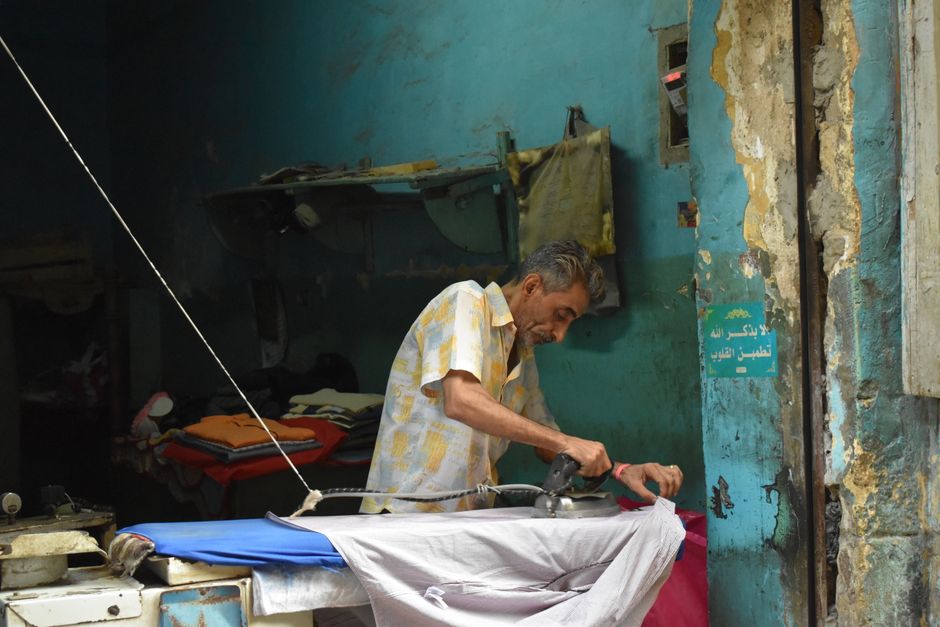
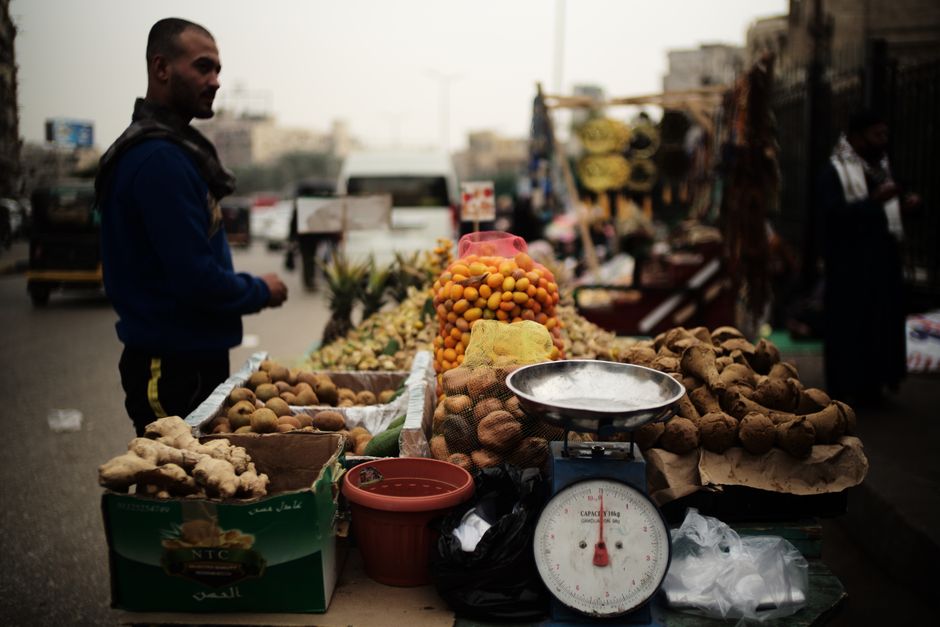
Local commercial ecosystems face disruption too. The coffee shops, restaurants, and service providers clustered around Tahrir Square and the AUC area depended on foot traffic from office workers. Their absence is felt acutely.
Property developers are adapting. Several are repositioning downtown Cairo offices as co-working hubs and flexible-space venues, targeting startups and small enterprises priced out of premium locations. The Nile-adjacent developments in Zamalek are pivoting toward mixed-use models combining residential, retail, and boutique office space.
The trend reflects a broader reality: Egypt's commercial geography is being rewritten by policy incentives and infrastructure investment. For Cairo's job market, the question is whether the city can retain its talent magnetism while its traditional business districts face restructuring. The answer will shape Egypt's economic competitiveness for the next decade.
This article was compiled by AI and screened before publishing. See our editorial standards.