Cairo's thriving hospitality and food sector is confronting an uncomfortable reality: what happens in Venezuela, the Middle East, and beyond no longer stays there. The cascading effects of global instability are now reshaping everything from menu costs in Downtown Cairo's bustling restaurant quarter to occupancy rates at five-star properties overlooking the Nile.
The most immediate pressure is felt at the import level. Hoteliers and restaurant operators across Garden City, Zamalek, and New Cairo have reported a 12–15% increase in procurement costs over the past quarter, driven largely by supply chain disruptions linked to regional tensions. Premium ingredients—particularly imported seafood, specialty cheeses, and quality beef—now carry significantly higher freight premiums. A senior manager at a mid-range hospitality group operating six venues across the city confirmed that sourcing European wines and imported spirits has become 25% more expensive than last year, forcing difficult choices between absorbing costs or passing them to customers.
Tourist arrivals tell another story. While Cairo's iconic hotels—from properties near Tahrir Square to luxury resorts in New Cairo—reported strong numbers in early 2026, the recent uptick in geopolitical uncertainty has triggered visible booking cancellations. Travel agencies along Talaat Harb Street report that corporate groups and leisure travellers from North America and Western Europe are either postponing trips or reducing their length of stay. This directly impacts F&B revenue, where extended dining and bar spend typically cushions room rate margins.
Local restaurant owners are adapting tactically. Several establishments in the trendy Maadi neighbourhood have shifted their sourcing strategies toward locally-produced alternatives—Egyptian cheeses replacing imported varieties, and farm-sourced vegetables reducing reliance on cold-chain imports. This reduces costs but requires menu redesign and retraining staff familiar with international standards.
Currency volatility compounds the challenge. The Egyptian pound's recent fluctuations against the dollar have made budgeting precarious for establishments with dollar-denominated supplier contracts. Labour costs, meanwhile, remain stable but increasingly difficult to justify when raising menu prices drives price-sensitive diners to informal venues or delivery apps.
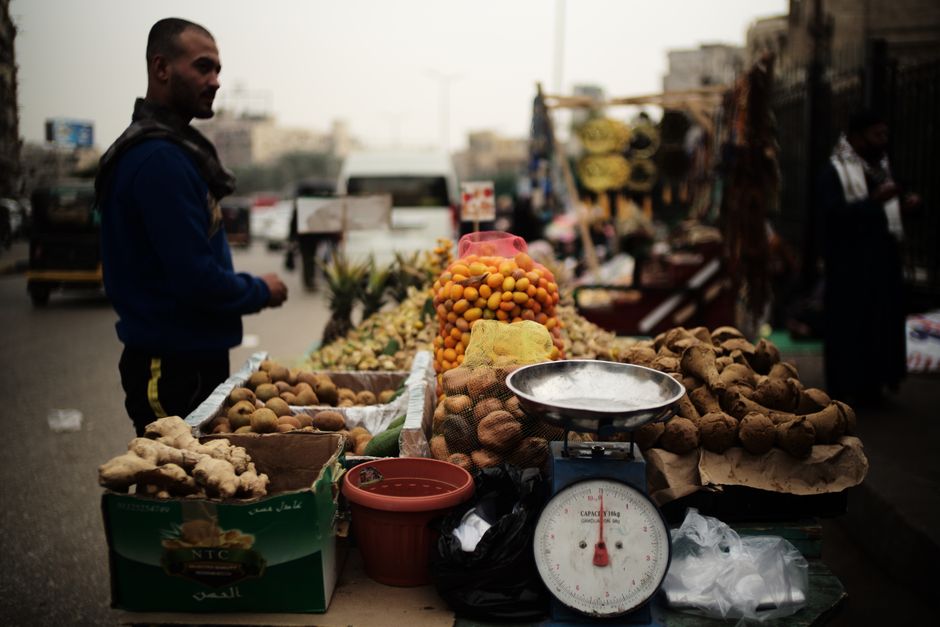
Yet there are unexpected beneficiaries. Smaller, independent cafés and street-food vendors operating along Mohamed Mahmoud Street and in Islamic Cairo face lower barriers and operate with leaner supply chains. Some upscale restaurants are doubling down on local sourcing as a marketing angle, positioning themselves as authentically Egyptian rather than cosmopolitan.
Industry observers suggest Cairo's hospitality sector will likely stabilise around modestly elevated prices and a recalibration toward domestic supply chains—a shift that could reshape the city's food culture for years to come.
This article was compiled by AI and screened before publishing. See our editorial standards.