Global Uncertainty Reshapes Cairo's Office Market as Multinationals Recalculate
Rising geopolitical tensions and shifting investment patterns are forcing Cairo's commercial property sector to adapt in real time.
Rising geopolitical tensions and shifting investment patterns are forcing Cairo's commercial property sector to adapt in real time.
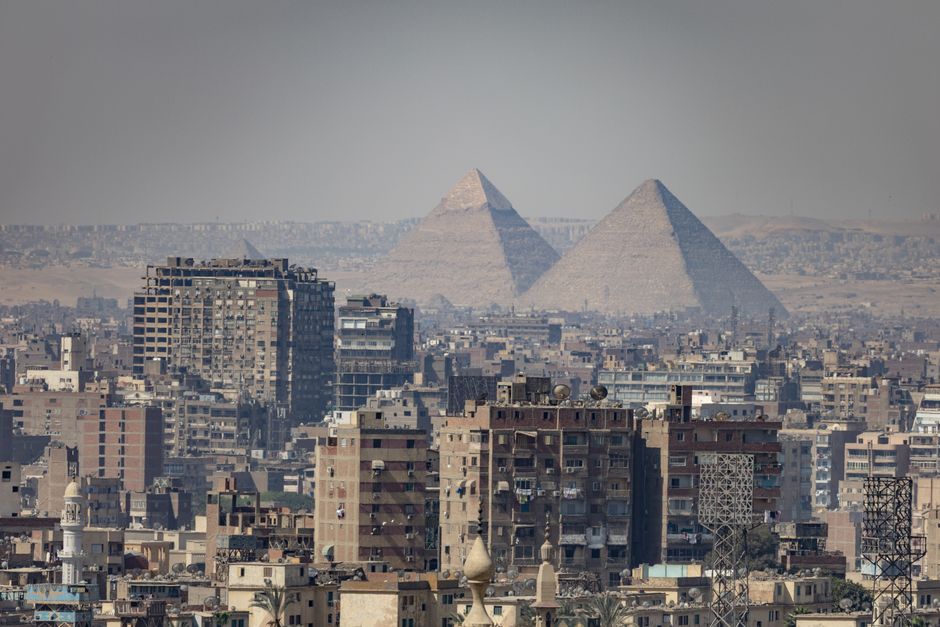
Cairo's commercial real estate market is experiencing a pivotal moment. As international tensions escalate—from Middle Eastern volatility to shifting trade dynamics—multinational corporations are reassessing their regional headquarters strategies, with direct consequences for office spaces across New Cairo, Downtown, and the emerging business districts.
The past 18 months have seen noticeable shifts in demand patterns. Premium office space in New Cairo's business parks, traditionally commanding rental rates between EGP 1,200 to 1,600 per square metre annually, is now seeing increased tenant inquiries, but with more cautious commitment periods. Several major financial services firms have begun consolidating multiple smaller offices into larger, more secure compounds—a defensive posture reflecting broader regional uncertainty.
"We're seeing multinational clients prioritise operational consolidation," explains the commercial leasing sector, where major developers are responding by offering more flexible lease terms and enhanced security infrastructure. Properties along the Nile Corniche and in Heliopolis—historically favoured by established firms—are attracting renewed interest as companies seek locations that balance accessibility with perceived stability.
The impact extends beyond rental rates. Capital investment in new commercial development has become more selective. Several planned office towers in the Fifth Settlement and near the New Administrative Capital have experienced funding delays as international investors adopt a wait-and-see approach. Developers are increasingly offering incentives—including extended rent-free periods and built-to-suit modifications—to secure long-term tenants.
Egypt's strategic position compounds these dynamics. As global supply chains realign and companies reassess Middle Eastern operations, Cairo's role as a logistics and services hub becomes either more valuable or more precarious, depending on investment confidence. Tech companies and call centres have shown resilience, while sectors tied to international trade and aviation services show more volatility.
For local businesses, the implications are mixed. Established firms with international backing face lower occupancy costs and more negotiating power than in previous years. Smaller Egyptian companies, however, report tighter availability of mid-range office space as larger tenants expand footprints and consolidate locations.
The commercial property market has historically proven resilient, but current global headwinds demand attention. Property managers across Cairo's key business nodes are adapting operational models, strengthening security protocols, and diversifying tenant bases to mitigate concentration risk. Whether these adjustments represent prudent adaptation or early warning signals will become clearer as international geopolitical dynamics continue evolving throughout 2026.
This article was compiled by AI and screened before publishing. See our editorial standards.
How does this story make you feel?
Spread the word
About this article
Published by The Daily Cairo
Daily brief
Free, in your inbox before 7am. Weekdays.
More in Business