Cairo's Small Business Boom: Reading the Economic Signals That Matter
As foreign investment trickles into Egypt's micro-enterprise sector, local entrepreneurs are learning to decode the indicators shaping their success.
As foreign investment trickles into Egypt's micro-enterprise sector, local entrepreneurs are learning to decode the indicators shaping their success.
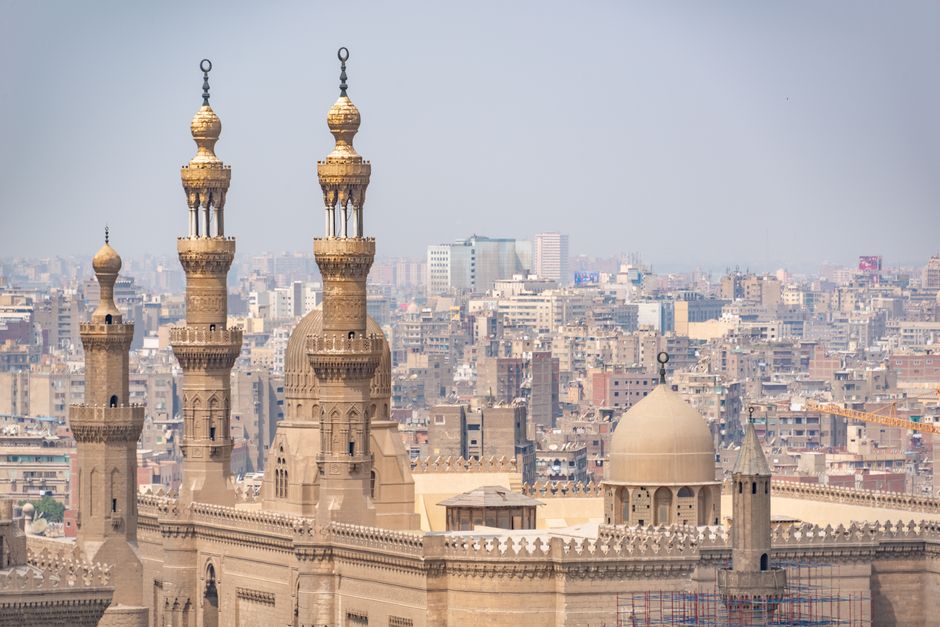
Walk through the bustling Khan el-Khalili bazaar any weekday morning, and you'll witness Cairo's quiet economic transformation. Among the textile stalls and spice vendors, a new generation of shop owners is watching interest rates, currency fluctuations, and credit availability with unprecedented intensity—tools once reserved for multinational corporations, now essential for survival in Egypt's fragile recovery.
The Central Bank of Egypt's recent decision to hold its overnight deposit rate at 27.25 percent has sent ripples through small business communities across Garden City, Zamalek, and the emerging startup hubs of New Cairo. Higher rates mean tighter liquidity for entrepreneurs seeking working capital. Yet paradoxically, foreign direct investment in Egypt's small and medium enterprise (SME) sector has climbed 18 percent year-on-year, according to the Egyptian Cabinet's Investment and Development Agency.
Consider the experience of Cairo's growing food technology sector. Entrepreneurs operating ghost kitchens in Districts 5 and 6 of New Cairo have watched the Egyptian pound weaken against the dollar—from 30.8 EGP per dollar in early 2025 to 34.2 today. Import-heavy businesses importing premium packaging or specialized equipment face tighter margins. Yet this same currency movement makes Egyptian-produced goods more competitive for export-focused enterprises, attracting cautious venture capital from the Gulf Cooperation Council.
The informal credit market remains where most Cairo entrepreneurs actually operate. Microfinance institutions like Misr El Khaleej for Banking and Finance have expanded lending to 89,000 small borrowers this year, offering loans averaging 45,000 EGP at rates between 18 and 22 percent—steep, but accessible. These figures reveal Cairo's economic reality: formal banking remains elusive for many, yet alternative funding channels are slowly maturing.
Real estate dynamics further illustrate investment flow patterns. Rental costs in commercial hotspots like Heliopolis have plateaued, while emerging neighborhoods near the New Administrative Capital's satellite zones show rising commercial activity. Retail space on Talaat Harb Street commands 800-1,200 EGP per square meter monthly—unchanged from 2024—suggesting cautious market confidence.
For entrepreneurs navigating this landscape, understanding economic indicators is no longer optional. Currency movements, interest rate decisions, and credit availability directly determine whether a family-run furniture workshop in Shubra can invest in new machinery or whether a boutique consulting firm in Maadi can hire additional staff. Cairo's small business sector isn't just responding to economic signals—it's increasingly fluent in reading them.
This article was compiled by AI and screened before publishing. See our editorial standards.
How does this story make you feel?
Spread the word
About this article
Published by The Daily Cairo
Daily brief
Free, in your inbox before 7am. Weekdays.
More in Business