Walk through the commercial corridors of Heliopolis or Fifth Settlement these days, and you'll sense a palpable tension among Cairo's business community. The market dynamics that defined 2025 have fractured, leaving company directors scrambling to reassess everything from supply-chain costs to customer purchasing power.
The Egyptian pound has experienced fresh pressure against major currencies over the past quarter, pushing import-heavy businesses—particularly those clustered around the Zamalek commercial district and Sheikh Zayed industrial zones—into margin compression. Retailers operating along the Corniche and in Downtown Cairo's commercial hubs report that wholesale costs have climbed 12-15% year-on-year for foreign-sourced inventory, a shock that's forcing difficult conversations about pricing strategy.
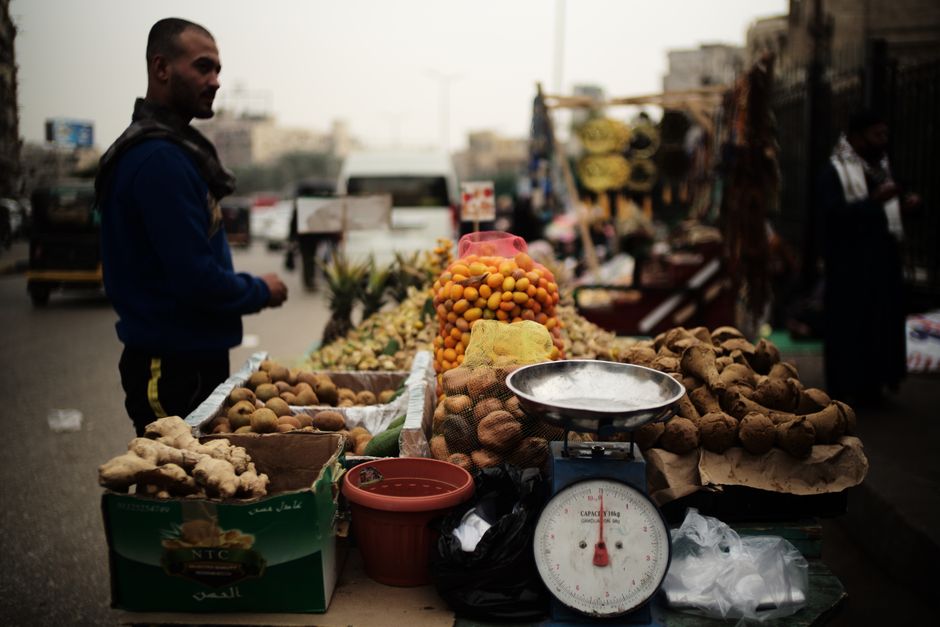
Consumer discretionary spending tells the real story. Market analysts tracking point-of-sale data across major shopping zones note that foot traffic in New Cairo's malls and Garden City's retail establishments has softened, even as essential goods categories hold steady. Middle-income households—the backbone of Cairo's service and retail economy—are tightening budgets, redirecting spending from lifestyle purchases toward staples. Restaurant operators in trendy neighbourhoods like Maadi report table turnover challenges, while fast-casual and budget-conscious dining concepts are gaining traction.
What does this mean for business strategists? Several immediate considerations emerge.
First, working capital management has become critical. Companies maintaining operations across multiple Cairo locations—from administrative offices in the CBD to warehouses near the Ring Road—are facing extended payment cycles and inventory carrying costs. Those with exposure to import financing or foreign currency liabilities need immediate hedging reviews.
Second, the shift in consumer behaviour is creating unexpected winners. Business-process outsourcing firms, digital services companies, and light manufacturing operations positioned to serve local demand rather than import-compete are weathering the transition better. The tech startup ecosystem in districts like New Administrative Capital is seeing sustained investor interest, suggesting capital is rotating toward productivity-enhancing rather than consumption-driven sectors.
Third, strategic pricing and product mix decisions cannot wait. Companies holding inventory decisions or lease renewals in key commercial zones should accelerate these choices while clarity exists around regulatory direction.
The broader message: Cairo's market is not collapsing, but it is rebalancing. Businesses that accurately read these trends—adjusting cost structures, focusing on operational efficiency, and recalibrating target customer segments—will emerge stronger. Those clinging to pre-2026 assumptions risk being left behind.
This article was compiled by AI and screened before publishing. See our editorial standards.