Cairo's retail and hospitality sector is experiencing unprecedented growth, and nowhere is this more visible than in the transformation rippling through the city's job market. New shopping malls in New Cairo and along the Ring Road have created thousands of positions, while the restaurant and café culture flourishing in neighbourhoods like Maadi, Heliopolis, and Downtown is hungry for qualified talent—forcing employers to compete aggressively for workers in ways that were unthinkable just three years ago.
The numbers tell a compelling story. Industry sources estimate that Cairo's organised retail sector grew by 12 per cent year-on-year through 2025, with hospitality employment rising even faster. Property developers report that major shopping centres—including the recently expanded facilities near the Cairo International Convention Centre—are now operating at near-capacity occupancy, driving demand for cashiers, store managers, customer service specialists, and kitchen staff across the city.
This expansion is fundamentally reshaping Cairo's labour dynamics. Entry-level retail positions, which paid around 2,500–3,500 Egyptian pounds monthly in 2023, now command 4,000–5,500 pounds as chains compete for reliable workers. Experienced hospitality managers, particularly those with English-language proficiency and international training, are seeing even steeper increases. Several major hotel groups and restaurant chains have begun offering in-house training programmes and offering benefits packages—health insurance, transport allowances, paid leave—that were previously rare in the sector.
Yet growth brings pressure. Business chambers and sector associations report that finding candidates with consistent soft skills remains challenging. Customer service expectations, particularly at upmarket venues along Nile Corniche and in Garden City's new dining district, are higher than ever. Many employers are now partnering with vocational training institutes across Greater Cairo to build talent pipelines, a shift that signals growing recognition that the sector's expansion cannot outpace workforce development.
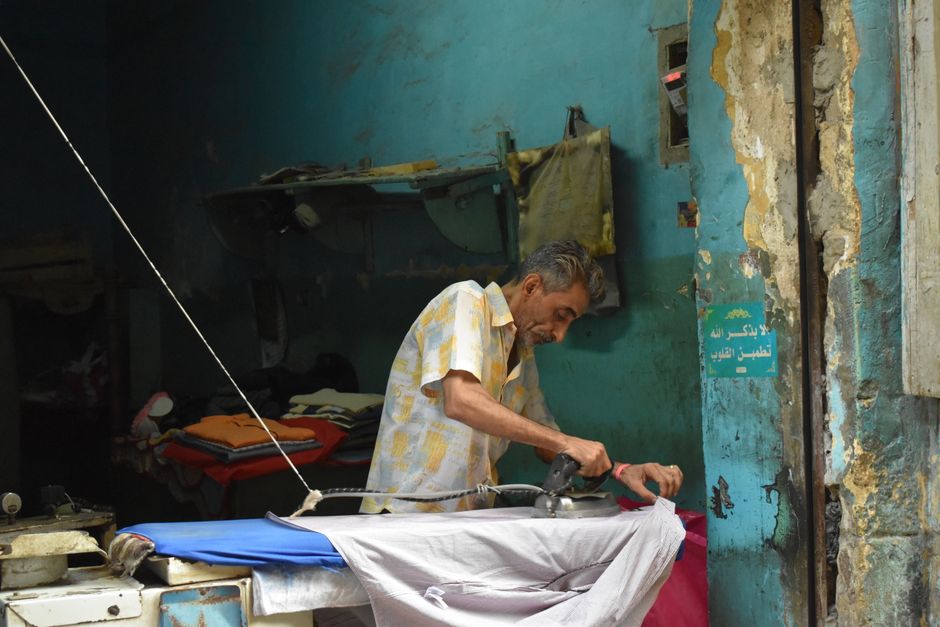
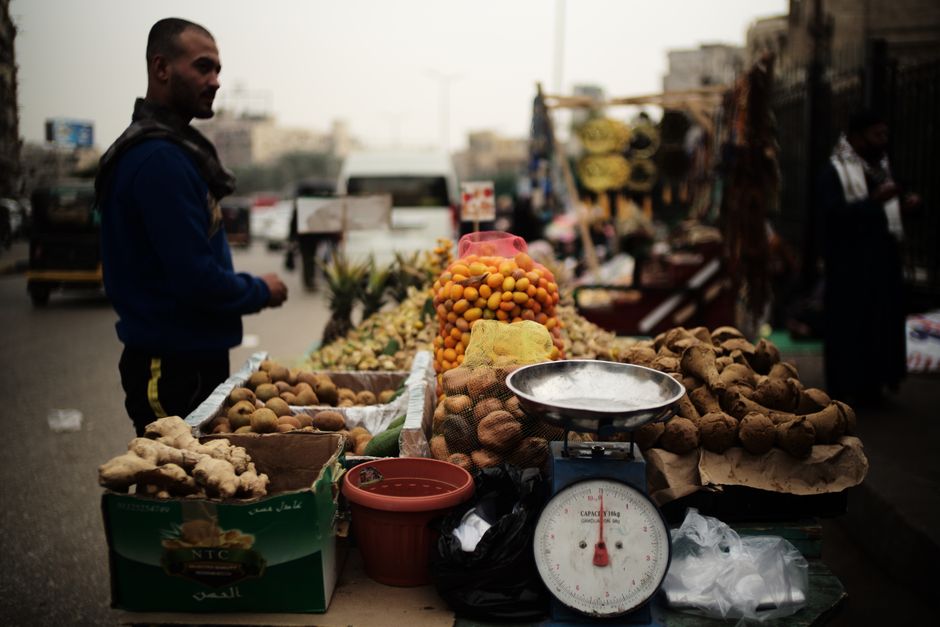
The ripple effects extend beyond wages. Retail property in high-traffic areas—from 6th of October City to Zamalek's emerging commercial strips—commands premium rental rates, squeezing margins for independent operators while benefiting large chains with deeper pockets. Meanwhile, neighbourhood shops in traditional quarters are experiencing both opportunities and pressures as foot traffic patterns shift toward organised retail.
For Cairo's broader economy, the story is mixed. Job creation is undeniably benefiting thousands of workers and their families, yet the concentration of growth within large corporate entities raises questions about long-term sector sustainability and equity. As the hospitality and retail boom continues through 2026, how effectively the city's education and training infrastructure adapts may well determine whether opportunity reaches beyond the capital's most privileged zones.
This article was compiled by AI and screened before publishing. See our editorial standards.