Cairo's employment landscape is undergoing a seismic shift. Walk through the gleaming office parks of New Cairo or the renovated business districts near Zamalek, and the transformation becomes unmistakable: digital transformation jobs that paid 8,000 to 12,000 EGP monthly two years ago now command 25,000 EGP or more for mid-level positions, reflecting fierce competition for talent.
The catalyst is clear. Regional venture capital funding has surged, with Cairo-based tech companies attracting over $180 million in investment during 2025 alone. Simultaneously, multinational corporations—from fintech firms to e-commerce giants—are expanding operations along the Sheikh Zayed corridor and scattered across 6th of October City. This dual pressure has created acute talent shortages in software development, data analytics, and digital marketing.
The beneficiaries tell a revealing story. Young professionals with even modest coding skills or cloud certification are fielding multiple offers. A 28-year-old UX designer working in a Heliopolis startup reported receiving three recruitment calls in a single week. Career switchers—particularly those completing intensive bootcamps in partnership with organisations operating near Tahrir Square—are landing entry-level tech roles within months, jumping from unemployment or retail work to salaries exceeding 15,000 EGP.
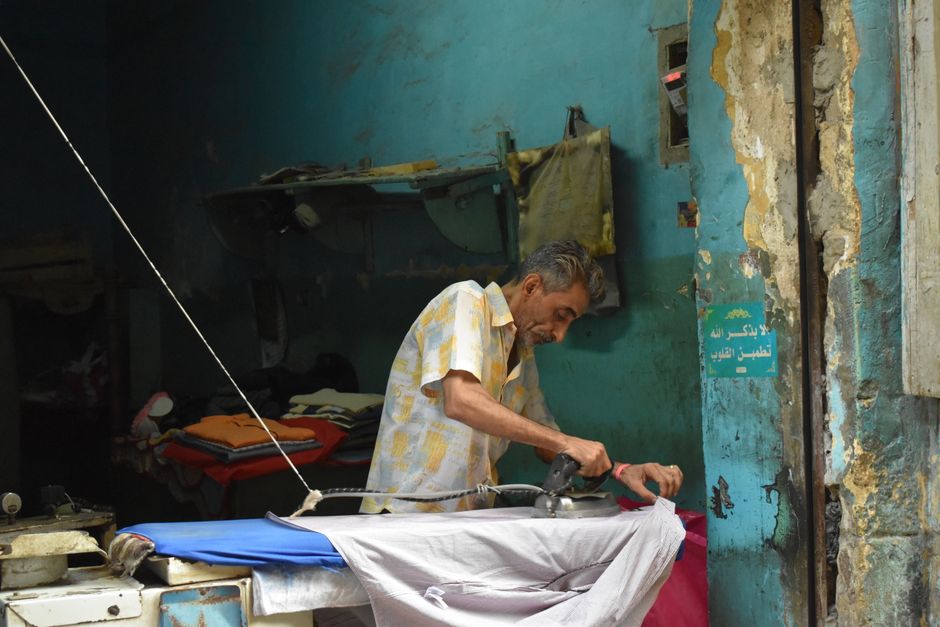
Yet opportunity remains unevenly distributed. Administrative and customer service roles, traditionally Cairo's employment backbone, continue facing downward wage pressure. Manufacturing and traditional retail sectors have shed positions as online commerce accelerates. Workers without digital credentials find themselves competing for stagnant positions offering 6,000 to 8,000 EGP monthly—barely above 2023 levels.
The government's investment in digital infrastructure—particularly initiatives supporting fintech in Downtown Cairo and the New Administrative Capital—has accelerated this transition. Banks and financial institutions clustered along Corniche El Nile and in Nasr City are actively recruiting compliance officers and risk analysts who understand both traditional finance and cryptocurrency regulation, creating an intermediate layer of well-paid opportunity.
Real estate has responded predictably. Rental prices for modern office space in Maadi and New Cairo have climbed 18-22 percent year-over-year as companies scramble for desirable addresses. Co-working spaces proliferating across Garden City and Giza have become informal recruitment hubs where startups poach talent and interview candidates over coffee.
The pattern is unmistakable: Cairo's economy is rewarding digital fluency while abandoning those without it. For the estimated 2.3 million job seekers in Greater Cairo, the emerging opportunity is real—but so is the widening skills gap that separates those capturing it from those left behind.
This article was compiled by AI and screened before publishing. See our editorial standards.