Reading Egypt's Economic Pulse: What Investment Flows ...
As foreign direct investment shifts globally, Cairo's business leaders are learning to decode the signals that shape everything from Zamalek office rents to Nasr City manufacturing expansion.
As foreign direct investment shifts globally, Cairo's business leaders are learning to decode the signals that shape everything from Zamalek office rents to Nasr City manufacturing expansion.
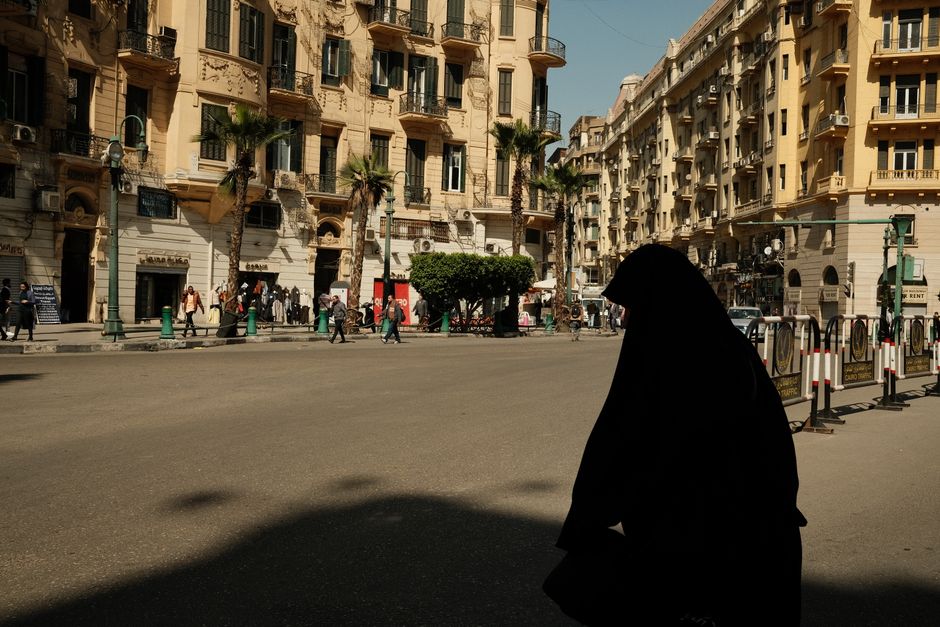
Walk into any coffee shop along the Corniche or grab a working lunch at one of the glass-fronted offices in New Cairo's business district, and you'll hear the same question: where is the money going? It's a question that cuts to the heart of Egypt's economic trajectory, and understanding the answer requires decoding three critical indicators that professional investors watch obsessively.
Foreign Direct Investment—the money that multinational corporations and international funds pump into Egypt annually—has become the barometer of confidence in our market. Last year, Egypt attracted approximately $9.2 billion in FDI, a meaningful figure that reflects everything from Suez Canal revenues to pharmaceutical manufacturing deals. But the trend matters more than the snapshot. When FDI flows rise, it signals that international capital sees opportunity; when they decline, it suggests caution. For Cairo's property developers, tech startups clustering around the Financial District, and manufacturers in the industrial zones beyond Helwan, this metric directly translates to job creation and infrastructure investment.
The second indicator—foreign exchange reserves—tells a different story. Egypt's reserves recently hovered near $36 billion, a critical cushion that affects currency stability and import capacity. Think of it as the country's financial immune system. When reserves are strong, the Egyptian pound remains stable, making it cheaper for businesses to buy foreign machinery or raw materials. When they weaken, costs rise, and inflation ripples through everything from construction projects in October City to food prices at neighbourhood markets across Giza.
Then there's the spread of international trade agreements. Egypt's participation in regional trade frameworks—from Mediterranean partnerships to African Union initiatives—determines which markets our textile manufacturers, agricultural exporters, and pharmaceutical companies can access duty-free. A single tariff reduction can transform the economics of an entire industry sector.
The business community in Cairo understands these connections intuitively. When the Central Bank announces quarterly data showing surging tourism receipts or remittances from Egyptians abroad, office leasing activity in Maadi and Heliopolis typically accelerates within weeks. When investment indicators soften, corporate expansion plans get shelved.
For entrepreneurs and investors, the lesson is clear: these aren't abstract statistics discussed by economists in academic seminars. They're the living signals of whether capital is flowing toward Egypt or away from it—and whether Cairo remains competitive on the global stage.
This article was compiled by AI and screened before publishing. See our editorial standards.
How does this story make you feel?
Spread the word
About this article
Published by The Daily Cairo
Daily brief
Free, in your inbox before 7am. Weekdays.
More in Business