What Every Cairo Resident Needs to Know About Rising Investment Flows and Your Cost of Living
As foreign capital pours into Egypt's economy, everyday Cairenes are feeling the squeeze—here's how to navigate the shifting financial landscape.
As foreign capital pours into Egypt's economy, everyday Cairenes are feeling the squeeze—here's how to navigate the shifting financial landscape.
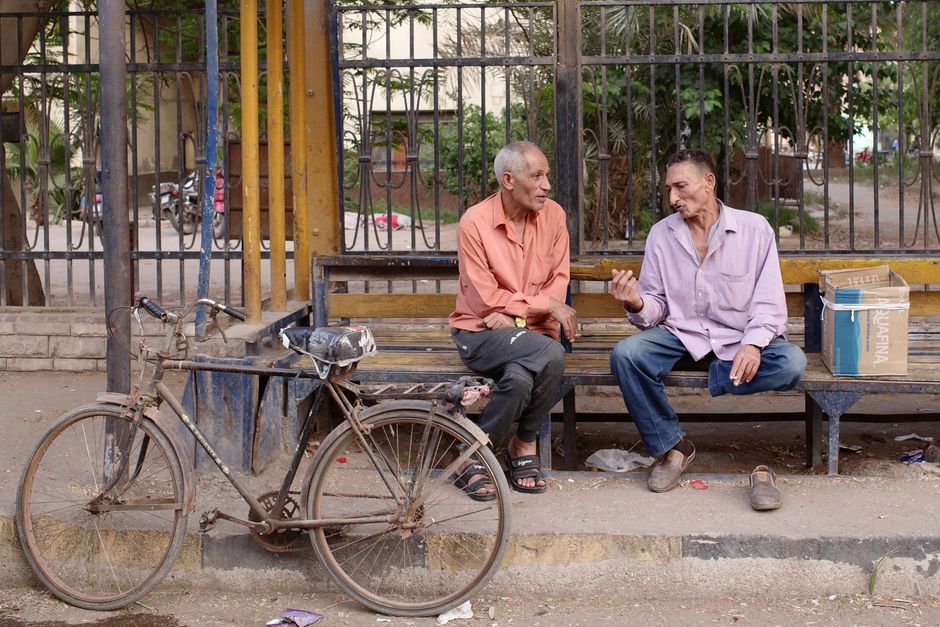
Cairo's economy is experiencing a significant influx of foreign investment, with major projects reshaping the city from New Cairo to the New Administrative Capital. Yet for residents navigating daily life in neighborhoods like Zamalek, Garden City, and Heliopolis, the headline growth figures tell only half the story.
The reality is more complex. While international investors—particularly from Gulf states and Asia—have committed billions to infrastructure and real estate ventures, ordinary Cairenes are contending with a cost-of-living environment that has shifted dramatically over the past 18 months. Rental prices in central Cairo have risen 25-30 percent since 2024, according to local property consultants. A modest two-bedroom apartment in Dokki that rented for 3,000 EGP monthly two years ago now commands 4,000-4,500 EGP. Meanwhile, grocery prices at neighborhood markets along Talaat Harb Street and at larger chains like Carrefour have climbed steadily.
What's driving this disconnect? Investment capital flowing into Egypt has fueled construction booms and speculative property markets, but hasn't proportionally increased wages for middle-class workers. For the average Cairene earning a government salary or working in established private firms, purchasing power has effectively declined. Young professionals seeking first homes in accessible neighborhoods face bidding wars against investment portfolios and wealthy speculators.
The Central Bank's monetary policy decisions—designed partly to attract foreign capital—have also influenced inflation. Interest rate adjustments meant to stabilize currency reserves have ripple effects on loan rates for mortgages and consumer credit. Someone considering a car purchase through traditional financing or a home renovation loan will encounter significantly higher costs than five years ago.
For everyday residents, the practical takeaway is straightforward: understand where your money is actually going. Diversify personal savings across multiple currencies if feasible, particularly given currency volatility. Scrutinize long-term rental contracts carefully before signing—landlords increasingly factor in anticipated appreciation. For those with discretionary income, investment in modest real estate outside central Cairo's inflated zones may still offer value, though this requires serious due diligence.
Cairo's transformation into a magnet for global capital is reshaping the city's economic reality. Residents who understand these underlying currents—distinguishing between headline investment stories and personal financial health—will navigate this period far more effectively than those who don't. The city's growth and your household budget are increasingly intertwined.
This article was compiled by AI and screened before publishing. See our editorial standards.
How does this story make you feel?
Spread the word
About this article
Published by The Daily Cairo
Daily brief
Free, in your inbox before 7am. Weekdays.
More in Business