Cairo's Small Business Owners Face Perfect Storm of Headwinds in 2026
Rising energy costs, currency pressures, and shifting consumer behaviour are testing the resilience of entrepreneurs across the city's bustling commercial hubs.
Rising energy costs, currency pressures, and shifting consumer behaviour are testing the resilience of entrepreneurs across the city's bustling commercial hubs.
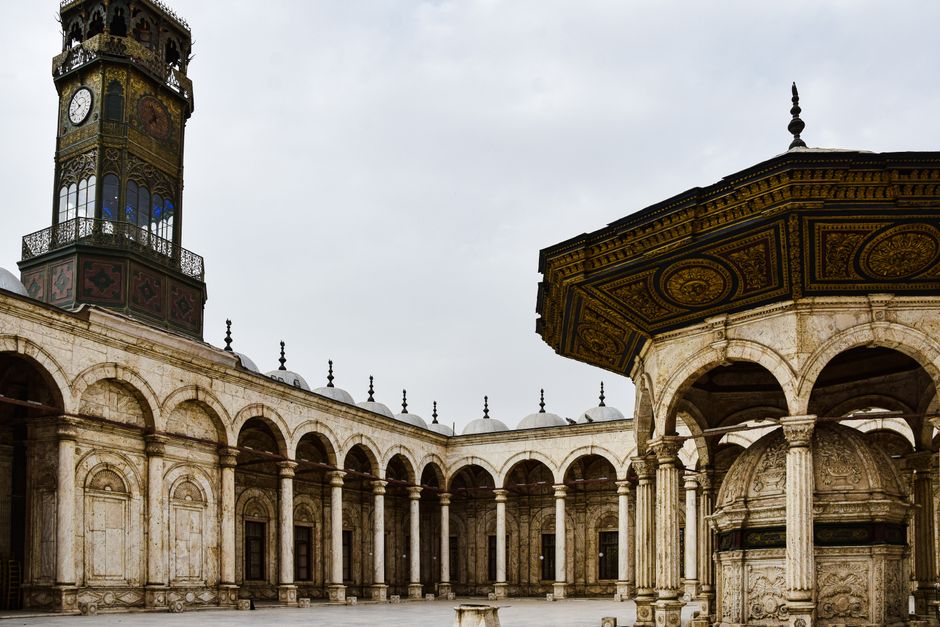
Walk through the narrow lanes of Khan el-Khalili or past the independent shops lining Talaat Harb Street, and you'll encounter the backbone of Cairo's economy—small business owners battling an increasingly difficult operating environment. As we enter the second half of 2026, many entrepreneurs are grappling with a combination of challenges that have fundamentally altered the landscape they've worked in for years.
Energy costs remain the most pressing headwind. A mid-sized café owner in Zamalek reports that his monthly electricity bill has surged by 35 per cent compared to the same period last year, forcing difficult choices about operating hours and pricing. "We're caught between keeping the lights on and keeping customers coming through the door," one business owner explained, requesting anonymity given the sensitivity around pricing discussions. For manufacturers and workshops clustered in the industrial zones near Helwan, the pressure is even more acute.
Currency volatility has compounded these pressures. The Egyptian pound's fluctuations have made importing stock unpredictable for retailers, particularly those stocking goods from abroad. Fashion boutiques in the 6th of October City development and electronics retailers near Ramses Station report that sourcing costs have become a game of guesswork. Several small importers have simply exited the market rather than absorb the margin squeeze.
Consumer spending patterns have shifted noticeably. Research from the Cairo Chamber of Commerce suggests that discretionary spending among middle-income households—traditionally the sweet spot for small retailers and restaurants—has contracted by roughly 12 per cent year-on-year. Establishments in tourist-dependent areas around Islamic Cairo have felt the impact particularly sharply, with foot traffic down and average transaction values compressed.
Digital competition presents another layer of difficulty. While e-commerce platforms have democratised market access, they've also intensified price competition. Small grocers competing against online giants, or independent bookshops facing discounting pressure, increasingly describe operating margins as unsustainable.
Yet entrepreneurs show characteristic resilience. Many are optimising supply chains, collaborating through informal networks, and pivoting toward niche markets where scale matters less than specialisation. Craft-focused businesses in the Coptic Cairo district and specialty food producers have found loyal customer bases willing to pay for authenticity and quality. A handful of business associations are exploring collective purchasing agreements to negotiate better terms with suppliers.
The picture remains mixed. While larger enterprises can weather these storms through diversification and scale, small business owners—the lifeblood of Cairo's neighbourhoods and local economies—are operating on narrower margins than ever before.
This article was compiled by AI and screened before publishing. See our editorial standards.
How does this story make you feel?
Spread the word
About this article
Published by The Daily Cairo
Daily brief
Free, in your inbox before 7am. Weekdays.
More in Business