Nile Narratives: How One Cairo Guide Is Reshaping the City's Tourism Economy
As visitor numbers to Egypt's capital rebound, a homegrown entrepreneur is proving that authentic, locally-led experiences outperform mass-market tourism packages.
As visitor numbers to Egypt's capital rebound, a homegrown entrepreneur is proving that authentic, locally-led experiences outperform mass-market tourism packages.
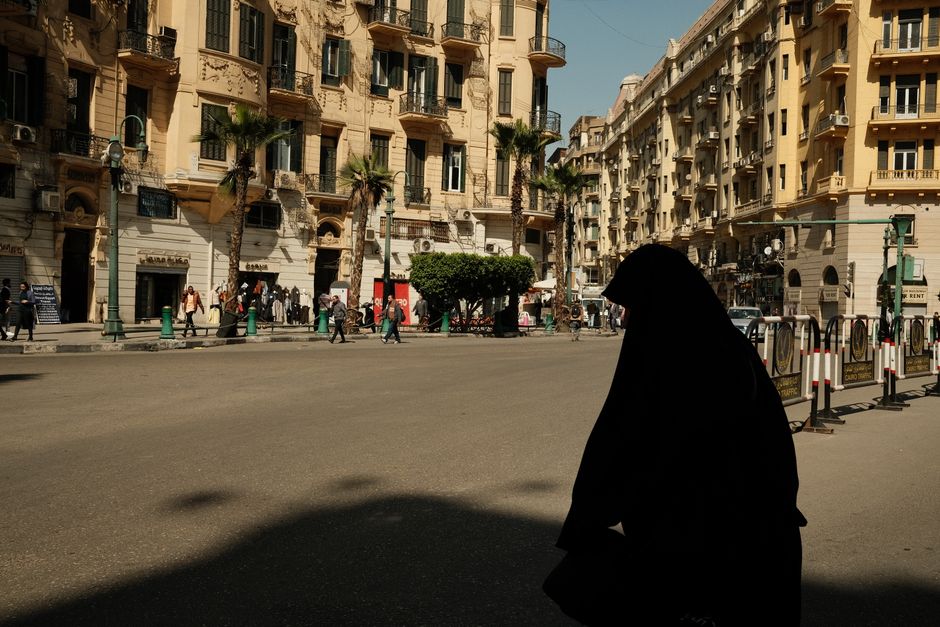
The tourism sector across Egypt is staging a cautious comeback. Official figures show Cairo welcomed 2.3 million international visitors in 2025, a 34 percent increase from 2024, with projections suggesting the upward trend will continue through 2026. Yet behind these headline numbers lies a more nuanced story—one being written by independent operators who are ditching traditional tour bus circuits in favour of neighbourhood-focused, high-margin experiences.
One standout example is emerging from the heart of Islamic Cairo. A locally-owned venture launched in 2023 now operates curated walking tours, artisan workshops, and intimate dining experiences across Al-Muizz Street and the surrounding Khan el-Khalili district. The business model pivots sharply from the volume-driven approach of larger operators. Rather than ferrying groups of 40 through the Egyptian Museum on Tahrir Street, this entrepreneur orchestrates small groups of 6-8 visitors, partnering with neighbourhood craftspeople, spice merchants, and heritage conservationists.
The economics are compelling. Average daily rates per visitor clock in at 450-550 Egyptian pounds—nearly triple the per-head revenue of conventional package tours—with margins running at 55-62 percent after operational costs. The operator employs 12 local guides, most of them university-educated residents of Islamic Cairo who speak multiple languages and possess deep knowledge of their own districts.
What makes this model resilient is its alignment with evolving traveller preferences. Post-pandemic visitor surveys consistently highlight desire for authentic engagement, small-group formats, and direct economic benefit to host communities. Cairo's tourism authority has taken note. The Greater Cairo Chamber of Commerce estimates that locally-owned tourism enterprises now account for roughly 18 percent of visitor spending, up from 9 percent in 2021.
The operation's success has not gone unnoticed. Several similar ventures have launched in Zamalek and around the Al-Azhar Mosque precincts. Yet challenges persist. Regulatory compliance, insurance costs, and competition from established hotel concierge networks remain formidable barriers to growth. Currency fluctuations also introduce volatility—the Egyptian pound's movement against major currencies directly impacts booking patterns among price-sensitive European and Asian visitors.
Still, the trajectory is instructive for Cairo's wider business community. As international travel rebounds and visitor expectations evolve, the entrepreneurs capturing outsized returns are those embedding themselves within neighbourhoods, building direct relationships with suppliers, and offering experiences that cannot be replicated by standardised operations.
For Cairo's visitor economy, that shift signals maturation—and significant opportunity for the right operators.
This article was compiled by AI and screened before publishing. See our editorial standards.
How does this story make you feel?
Spread the word
About this article
Published by The Daily Cairo
Daily brief
Free, in your inbox before 7am. Weekdays.
More in Business