Cairo's Office Market Faces Perfect Storm of Rising Costs and Tenant Flight
Landlords and developers grapple with currency pressures, operational expenses, and a structural shift in how multinational firms approach workspace in Egypt's capital.
Landlords and developers grapple with currency pressures, operational expenses, and a structural shift in how multinational firms approach workspace in Egypt's capital.
Cairo's commercial property sector is confronting a confluence of headwinds that have fundamentally altered the calculus for developers and investors who had grown accustomed to steady returns. After nearly two decades of robust growth centred on new business districts, the market is now wrestling with currency depreciation, climbing operational costs, and a seismic shift in tenant demand patterns that shows little sign of reversal.
The pressures are most acute in premium office markets. Grade-A space in New Cairo, particularly along corridors such as 90th Street and the Business Park zone, has seen rental yields compress sharply. While prime square-metre rates held around 1,200–1,400 Egyptian pounds annually in early 2025, landlords now report mounting vacancy rates—some developments posting occupancy below 75 per cent, a figure unthinkable five years ago.
The core problem is structural. The Egyptian pound's ongoing weakness against hard currencies has made dollar-denominated lease agreements increasingly painful for local subsidiaries of multinational corporations. Simultaneously, operational costs have spiralled. Property management, utilities, security, and maintenance now consume a larger share of rental income, while the cost of constructing new office space has become prohibitively expensive for all but the largest developers.
"We're seeing genuine flight to quality, but quality alone isn't enough anymore," explains one property consultant familiar with transactions across Downtown Cairo, Garden City, and the newer Maadi commercial clusters. Companies are either consolidating footprints, negotiating harder on multi-year agreements, or—increasingly—shifting to shared workspace models and hybrid arrangements that require far less traditional office inventory.
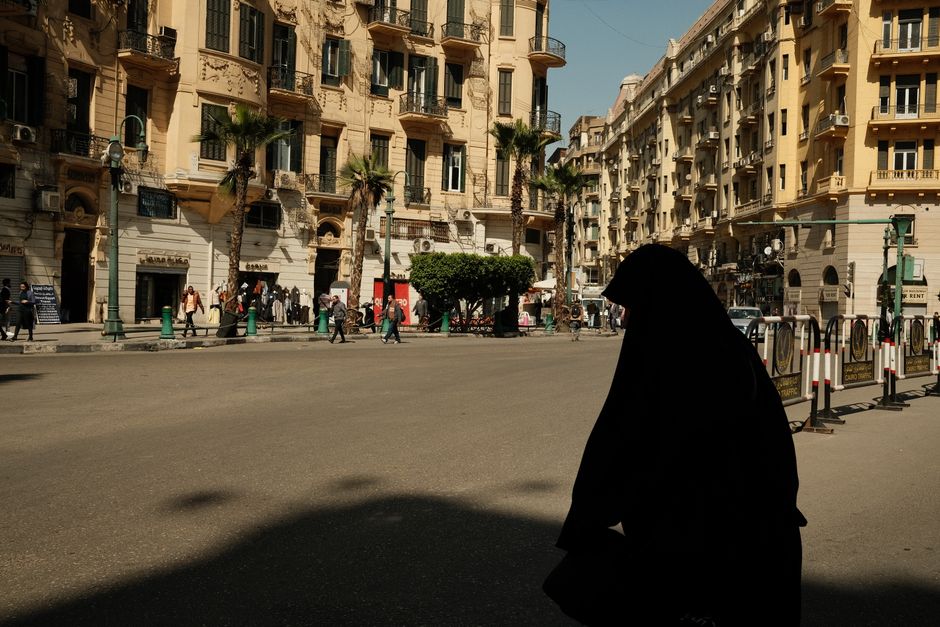
The impact is uneven. Older office stock in central Cairo neighbourhoods faces pressure from ageing infrastructure and inability to meet modern tenant expectations around technology, sustainability, and flexibility. Newer developments in the New Administrative Capital are capturing some demand, but that project's draw remains limited relative to Cairo's established business hubs.
Financing challenges compound matters. Rising central bank rates and tighter credit conditions mean developers struggle to fund speculative office development, while existing property owners face refinancing pressure on loans taken out when the economic environment looked markedly different.
That said, pockets of resilience exist. Firms in fintech, business process outsourcing, and media continue to expand in Cairo, providing some tenant demand. Landlords adapting their offerings—converting rigid office layouts into modular, multipurpose spaces, or pivoting toward mixed-use developments that blend retail, hospitality, and offices—report marginally better outcomes.
Yet for 2026 and beyond, the Cairo office market faces a period of painful recalibration. Recovery will likely depend on currency stabilisation, renewal of corporate confidence, and—critically—landlords' willingness to reset price expectations to match economic reality.
This article was compiled by AI and screened before publishing. See our editorial standards.
How does this story make you feel?
Spread the word
About this article
Published by The Daily Cairo
Daily brief
Free, in your inbox before 7am. Weekdays.
More in Business