Cairo's Job Market Faces Perfect Storm of Headwinds in 2026
Inflation pressures, sectoral uncertainty, and skill mismatches are creating a challenging employment landscape for jobseekers across Egypt's capital.
Inflation pressures, sectoral uncertainty, and skill mismatches are creating a challenging employment landscape for jobseekers across Egypt's capital.
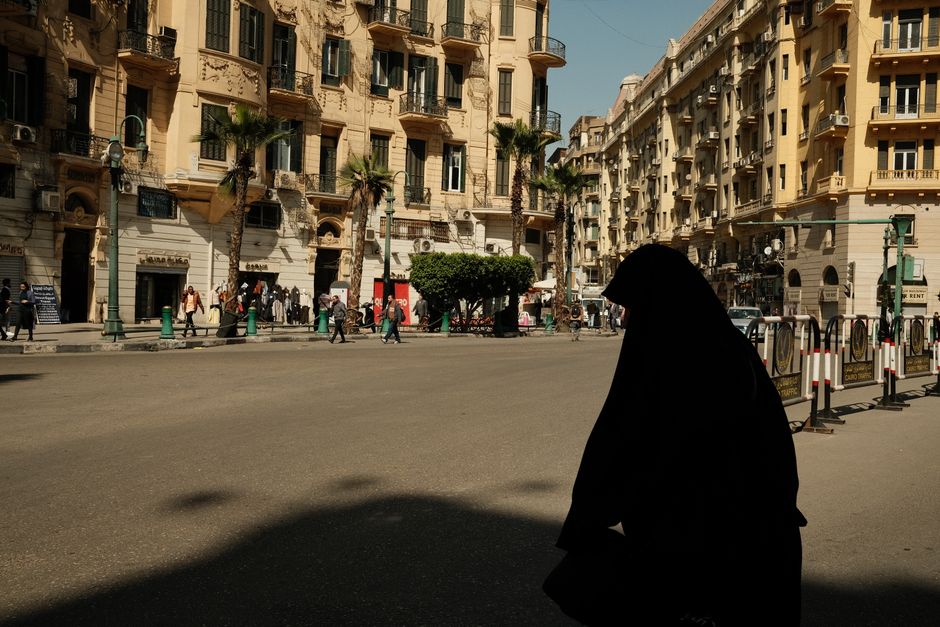
Cairo's employment landscape is hitting turbulence. While the sprawling metropolis remains Africa's largest labour market by sheer volume, professionals and employers alike are grappling with mounting pressures that show no signs of easing before year's end.
The most visible challenge stems from persistent inflation. Despite central bank interventions, the cost of living in central Cairo neighbourhoods—from Zamalek to Downtown—has surged by an estimated 18-22% year-on-year. This squeeze is pushing employers to moderate wage increases, even as job applicants demand higher starting salaries just to maintain living standards. A junior accountant seeking positions near the financial hub of New Cairo now expects 15,000-18,000 EGP monthly, up significantly from 2024 rates, yet employers remain reluctant to match these expectations.
Sectoral instability compounds the problem. Tourism, traditionally a cornerstone of Cairo's employment base, remains volatile following geopolitical uncertainties. Hotels along the Nile Corniche and across Giza have implemented hiring freezes or reduced hours. The manufacturing sector, concentrated in industrial zones like Nasr City and 10th of Ramadan, faces energy cost unpredictability that makes workforce expansion risky for businesses already operating on tighter margins.
Skills mismatches are widening. According to recent labour market surveys, Cairo's workforce increasingly lacks digital competency demanded by growing fintech and e-commerce companies clustered in Sheikh Zayed and New Cairo. Tech recruitment agencies report 40% of applicants for mid-level roles fail basic software proficiency assessments. Simultaneously, demand for traditional manufacturing and construction roles remains soft.
Youth unemployment presents another headwind. Cairo's population under 30 constitutes roughly 35% of the workforce, yet youth joblessness hovers near 25%. University graduates flooding into the market annually find themselves competing for positions that increasingly require internship experience or specialised certifications—luxuries many cannot afford.
The public sector hiring slowdown adds pressure. Government recruitment has slowed significantly, traditionally a major employment avenue for Cairo's educated middle class. Private-sector growth hasn't compensated, particularly outside technology and finance sectors.
Labour market observers note that organisations like the Egyptian Human Resources Association and recruitment platforms operating from office parks in Heliopolis are reporting candidate wait times extending beyond 60 days for mid-level positions—a reversal from the rapid hiring cycles of recent years.
For jobseekers navigating Cairo's streets from the Egyptian Stock Exchange to business parks in Maadi, patience and adaptability have become essential survival tools.
This article was compiled by AI and screened before publishing. See our editorial standards.
How does this story make you feel?
Spread the word
About this article
Published by The Daily Cairo
Daily brief
Free, in your inbox before 7am. Weekdays.
More in Business